

Pitch Pipe roundup
Pitch Pipe: A Complete Buyer's Guide
The right pitch pipe for most musicians is a mid-range chromatic disc model from a named brand. This guide walks through format, reed quality and price tiers so you can make the right call first time.
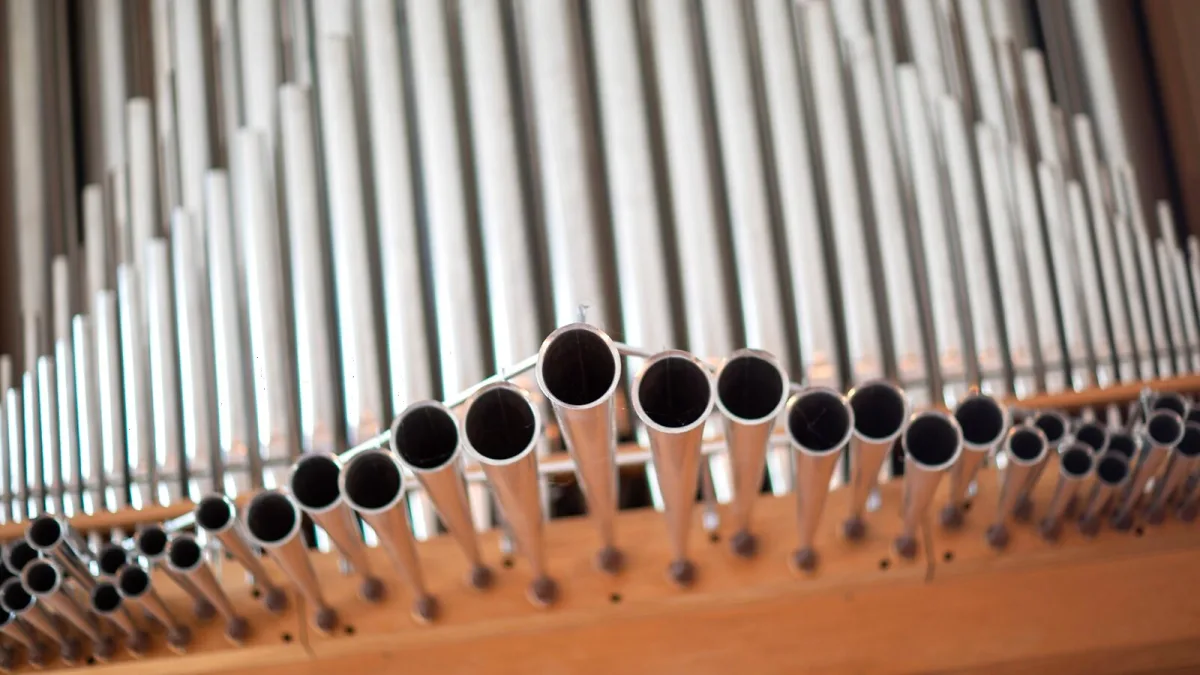
Choosing the right pitch pipe is more straightforward than most gear decisions, but there are enough differences between types and quality tiers to make a considered choice worthwhile. This guide covers the key decision points and recommends specific models for common use cases.
Chromatic, Guitar or Diatonic?
The first question is format. A chromatic model gives you access to all twelve semitones in a compact disc — the most flexible choice for players who may need to reference any note. A guitar-specific model gives you the six standard tuning notes and nothing else, which is all most guitarists require and costs less. A diatonic model covers the seven natural notes of an octave and is the traditional tool for choral directors. If in doubt, buy a chromatic pitch pipe: it covers all scenarios.
Reed Quality
Reed quality determines both accuracy and longevity. Cheap reeds go sharp or flat over time, especially in cold or humid conditions. Mid-range models from established brands — Wittner, Hohner and Kyser are the most widely distributed — use metal reeds that maintain pitch reliably over years of normal use. The difference in price between budget and mid-range is small, rarely more than a few pounds, and the difference in reliability is noticeable.
Build and Size
Chromatic disc models are consistently compact — most are around 6–7 cm in diameter and weigh next to nothing. Guitar tuning pipes tend to be slightly longer but still pocket-sized. Build quality mostly affects the selector mechanism: a well-made disc rotates smoothly and clicks into position cleanly. Cheap selectors stick or drift between notes, which makes accurate selection slower in performance.
Recommended Models
| Model | Type | Notes |
|---|---|---|
| Wittner 836 Chromatic | Chromatic disc | Reliable reeds, smooth selector, widely trusted in choral use |
| Hohner M91002 | Guitar tuning | Compact, accurate for standard EADGBE tuning |
| Wittner Choral | Diatonic | Projecting tone, preferred by many choral directors |
| Kyser KPG7N | Guitar tuning | Popular entry-level model, consistent intonation |
Price Guide
Budget chromatic models start around £3–5 and are adequate for occasional use where slight reed drift is acceptable. Mid-range models from Wittner or Hohner sit in the £8–15 range and represent the sensible buy for regular use. Specialist choral diatonic models can reach £20–30, justified only if you specifically require the diatonic format and projecting tone. A pitch pipe is not an expensive investment — even the best commonly available models cost less than most accessories.
What to Avoid
Avoid unbranded chromatic discs from budget market sites unless you can verify reed accuracy independently. These often ship already out of tune, and a reference tool that sounds the wrong pitch is worse than useless. Stick to named brands with consistent quality control, and check whether the model you're considering uses metal or plastic reeds — plastic reeds are generally less stable across temperature changes.






Comments