


Nylon String Guitar Strings roundup
The Best Nylon String Guitar Strings for the Money
There's no single "best" set of nylon strings — only the right one for what your guitar and your hands actually need. Here's how to shop by category.
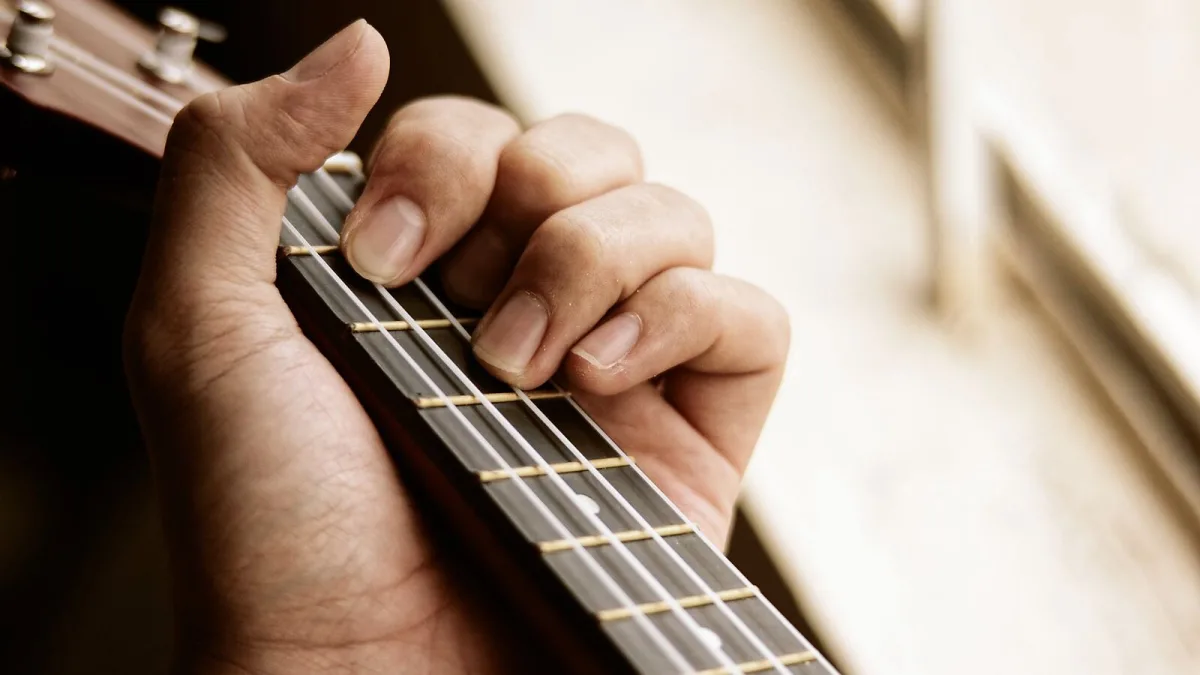
I'm not going to pretend I've strung up forty guitars back to back and timed the sustain with a stopwatch — nobody honest has, and be wary of anyone who claims otherwise. What I can do is group nylon strings by what they're actually built to do, so you're comparing like with like instead of guessing from a photo of the packet. Here's how I'd spend the money, by category rather than by hype.
How I'm Grouping These
Rather than crown a single "best" set — which depends entirely on your guitar and your hands — it makes more sense to sort by what a player is actually chasing: warmth, brightness, budget, flamenco response or gentle tension. Pick the category that matches what you want, then shop within it.
Best for Traditional Warmth
If you want the classic, rounded classical-guitar voice, stick with clear nylon trebles rather than fluorocarbon. D'Addario's Pro-Arté line and Savarez's New Cristal and Alliance ranges are the standard reference points here — smooth under the fingers, forgiving of technique, and voiced for warmth over projection. Augustine's long-running classical sets sit in the same camp. None of these will surprise you, and that's rather the point.
Best for Projection and Brightness
Fluorocarbon — sold as "carbon" strings, though it's really a dense polymer called PVDF rather than actual carbon fibre — is the category to shop if your guitar sounds a little muted and you want more cut. D'Addario's Pro-Arté Carbon and Savarez's Corum and Cantiga carbon sets are well regarded here, as are Knobloch's carbon-treble sets at the premium end. Expect a firmer feel and a brighter, more immediate attack. If you're not sure whether this trade-off suits your instrument, our explainer on how nylon strings are built covers the material differences in more depth.
Best Budget-Friendly Sets
You don't need premium carbon trebles to get a genuinely good-sounding set. Mid-tier offerings from D'Addario, Hannabach and La Bella deliver solid, reliable tone at a fraction of the price of the flagship ranges, and they're a sensible place to start if you're not yet sure how often you'll be changing strings. Buying a mid-tier set more often tends to beat stretching for a premium set you leave on too long.
Best for Flamenco Playing
Flamenco calls for a faster, more percussive response than a typical classical set, usually paired with lower action. Hannabach and La Bella both offer dedicated flamenco sets built around that quicker attack rather than maximum sustain. If you're coming from classical playing and curious about the difference, it's worth reading how the two styles diverge before you buy — a flamenco set on a guitar set up for classical technique can feel like the wrong tool for the job.
Best for Sensitive Hands or a New Player
Low-tension sets from any of the major makers are the right call if fretting is genuinely uncomfortable, or if you're still building calluses. Comfort here beats chasing volume — a set that hurts to play gets played less, which is worse for your progress than a slightly quieter tone. If you're buying your very first set, our beginner's guide walks through the whole decision without the jargon.
At a Glance
| You want | Look at |
|---|---|
| Warm, traditional tone | D'Addario Pro-Arté, Savarez Alliance/New Cristal, Augustine |
| Bright projection | D'Addario Pro-Arté Carbon, Savarez Corum/Cantiga, Knobloch |
| Value for money | Mid-tier D'Addario, Hannabach, La Bella |
| Flamenco response | Hannabach and La Bella flamenco sets |
| Easy on the hands | Any major brand's low-tension option |
Do Pricier Sets Actually Last Longer?
Carbon and fluorocarbon sets are often marketed on reduced stretching and longer-lasting brightness compared with standard nylon strings, and there's some truth in it — the denser material does tend to settle faster and resist dulling a little longer. That said, treat these as general tendencies rather than guarantees. How long any set lasts depends just as much on how often you play, how much your hands perspire, and how you store the guitar. A cheaper set wiped down after every session will often outlast an expensive set that's neglected.
What I'd Actually Buy
If I only had one guitar and one shot at a set, I'd start with a normal-tension clear nylon set from an established maker, live with it for a few weeks, then decide whether I actually want more brightness or whether the warmth suits the guitar fine as it is. Chasing the "best" set before you know what your own guitar needs is how people end up with a drawer full of half-used packets. For the full buying logic behind tension and bridge type, our buyer's guide is worth reading before you order, and once the new set is on, our fitting guide will get it settled in properly.



Comments