


Guitar Polish guide
How to Set Up and Use Guitar Polish
Applying polish to your guitar's finish correctly takes only a few minutes — this guide covers the preparation, application and buffing technique to get it right.

Applying guitar polish correctly takes only a few minutes and the technique is simple once you know what to avoid. The most common errors come from using too much product, using the wrong cloth or rushing the buffing stage. This guide walks through the process step by step.
Preparation
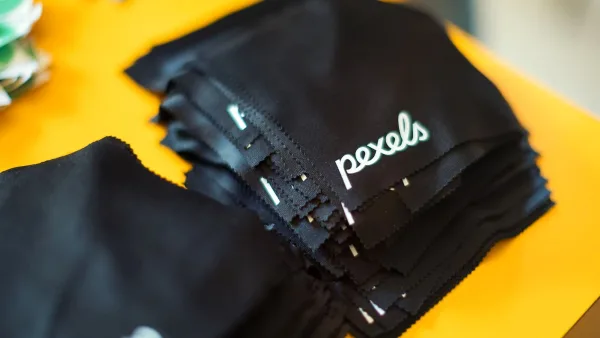
Remove the guitar from its case and place it on a stable surface with the body facing up. Wipe the body down first with a dry, clean microfibre cloth to remove loose dust and surface debris. You want to polish a surface that is free from grit, which can cause micro-scratching when worked into the finish with a cloth. Check the label of your chosen product and confirm it is compatible with your finish — nitrocellulose lacquer requires a nitro-safe product; polyurethane finishes tolerate most guitar-care formulations.
Applying the Product
Dispense a small amount of guitar polish — roughly the size of a ten-pence coin — onto a clean microfibre cloth, not directly onto the guitar body. Apply with light pressure using small circular or straight passes, working one section of the body at a time. For standard guitar polish, the product should go on clearly and begin to haze slightly as it starts to set. Do not apply it to unfinished wood (fingerboard, nut), pickups, control knobs or the nut — keep it on the body finish only.
Buffing Off
Before the product has fully dried, buff off the residue with a second clean cloth or a fresh section of the original cloth. Use light, straight passes rather than circular motion at the buffing stage, which can create fine swirl marks on darker finishes. Work the cloth in one direction for a cleaner result. Check for any residue around the binding, pickup cavities or control routes and remove it with a cotton bud before it hardens.
Frequency
For a regularly played guitar, a light clean and polish after each session keeps the surface in good condition and prevents oils from building up. A more thorough treatment every few weeks is sufficient for instruments that are played several times a week. See our overview article for full background and our buyer's guide for product selection.




Comments