


Guitar Polish article
Common Guitar Polish Mistakes to Avoid
The most consequential polish mistake is using a product incompatible with the finish — these are the errors players make most often and what to do instead.

Guitar polish mistakes range from minor oversights — using too much product, buffing too late — to serious errors that can permanently affect the finish. These are the ones that come up most often and what to do instead.
Using a Product Incompatible with the Finish
This is the most consequential mistake. Nitrocellulose finishes are common on vintage and higher-end guitars, and they react with solvents that polyurethane finishes tolerate easily. Using an all-purpose cleaner or a product not specifically labelled as nitro-safe on a nitro-finished guitar can cause hazing, crazing or a permanently damaged surface. Always read the label and confirm that the product is safe for your finish type before applying anything. If in doubt, contact the manufacturer or a qualified luthier.
Applying Guitar Polish to Unfinished Wood
Polish belongs on the lacquered body — not on the fingerboard, inside nut slots, on bridge saddles or anywhere else where the wood is unfinished. Polish residue in a nut slot can cause binding and tuning problems. On an unfinished rosewood or ebony fingerboard, it clogs the wood grain and prevents it from accepting conditioning oil. Use a dedicated fingerboard conditioner, applied only to the fingerboard wood, separately from your polish routine.
Using the Wrong Cloth
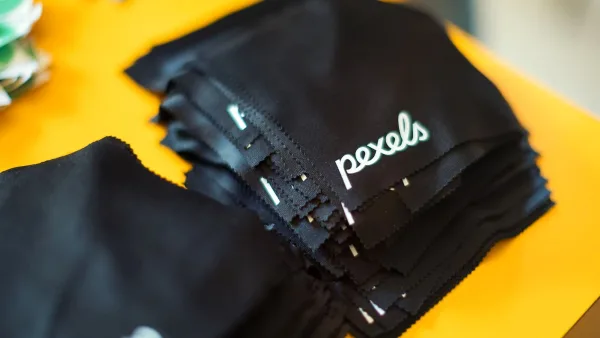
Paper towels, coarse fabric and old clothing can leave micro-scratches on glossy finishes. Even a scratch too small to see individually can accumulate into a pattern of fine swirl marks visible under light on dark-coloured guitars. Use clean microfibre cloths only. Keep them free from grit by storing them in a sealed bag between uses and washing them without fabric softener, which can leave residue that affects the cloth's cleaning properties.
Letting Residue Set
Leaving any guitar polish residue to dry fully before buffing makes it much harder to remove and can leave a hazy patch on the finish. Apply the product to a small section, buff it off before moving to the next section. Do not apply it to the entire body at once. The correct sequence is: apply, wait a moment for the product to work, then buff off while it is still slightly workable.
See our complete guide and our application guide for proper technique.





Comments