

USB Mixer article
Usb Mixer Explained: Features, Types and Tips
A USB mixer combines a mixing console with a built-in audio interface — this explains how the format works, what the key specifications mean, and which applications it suits best.
A USB mixer is a mixing console with a built-in audio interface, so it can send and receive audio from a computer over a single USB cable without requiring a separate interface unit. That makes it a practical centrepiece for home recording, podcasting, live streaming and small venue PA work — you get the channel routing and level control of a proper mixer without the complexity of running a discrete interface alongside it.
The format spans from compact two-channel desktop units to sixteen-channel boards with full EQ, aux sends and onboard effects. What they share is the USB audio path, which the computer recognises as an audio device automatically on most operating systems — no specialist drivers needed for basic use.
Key Features to Understand
Channel count is the first specification. A typical compact USB mixer offers four to twelve channels, with combinations of XLR microphone inputs (balanced, with phantom power for condenser mics), TRS line inputs and instrument inputs. The channel count tells you how many sources you can connect and mix simultaneously — important if you're recording a multi-piece band or running a live set with multiple inputs.
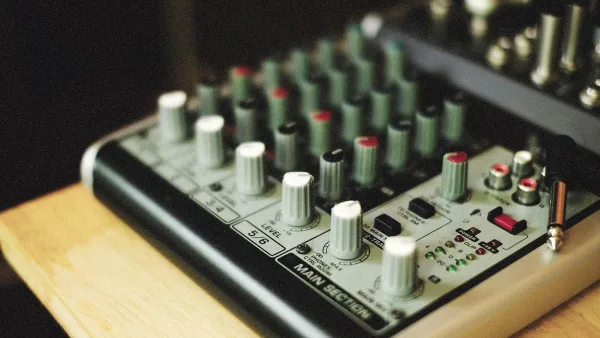
Each channel on a quality USB mixer includes a gain control, a three-band EQ (high, mid, low shelving), an aux send for monitor mixes or effects routing, and a channel fader. Phantom power — 48V supplied through the XLR — is usually switchable per group of channels rather than individually, which matters when mixing dynamic and condenser mics on the same board.
The USB send/return path is typically stereo: the mixer sends its main stereo mix to the computer on two channels, and the computer can play back audio into the mixer's return channels for monitoring or playback. More sophisticated units offer multi-track recording over USB, where each channel appears as a separate track in the DAW — more useful for post-production but also more demanding on the recording software setup.
Common Applications
- Podcasting and voice recording — a USB mixer handles the microphone preamplification, level control and monitoring that a podcast setup needs, with the USB output feeding directly into recording software.
- Live streaming — OBS and similar streaming tools treat the USB mixer as an audio input device, allowing real-time level management of music, microphones and other sources in a stream.
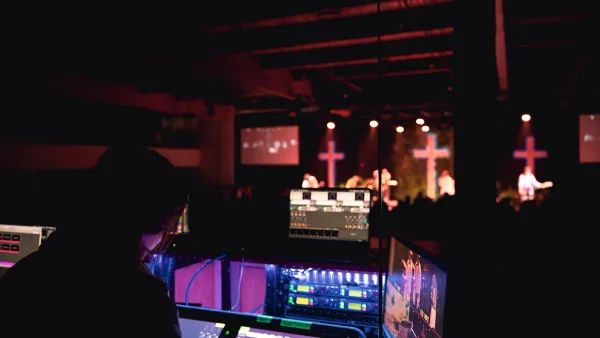
- Small venue PA — at smaller venues or rehearsal rooms, a USB mixer doubles as the front-of-house desk and the recording interface simultaneously, a useful combination for acts that record their shows.
- Home studio tracking — for multi-microphone recording (drum overhead capture, room mics alongside close mics), a mixer with multi-track USB output offers an affordable entry point before upgrading to a dedicated audio interface with more preamps.
What to Look For
Preamp quality determines how cleanly the mixer amplifies microphone signals. The Behringer Xenyx preamps used in the budget range are workable for spoken word; the Yamaha D-PRE circuits found in the MG series are cleaner and handle the dynamic range of live instruments more faithfully. If the primary use is music recording, spending more on preamp quality is worthwhile. For voice-only applications (podcasting, spoken-word streaming), the Xenyx-class preamps are entirely adequate. Our buyer's guide covers the decision in full. For model-specific recommendations, the best USB mixer picks by use case give a shortlist by budget.




Comments