


Rcf Audio Speakers roundup
Rcf Audio Speakers: A Complete Buyer's Guide
The practical checklist for buying RCF speakers: woofer size, why peak wattage isn't the whole story, coverage, and what to check before you pay.
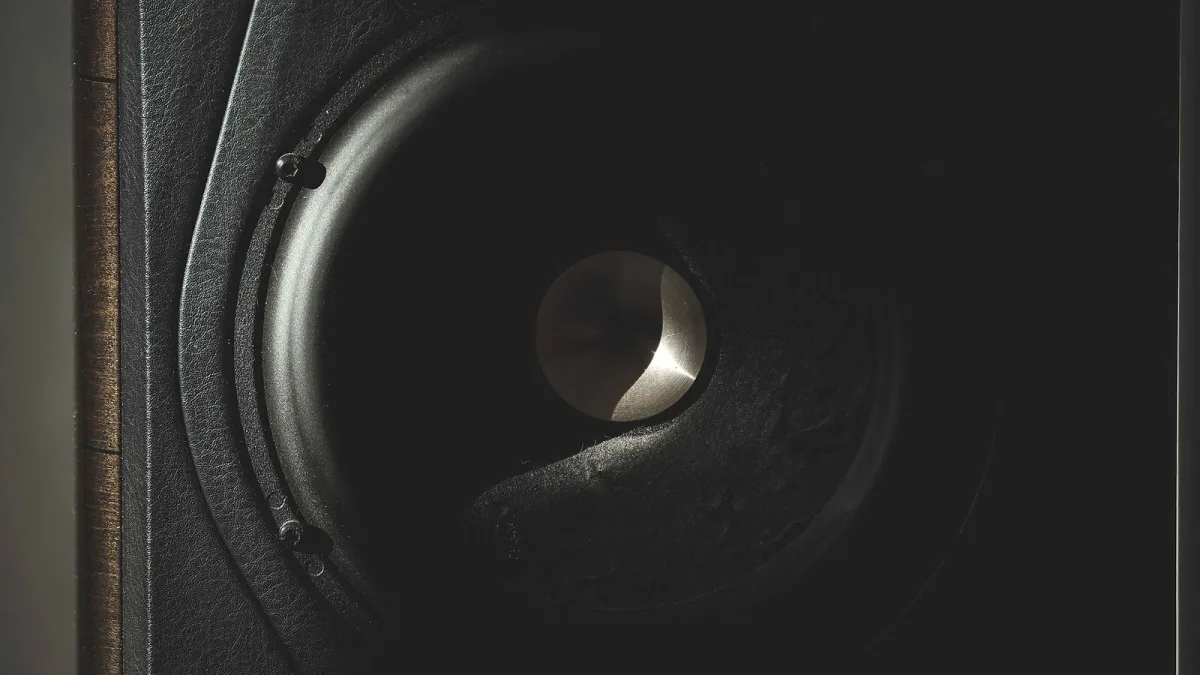
Right, let's be practical about this. Buying RCF speakers isn't hard once you know what actually matters versus what's just a spec sheet number. Here's the checklist I'd actually run through with a friend before they spend anything on RCF speakers.
Start With the Job, Not the Model Name
ART for general portable reinforcement, EVOX for fast, wide-coverage column-array setups, NX for higher-performance point-source work, HDL if you're building toward line-array coverage, TT+ for serious touring and theatre work. Pick the family based on what you're actually doing this weekend, not which one sounds most impressive.
Woofer Size: The First Real Decision
| Size | Suits |
|---|---|
| 10-inch | Speech, smaller acoustic sets, compact monitors, weight-conscious setups |
| 12-inch | Vocal-and-instrument reinforcement, DJs in small-to-medium spaces, general portable mains |
| 15-inch | Full-range DJ playback, larger rooms, running without a dedicated subwoofer |
A 15-inch top isn't automatically a substitute for a proper subwoofer — a separate sub gives you more low-frequency headroom and a cleaner crossover point, even alongside a bigger top.
Don't Trust the Wattage Number Alone
RCF, like most manufacturers, tends to headline peak power — the ART 932-A's 2,100-watt figure is peak, split across low and high frequencies, not a continuous RMS or acoustic-output number. Peak tells you about short-term amplifier headroom. It doesn't tell you how loud the speaker will actually sound in your room, which depends on gain structure, placement, crossover settings and how much you're asking of the low end.
Coverage Matters as Much as Output
Check the horizontal and vertical dispersion figures, not just maximum SPL. Wide horizontal coverage reduces how many speakers you need side to side in a small venue; narrower coverage can push more energy further back in a longer room. Vertical coverage should match your audience depth and speaker height — aim for the crowd, not the back wall or the ceiling.
Checklist Before You Buy
- Active or passive — matches your setup, not just your budget.
- Maximum SPL and how it's measured — ask what conditions the figure was tested under.
- DSP features — crossover, limiting, phase alignment, and whether FiRPHASE or RDNet compatibility matters for your rig.
- Connectivity — XLR, jack, Bluetooth for casual playback versus proper wired inputs for a real show.
- Weight and rigging options — pole mount, fly points, handles, and whether you'll actually be carrying this alone.
- Subwoofer compatibility — check crossover and cardioid options if you're building a system rather than buying one box.
Warranty and Service
Ask about local service and replacement parts availability before you buy, particularly for grilles and drivers, which take the most physical abuse over a speaker's working life. A great spec sheet doesn't help much if a damaged unit sits in a queue for weeks waiting on parts.
New, Used or Ex-Demo
Second-hand RCF speakers are a genuinely reasonable option if you can check them properly — power up every unit, run a sweep or familiar track through each one, and listen for rattles, distortion or uneven output between a matched pair. Ex-demo units from a dealer often carry some warranty and have had a lighter working life than gear that's been on the road for years, so they're worth asking about specifically.
Bottom Line
Buy RCF speakers for the job, check woofer size against your actual venues, and treat peak wattage as one data point among several rather than the whole story. For the full family breakdown, see our complete guide, and our round-up of the best options for the money narrows it down by use case. First PA purchase? Our beginner's guide is the place to start, and check our list of common mistakes to avoid before you check out.




Comments