


Bookshelf Speakers article
Bookshelf Speakers for Beginners: A Complete Guide
Getting started with bookshelf speakers doesn't require expertise or a huge budget. This guide walks you through choosing your first pair and building a straightforward system you'll love.
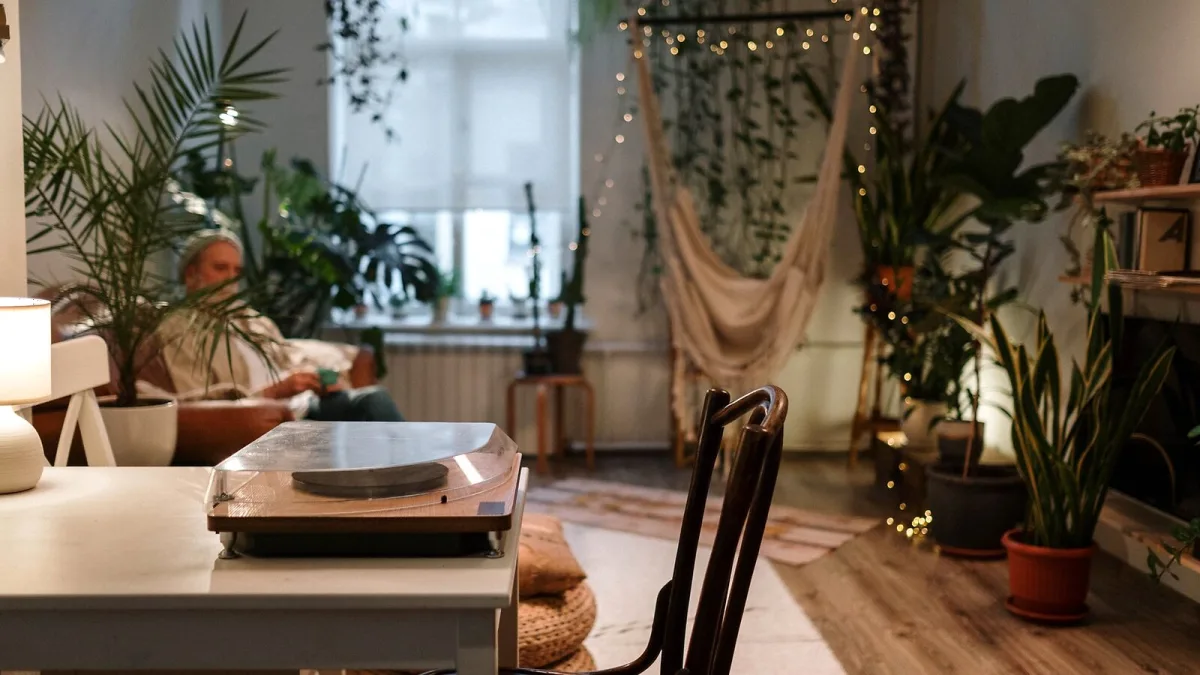
Getting into bookshelf speakers for the first time can feel daunting—there's jargon, endless model names and strong opinions everywhere. But starting with compact loudspeakers is genuinely straightforward, especially if you forget the hype and focus on what actually matters for your listening space and budget. This guide is for someone nervous about making the wrong choice, wanting reassurance that good sound doesn't require expertise or deep pockets.
Why Start with Compact Speakers?
Bookshelf speakers are perfect for beginners because they're forgiving. They don't demand a perfectly treated room, they sit well in apartments and bedrooms, and they cost less than larger alternatives. A decent pair will reveal far more detail in your music than most people expect—vinyl, streaming, anything really. And if you later want to upgrade your amplifier or add a subwoofer, these models work beautifully as part of a larger system.
The term "bookshelf" is a bit misleading, so don't panic if they won't fit on your actual shelves. Many are sold with stands included or at low cost separately. You'll position them at ear height, angle them slightly inward, and suddenly the sound becomes vivid and immediate. That magic moment—when the soundstage clicks into place—is the whole reason people fall in love with stereo.
Powered or Passive? The Beginner-Friendly Choice
Here's where most newcomers get confused. Bookshelf speakers come in two flavours: powered (with built-in amplification) and passive (needing a separate amplifier). For someone just starting out, powered models are genuinely simpler. You plug them into the wall, connect your turntable or streamer via Bluetooth or a cable, and you're listening. No extra gear, no amplifier decisions to make.
Passive bookshelf speakers require an external amplifier or receiver, which adds complexity and cost. That said, if you already own an amplifier you like, passive models offer upgrade flexibility. For your first time? Powered is easier. Look for ones with Bluetooth plus either USB (if you'll use a computer or phone) or optical input (if you're connecting a television).
Budget-Friendly Models Worth Considering
The ELAC Debut 3.0 B5.3 is a passive option frequently recommended for beginners—affordable and genuinely honest-sounding. The Edifier M90 is a powered choice that's earned praise from major reviewers for punching above its price. Neither requires you to spend hundreds; you can find genuinely musical sound for £300–500. The Fyne Audio Cubitt 5 represents a budget-conscious powered option. These aren't cheap knockoffs; they're products designed with care and reviewed positively by people who know the difference.
A Simple Setup: Three Things You Need
If you're buying powered bookshelf speakers, you need three things: the speakers themselves, speaker stands or a stable surface at ear height, and a source (turntable, streamer, television). That's genuinely it. If you're buying passive ones, add an amplifier or integrated receiver—pick something with a good reputation and basic inputs. Don't chase specs. Just buy something sensible from a reputable brand, read a few reviews, and get to the fun bit.
Cable, Stands and Room Placement
Beginner-friendly stands are inexpensive and transform what you hear. Stands position your speakers at ear height, isolate them from vibration, and let you angle them properly. Most online retailers sell speaker stands under £100 a pair. As for cables: quality speaker cable helps, but it's not magic. Don't agonise over it. Once the stands are right and the speakers are positioned symmetrically around your listening spot, you'll hear the real difference.
Room placement beats expensive equipment every time. Position your bookshelf speakers symmetrically, form an imaginary triangle between them and your listening chair, keep them away from walls if possible, and experiment. Moving them 30 centimetres can change the bass character completely. It's free and genuinely fascinating—you'll learn more about your room and listening preferences in an afternoon than reading articles.
Powered Bookshelf Speakers for Vinyl: The Easy Path
Playing vinyl is the reason many people first explore dedicated audio. Powered models with built-in phono inputs (like some Edifier and Audioengine designs) let you connect a turntable directly, no extra preamp needed. It's the simplest possible vinyl setup. Passive bookshelf speakers require a preamp and amplifier, which complicates things for someone just starting.
If you're spinning records and want to keep things simple, seek out powered models specifically mentioning phono input. Plug in the turntable, set up your stylus correctly, and you're ready. The learning curve ends there.
Honest Limitations You'll Encounter
Small bookshelf speakers don't shake your windows. They're not going to fill a 50-square-metre space with overwhelming bass. If you want room-filling volume or seismic bass, you'll eventually add a subwoofer or upgrade to larger speakers. That's not a flaw; it's just physics. But in a bedroom, home office or living room under 30 square metres, compact models deliver genuinely satisfying sound.
Compact speakers are also more sensitive to placement and amplifier quality than larger designs. A poor-quality amplifier will sound thin and harsh through them; good amplification matters. But that's actually helpful for beginners—it trains your ear to notice the difference quality makes.
Taking the First Step
Pick a model that fits your budget and source devices (turntable, streaming, TV). Read a few independent reviews. Check what current reviewers say about the sound character—warm, neutral, punchy—and pick something that appeals. Order the speakers, grab some stands, invest an hour in thoughtful placement, and then stop thinking about gear and start listening to music. That's when you'll understand why bookshelf speakers remain beloved decades after they were invented.
Your first pair of speakers—even humble ones—will teach you more about music than you expect. Every album sounds different through them. That's the magic that brings people back to speakers again and again.




Comments