


Amplifier roundup
Amplifier: A Complete Buyer's Guide
The amplifier that suits you starts with your speakers, not a spec sheet — here's the sensible order to make the decision in.
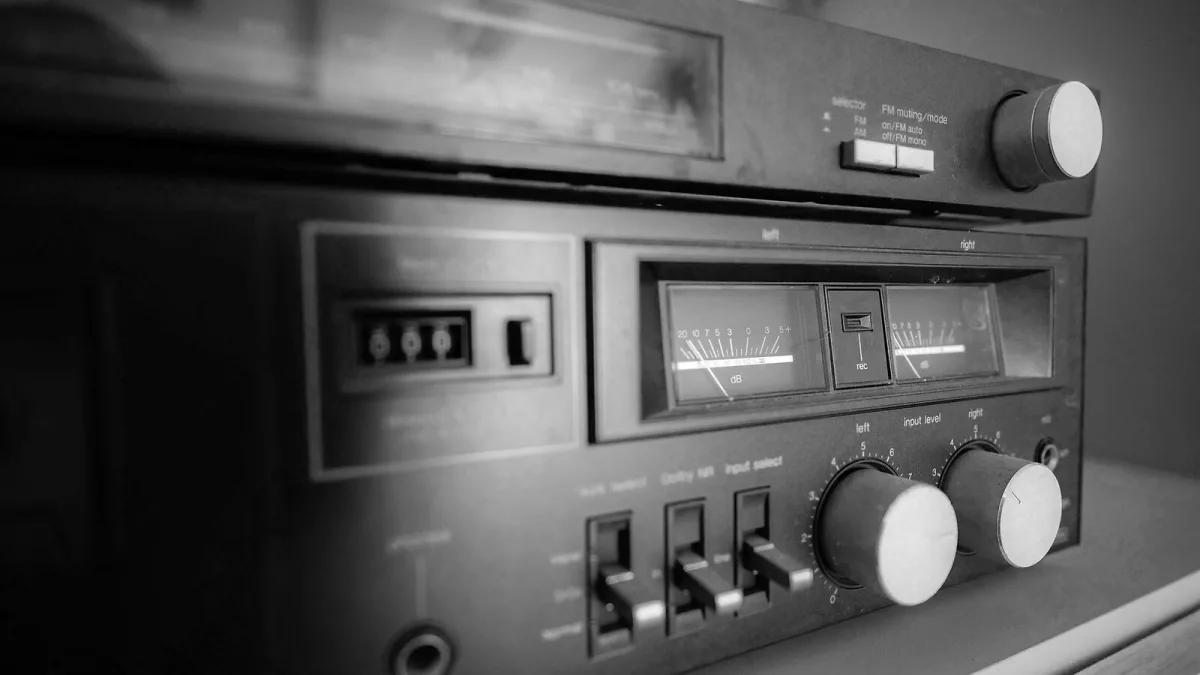
The first amplifier I ever bought was a battered second-hand integrated model from a shop that smelled of dust and old vinyl sleeves, and I chose it entirely on the fact that the volume knob felt satisfying to turn. It worked out fine, mostly by luck. You don't need luck — you need a few honest questions answered first, and I'll walk you through exactly the ones that matter.
Start With Your Speakers, Not the Amplifier
This is the bit people skip, and it's the one that actually decides everything else. Your speakers have a rated impedance, usually 4, 6 or 8 ohms, and a sensitivity rating that tells you how efficiently they turn power into volume. An amplifier has to be matched to both of those, not chosen in isolation because a spec sheet looked impressive in a shop window. If you already own speakers, start there. If you're buying both together, buy the speakers first and let them guide that choice.
Integrated, or Separates?
For most people building their first proper system, an integrated amplifier — preamp and power amp combined in one box — is genuinely the sensible choice. Fewer boxes, fewer cables, one less thing to go wrong, and one fewer decision to agonise over. Separates, where a preamp and power amp live in different units, tend to appeal once you already know exactly what you want from each stage, or you're chasing a specific sound by mixing components. There's no shame in staying with an integrated setup for years; plenty of serious listeners do.
Solid-State, Valve or Hybrid
I'm not going to pretend one is simply "better," because it genuinely isn't that straightforward. Solid-state amplifiers are the practical everyday choice: reliable, cooler-running, low-maintenance. Valve amplifiers ask more of you — they run hot, the tubes eventually need replacing, and they cost more to buy and keep — but a lot of people fall properly in love with the character they add. Hybrid designs try to split the difference. Be honest with yourself about how much you actually care about that particular flavour of warmth versus how much you just want something that works reliably every evening.
Watts Are Not the Whole Story
It's tempting to treat wattage like a horsepower figure and just buy the biggest number your budget allows. Don't. How loud a system actually gets in your room depends on your speakers' sensitivity and your room's size and acoustics every bit as much as the amplifier's power output. A smaller unit paired thoughtfully with efficient speakers can comfortably beat a bigger one paired carelessly. Ask about continuous (RMS) power rather than peak figures, since the two aren't interchangeable and marketing material doesn't always make the difference obvious.
Think About How You'll Actually Use It
| Your situation | What to prioritise |
|---|---|
| Small room, modest volume | Efficient speaker pairing over sheer power |
| Vinyl at the centre of your listening | A phono stage, either built in or as a separate unit |
| Streaming and digital sources | Digital inputs and network-audio support |
| Headphone listening most evenings | A genuinely capable headphone output, not an afterthought |
| Multiple rooms or zones | Multiple speaker outputs or a receiver-style unit |
Questions Worth Asking Before You Pay
- What's the continuous power rating into my speakers' actual impedance, not just a generic figure?
- Does it have the inputs I need right now — phono, digital, streaming — not just the ones I might want someday?
- Can I actually listen to it, even briefly, before committing to a bigger purchase?
- What's the return policy if it doesn't suit my speakers or room once it's home?
A Quick Word on Cables and Setup
Don't let a shop talk you into an expensive cable upgrade before you've even settled on the right unit for your room. Decent, correctly rated speaker cable matters more than an exotic brand name, and it's worth checking that your intended cable run isn't going to leave you stretching a lead across a doorway. Give it a little space to breathe, too — especially if you've gone the valve route, since heat management genuinely affects long-term reliability, not just comfort.
Buying Used Without the Stress
A second-hand unit can be excellent value, provided you ask sensible questions: has it ever been serviced, does it hum or crackle at low volume, and does the seller know why they're letting it go. None of these are dealbreakers on their own, but a seller who can answer them confidently is usually one worth buying from.
Don't Buy in a Vacuum
It's worth reading the full explainer on how an amplifier actually works before you shop, so terms like impedance and Class D aren't just jargon on a box. And if budget is genuinely the deciding factor, the best amplifiers for the money breaks value down tier by tier rather than just chasing a spec sheet.
The Bottom Line
Buy your speakers' compatibility first, your actual listening habits second, and a big wattage number a distant third. Get those priorities in the right order and the amplifier that suits you becomes a much easier, much less nerve-wracking decision.




Comments