


Yamaha Electric Guitar article
Yamaha Electric Guitar for Beginners: A Complete Guide
No jargon, no overwhelm — just a friendly walk through choosing and starting out on your first Yamaha electric guitar.
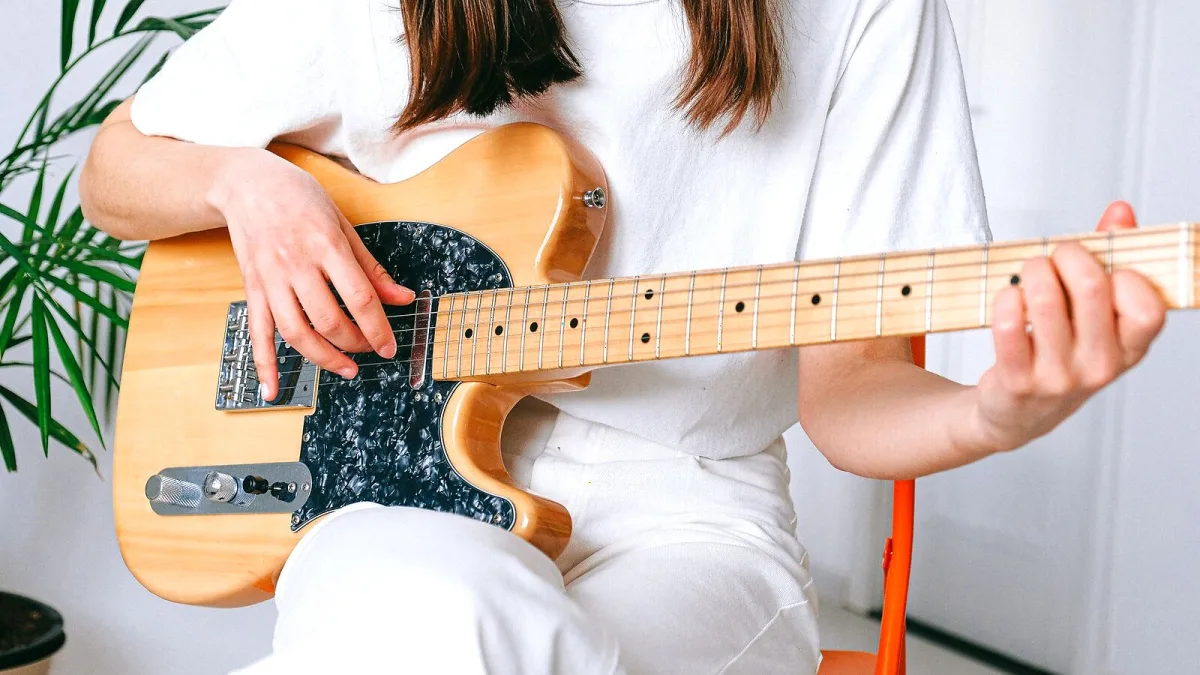
I remember the exact feeling of standing in front of a wall of guitars, completely overwhelmed, with a shop assistant asking what I was "looking for" as if I had the faintest idea. If that's you right now, take a breath — a Yamaha electric guitar is one of the kindest places to start, and this guide is here to walk you through it without any of the jargon-heavy nonsense that usually comes with buying your first one.
Why Yamaha Makes Sense for a First Guitar
Yamaha has been building instruments — proper ones, from pianos to trumpets — for well over a century, and that discipline shows up in the small things that matter most to a beginner: consistent fretwork, a neck that feels comfortable from day one, and electronics that won't fight you while you're still working out where your fingers go. You're not buying a "starter" instrument that you'll need to replace the moment you improve. You're buying a genuinely well-made guitar that happens to be gentle on your budget and your confidence.
Which Yamaha Should a Beginner Actually Start On?
An entry-level model from the Pacifica family is the obvious place to look. It's a double-cutaway design — think of the familiar Stratocaster shape — with pickups that can do clean, jangly tones as well as a bit of crunch once you plug into an overdrive pedal or turn up your amp. It won't push you towards one style before you know what you like, which matters enormously when you're still figuring that out. If you fall in love with a heavier, rockier sound early on, Yamaha's Revstar range is worth trying too, though most beginners find Pacifica's lighter, more familiar shape easier to get comfortable with first.
What Else You'll Need Alongside the Guitar
- A small practice amp — you don't need anything loud, just something with a clean and an overdrive channel
- A clip-on or pedal tuner, because a guitar that's out of tune will make everything sound wrong and put you off for no good reason
- A cable to connect guitar to amp, and a spare — they're cheap and they do fail
- A few picks in different thicknesses, so you can find what feels natural in your hand
- A strap, even if you mostly plan to sit and play, for the days you don't
Your First Few Weeks
Don't try to learn everything at once. Here's roughly the order that actually works, based on how most guitarists — myself included — got started:
- Learn to hold the guitar comfortably, seated and standing, before worrying about anything else
- Get the guitar in tune every single time you pick it up, using your tuner
- Learn four or five open chords — E minor, A, D, G and C cover an enormous number of songs
- Practise switching cleanly between two chords before adding a third
- Once chords feel steady, start on simple strumming patterns rather than single notes
Little and often beats one long, frustrated session. Fifteen focused minutes a day will get you further, faster, than an exhausting two-hour session once a week.
Common Worries, Sorted
Your fingers will hurt for the first couple of weeks. That's normal — the skin on your fingertips is toughening up, not being damaged, and it settles down. Your chords will sound muddy and buzzy to start with. That's normal too, and it's usually about finger placement rather than the guitar being faulty. And no, you don't need a "better" guitar before you're allowed to start — a well set-up Yamaha electric guitar will happily take you well past your first year of playing.
When You're Ready to Learn More
Once you've got the basics under your fingers and you're wondering what else is out there, our full overview of Yamaha's electric guitar range explains how Pacifica, Revstar and the older RGX line differ, and our buyer's guide gets into the detail — pickups, neck profiles, bridge types — for when you're ready to upgrade. And if you're weighing up specific models by price, our pick of the best options for the money is worth a read before you spend anything.
Whatever you choose, the most important thing is simply this: pick one, take it home, and play it badly for a while. Everyone does. That's how you get good.





Comments