


Yamaha Electric Guitar article
Yamaha Electric Guitar Explained: Features, Types and Tips
Two families, one badge: how Pacifica's do-it-all versatility and Revstar's café-racer-inspired focus define a Yamaha electric guitar in 2026.
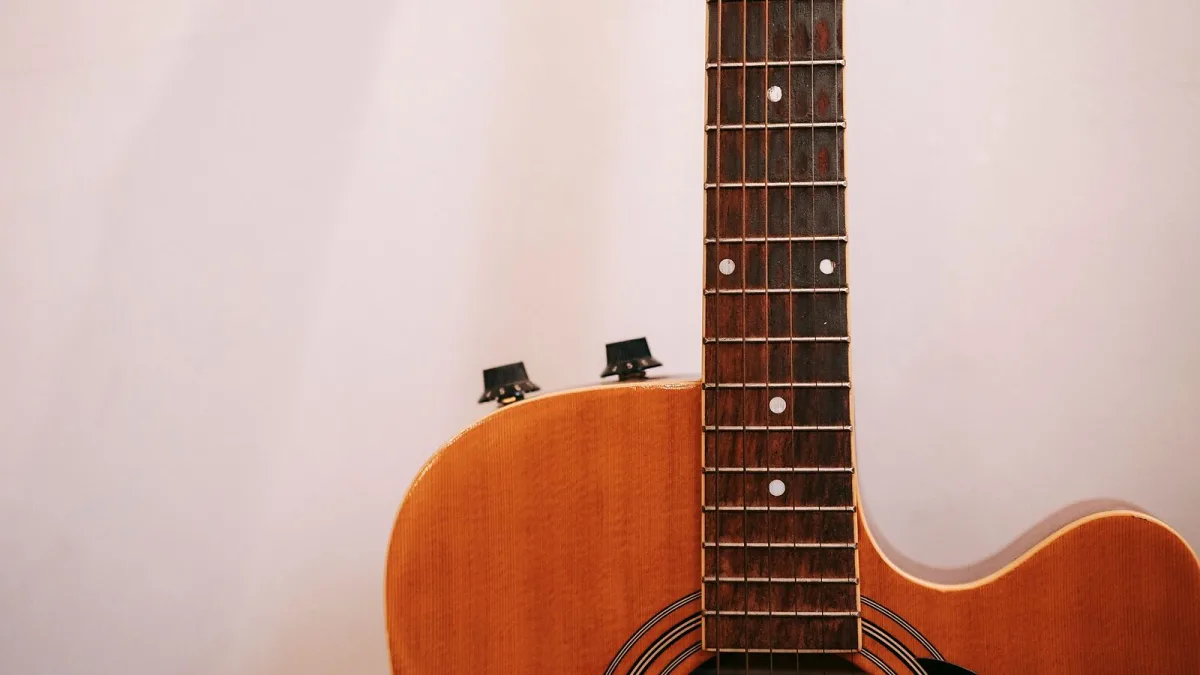
I still remember the first time a mate handed me a Pacifica across a sound-check and said, "just play something, anything." That's the thing about a Yamaha electric guitar — it tends to turn up in the hands of people who just want to get on with playing rather than obsess over gear. Here's what actually sits behind the badge: two very different families, a bit of history, and where the range is heading right now.
Two Families, One Badge
Nearly everything Yamaha makes in electric guitars falls under one of two names: Pacifica or Revstar. They don't sound or feel remotely alike, and that's rather the point — Yamaha built them to cover different corners of the same room.
The Pacifica Story
Pacifica arrived in the early 1990s as a double-cutaway, bolt-on-neck design clearly indebted to the Stratocaster's easy-access body shape. The early high-spec version, the PAC912, set out the classic formula: an HSS pickup layout — a bridge humbucker paired with two single coils, so you get punch when you dig in and sparkle when you back off — bolted to a body built for comfort over long sets.
That versatility is still Pacifica's whole personality. It was never chasing one signature tone; it was chasing coverage — rock, pop, blues, country, funk, worship, whatever the gig actually needs. Today the family stretches from genuinely affordable beginner models right up through Pacifica 600, Standard Plus and Professional guitars, plus the newer single-cutaway Pacifica SC line announced for 2026 with a rounded-C neck and a compound-radius fingerboard (a fingerboard that curves more at the low frets for comfortable chords, then flattens out higher up for easier bending).
The Revstar Story
Revstar is the younger sibling, launched in 2015 — Yamaha's first genuinely new electric-guitar series in over a decade. The design language borrows from Yamaha's own motorcycle division, specifically the look of café racer bikes, and it shows in the compact, purposeful body shape.
Underneath the styling, Revstar plays quite differently to a Pacifica. It runs a shorter 24¾-inch scale (versus the longer scale more typically associated with Pacifica), uses a mahogany neck and rosewood fingerboard, and its body is chambered — meaning material is hollowed out from inside a solid-feeling body — which Yamaha says helps with resonance, weight and balance. Standard and Professional Revstar models add carbon reinforcement inside the neck (and, on Professional guitars, the body too) to keep things structurally stable. Pickups lean toward humbuckers or characterful P-90-style single coils, giving Revstar a thicker, more midrange-forward voice than a typical Pacifica.
Pacifica vs Revstar, Side by Side
| Pacifica | Revstar | |
|---|---|---|
| Feel | Light, ergonomic, familiar | Compact, substantial, distinctive |
| Scale | Longer, snappier | 24¾ inches, slightly looser bends |
| Pickups | Often HSS — broad and versatile | Humbucker or P-90 — thicker, more midrange |
| Best for | Covering lots of styles on one guitar | A more focused rock, blues or indie voice |
What Suits What
None of this is a strict rulebook, but it's a useful starting point when you're not sure which family to even try first:
- Rock and hard rock — Revstar humbuckers or a Pacifica's bridge humbucker for extra bite.
- Blues — Revstar's P-90-style pickups, or a Pacifica's neck pickup with a touch of drive.
- Funk and clean pop — Pacifica's single-coil positions, for that glassy, articulate snap.
- Indie and alternative — either, depending on whether you want Revstar's midrange focus or Pacifica's flexibility.
- Country and worship — Pacifica models with clear, dynamic single-coil voicing.
The pickup name on the spec sheet is only ever part of the story, mind — wiring, pickup height, the strings you put on and how hard you dig in all shape the final sound just as much as the label does.
Where Yamaha Is Heading Right Now
2026 has been a genuinely busy year for the range. Alongside the new Pacifica SC models, Yamaha announced a Chris Buck signature Revstar with custom-voiced P-90-style pickups and a wraparound bridge, plus a limited 60th Anniversary Revstar Professional with a flame-maple top and gold hardware. It's a clear signal that a Yamaha electric guitar isn't just the reliable, affordable option it once had a reputation for — the top of both ranges is now genuinely aimed at serious, gigging players.
A Note on Materials You'll See Advertised
A few terms crop up across both families that are worth knowing before you read a spec sheet. Carbon reinforcement is exactly what it sounds like — a strip of carbon fibre built into the neck (and, on higher Revstar models, the body) to resist warping from string tension and changes in temperature or humidity. Stainless-steel frets, used on the newer Pacifica SC models, tend to last longer and feel smoother under fast bends than standard nickel-silver frets, though feel also depends on the fret's size and shape. None of it replaces a proper setup, but it does mean a well-built Yamaha electric guitar needs less fuss over the years than its price might suggest.
The Bottom Line
Pick Pacifica if you want one guitar that can plausibly do several jobs; pick Revstar if you already know the sound you're chasing and want a guitar built specifically toward it. Either way, a Yamaha electric guitar earns its reputation through consistency rather than hype. If you're ready to go shopping, our complete buyer's guide walks through the specs that actually matter, and our roundup of the best Yamaha electric guitars for the money breaks the range down by budget. New to electric guitar entirely? Start with our beginner's guide instead, and once you've narrowed things down, it's worth a look at common mistakes to avoid before you buy.





Comments