


Lap Steel Guitar article
The Ultimate Guide to Lap Steel Guitar
From a Hawaiian beach to Nashville session rooms — the full story of the lap steel guitar, how it's played, and how it differs from its steel-guitar cousins.
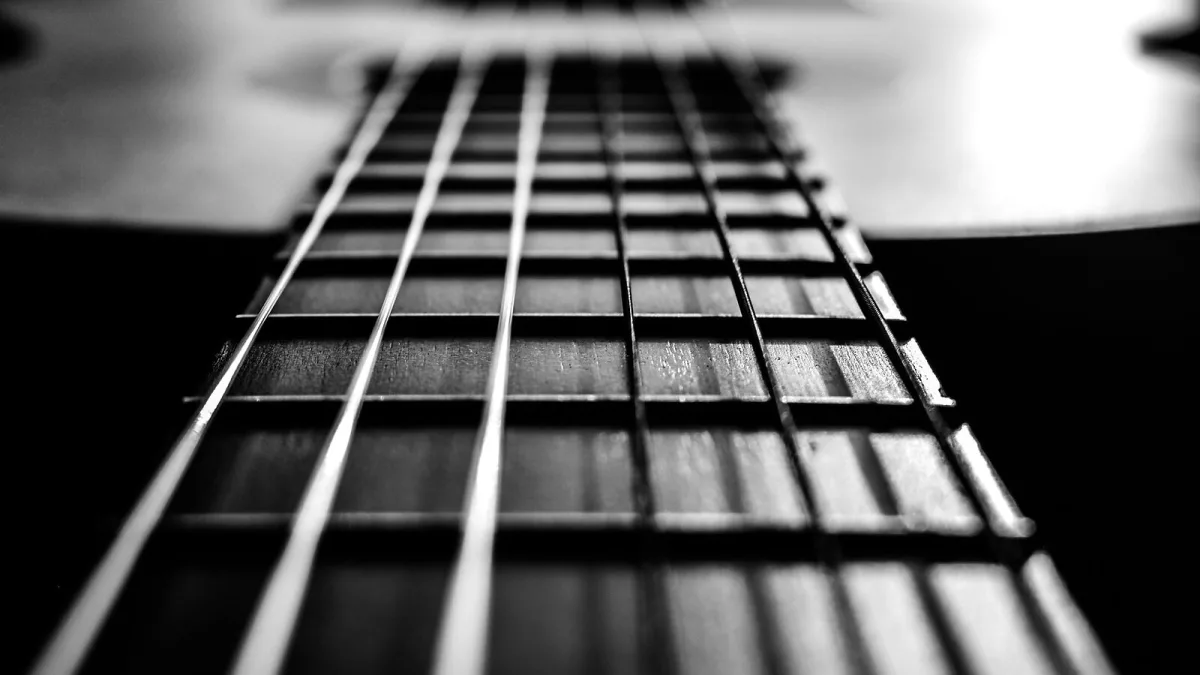
There's a sound that turns up everywhere once you learn to listen for it — that liquid, singing slide underneath a Hank Williams record, or gliding through an old Hawaiian 78. That's the lap steel guitar, and it's one of the few instruments whose entire history you can trace back to a single beach in Hawaii. This guide is the whole story: what it is, where it came from, how it actually works, and where to head next once you're hooked.
What Is a Lap Steel Guitar?
A lap steel guitar is played flat — across your thighs, or resting on a stand — with the strings facing up rather than out. Instead of pressing the strings down onto frets, you glide a smooth metal or glass bar (called a tone bar) along the top of them with your left hand, while your right hand plucks with fingers, a thumbpick, or fingerpicks. Because nothing ever touches the fretboard, every note can bend, slide and sing into the next one. That continuous, vocal quality is the whole point of the instrument.
Where It All Began: Joseph Kekuku and Hawaii
The story usually starts with Joseph Kekuku, a Hawaiian musician credited with working out the technique in the late 1880s or 1890s — accounts differ on the exact year, but the anecdote is always the same: sliding a piece of metal along guitar strings and realising the sound it made. Whatever the precise date, Kekuku's innovation wasn't just the slide itself; it was turning the guitar on its lap and using a bar to hit exact pitches, which let players glide smoothly between notes in a way a fretted guitar simply can't.
Hawaiian musicians toured the mainland United States through the 1920s and 1930s, and the steel guitar sound became a genuine craze — you'll find it stamped through the popular music of that era far more than most people realise.
From Hawaii to Nashville: How the Sound Spread
From there, the lap steel guitar found its way into Western swing, country and blues. Players like Bob Dunn pushed amplified steel into Western swing bands in the 1930s, and Leon McAuliffe became closely associated with Bob Wills and the Texas Playboys. Jerry Byrd carried the Hawaiian style forward into Nashville sessions, and Don Helms's steel work behind Hank Williams is one of the defining sounds of classic honky-tonk. Later players — Cindy Cashdollar, David Lindley, Ben Harper — kept carrying it into roots, rock and singer-songwriter records, proving the instrument never really stopped evolving.
How a Lap Steel Actually Works
Two hands, two very different jobs. Your left hand holds the bar directly above the fret marker you want (not behind it, like a fretted note) — slide it smoothly for a glissando, wobble it gently for vibrato, or tilt it at an angle for a slant that puts different strings at different pitches. Your right hand does the equally important job of blocking: muting the strings you're not using with the edge of your palm or your spare fingers, because a lap steel has no frets to stop unwanted strings ringing on their own.
Tuning matters just as much as technique, since a lap steel is normally tuned to an open chord rather than standard guitar tuning. Here are the tunings you'll meet most often:
Common Lap Steel Tunings
| Tuning | Notes (low to high) | Best for |
|---|---|---|
| C6 | C–E–G–A–C–E | Hawaiian, Western swing, jazz, chord melody |
| Open D | D–A–D–F♯–A–D | Blues, folk, straightforward major chords |
| Open E | E–B–E–G♯–B–E | Blues and rock (higher tension) |
| Open G | D–G–D–G–B–D | Roots, blues, resonator-style playing |
| A6 | A–C♯–E–F♯–A–C♯ | Hawaiian and Western swing |
Most teachers suggest picking one tuning and sticking with it while your ear and your bar hand develop — C6 if you're chasing that Hawaiian or Western swing chord vocabulary, Open D if blues and simple major chords are the goal.
Lap Steel vs Pedal Steel vs Resonator Guitar
These three get mixed up constantly, so it's worth being clear. A pedal steel guitar grew out of the lap steel tradition but added pedals and knee levers that raise or lower strings mid-performance, letting a player change chords without moving the bar — it's a genuinely separate instrument with its own mechanics, not just "advanced lap steel." A resonator guitar (the kind often called a Dobro) uses a metal cone built into the body to project sound acoustically, and can be played either upright or on the lap. A lap steel, by contrast, describes a playing position and technique rather than one specific body style — it might be acoustic, electric, solid-body or hollow, and it doesn't need a resonator cone to work.
Where to Go From Here
If the sound has got under your skin — and it usually does — the next steps are practical ones. Thinking about your first instrument? Our complete buyer's guide walks through what actually matters when choosing one. Brand new to playing? The beginner's guide covers your first weeks of bar control and tuning. Curious what's worth your money at each price point, our roundup of the best lap steel guitars breaks it down by tier, and once you've started playing, it's worth reading through our list of common mistakes to avoid before they become habits.
A lap steel guitar rewards patience more than speed. Get the bar sitting right over the fret, learn to block cleanly, and the rest of that singing, sliding sound follows naturally.





Comments