


Frets roundup
The Best Frets for the Money
There's no single 'best' fret for everyone. Here's an honest, tier-by-tier breakdown of where your money is genuinely well spent.
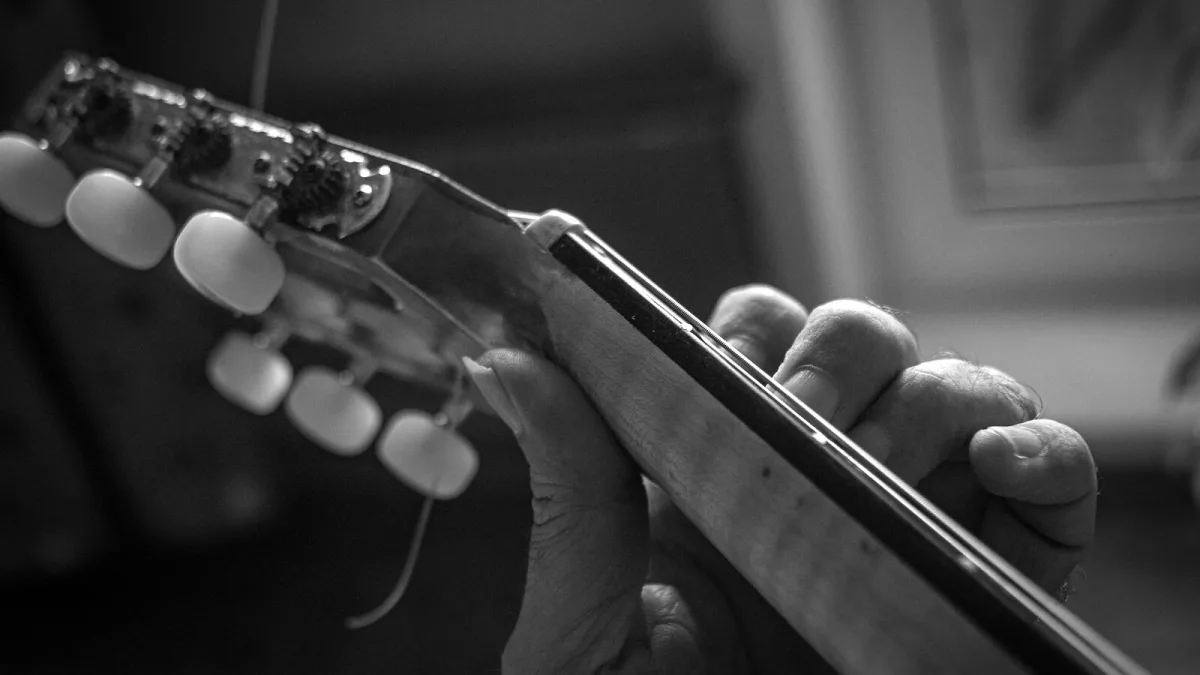
Right, let's cut through the jargon. There's no single set of "best" frets out there — what suits a heavy-handed blues player chasing big bends is not what suits someone who mostly strums chords in first position. What follows is an honest breakdown of frets by price and purpose, so you can work out where your money is actually well spent.
Budget Tier: Standard Nickel-Silver
For most players, on most guitars, standard nickel-silver frets are genuinely good value. It's the material almost every guitar ships with, it's straightforward for a technician to level and crown, and replacement frets are cheap and easy to find. You're not sacrificing playability here — you're just accepting that heavy players will see wear on these frets sooner and might need another level-and-crown down the line.
Best for: casual and moderate players, a first set of replacement frets, anyone who wants a sensible, no-nonsense result without paying a premium.
Mid-Tier: Choosing the Right Profile
Once you've settled on nickel-silver as the material, the next lever is profile — width and height. This is where a bit of extra thought pays off more than spending more money.
| Profile | Feel | Good match for |
|---|---|---|
| Vintage (narrow, low) | Connected, traditional | Rhythm players, vintage-style guitars |
| Medium-jumbo | Comfortable all-rounder | Most electric and bass players |
| Jumbo (wide, tall) | Fast, easy to bend | Lead players, heavy vibrato |
Best for: players who already know their style — a lead guitarist who bends constantly gets real, tangible value from going up to jumbo wire, while a rhythm player often prefers the vintage feel.
Premium Tier: Stainless Steel and EVO Gold
This is where you pay more for durability, not necessarily for a better sound. Stainless steel shrugs off the grooving that eventually affects every guitar, and it can feel notably slicker under fast runs — but it costs more to install because it's tougher on a technician's tools. EVO gold sits in between: harder-wearing than nickel-silver, generally more workable than stainless, at a price that usually splits the difference too.
Best for: touring or gigging players, anyone who plays for hours daily, or players who are simply tired of paying for repeat level-and-crown jobs every year or two.
One honest note here: claims that stainless steel transforms your tone should be taken with a pinch of salt. Pickups, strings and how hard you dig in have a far bigger effect than the metal under your fingers.
What Actually Drives the Price
- Material — nickel-silver is cheapest, stainless the most expensive to install
- Labour — levelling, crowning, end dressing and a final setup all add time
- Instrument access — bound necks and certain neck joints take longer to work on
- Number of frets being replaced — a partial fret job costs less than a full refret
A cheap quote that skips levelling, crowning or a final setup is not actually cheaper — it just moves the cost to a second visit.
Which Tier Actually Suits You
| You are… | Reasonable choice |
|---|---|
| A casual or occasional player | Budget nickel-silver |
| A gigging lead player who bends a lot | Mid-tier jumbo or medium-jumbo |
| Playing daily or touring regularly | Premium stainless steel or EVO gold |
Buying Secondhand? Check the Frets First
If you're eyeing up a used guitar, the frets will tell you more about how hard it's been played than the seller ever will. Run a finger along the top edge of the fingerboard — sharp, protruding ends usually mean the neck has dried out at some point. Look for grooves under the strings in the first few positions, and press a string down at the highest fret to check for buzzing further up the neck. None of this rules a guitar out, but it does give you real leverage on the price, and it tells you honestly whether you're inheriting someone else's future refret bill.
The Bottom Line
Spend where it matters — on labour quality and the right profile for how you actually play — and don't pay extra for a material you'll never wear out anyway. If you want the full picture on how frets work before deciding, read our overview, and if you're about to get quotes, our buyer's guide tells you exactly what to ask. Just starting out on guitar? Our beginner's guide is the better place to start, and it's worth reading common mistakes to avoid before you spend a penny.






Comments