


Frets roundup
Frets: A Complete Buyer's Guide
From reading a wire spec sheet to knowing what a fair refret quote looks like, here's what actually matters when you're buying frets.
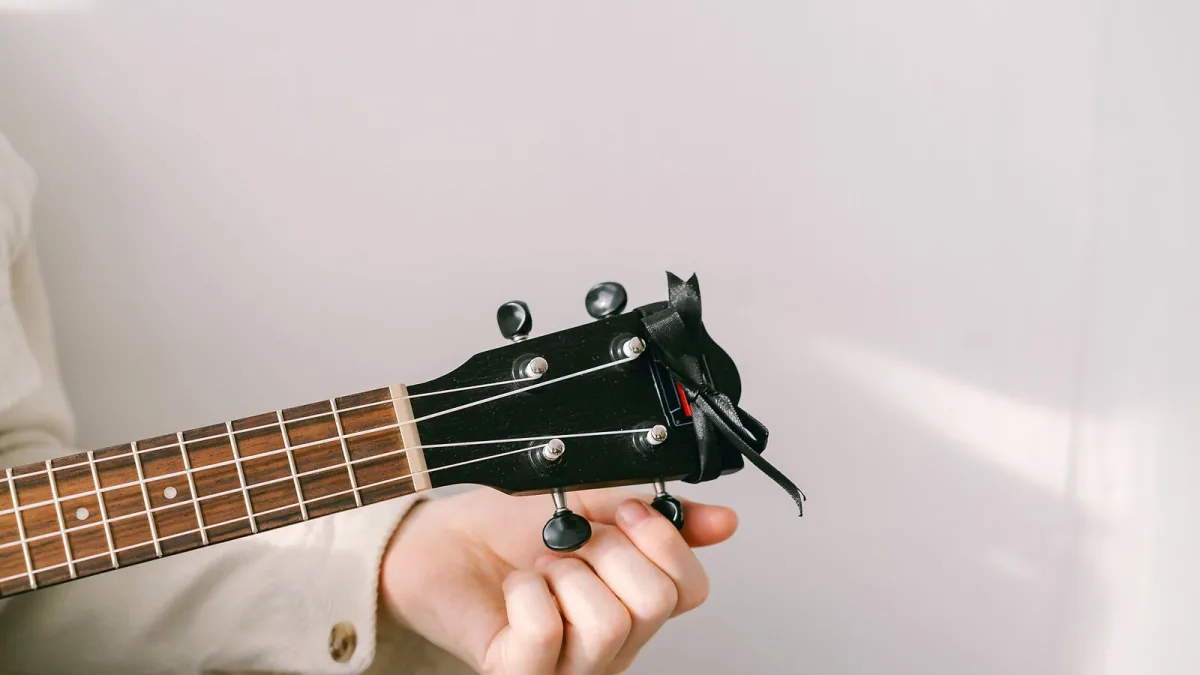
Whether you're weighing up a refret on an old favourite or trying to work out what "medium-jumbo" actually means on a spec sheet, buying frets is one of those decisions that looks simple until you start reading the small print. This guide breaks down exactly what to check, what the numbers mean in practice, and where people typically waste money.
What You're Really Buying
When someone talks about "buying frets," they usually mean one of two things: choosing a new instrument partly on the strength of its frets, or paying a technician to install a fresh set during a refret. Both decisions come down to the same handful of variables — width, height, material and how well the job is actually done.
It helps to be clear about which one you're actually doing before you get quotes. Shopping for frets on a new build is really shopping for a whole guitar, with frets as one factor among many. Paying for a refret is a standalone job, priced on its own merits, and worth understanding properly before any money changes hands.
The Specs Worth Checking
Width and height
Fret wire is sold and specified by two measurements: how wide the top is and how tall it stands above the fingerboard. As a concrete reference point, Fender's 6105 wire — described as modern narrow-tall — measures roughly 0.090 inches wide by 0.055 inches high, while its 6100 jumbo wire runs closer to 0.110 by 0.055 inches, and 6130 medium-jumbo sits around 0.106 by 0.036 inches.
| Wire type | Approx. width | Approx. height | Best suited to |
|---|---|---|---|
| Narrow-tall (e.g. 6105) | 0.090" | 0.055" | Precise fretting, moderate bends |
| Medium-jumbo (e.g. 6130) | 0.106" | 0.036" | General-purpose electric and bass |
| Jumbo (e.g. 6100) | 0.110" | 0.055" | Heavy bending, lead playing |
Remember these labels are not universal standards — a supplier's own "jumbo" and a rival's "jumbo" can differ. Ask for the actual millimetre or inch figures rather than trusting the name alone.
Material
Nickel-silver is the default: a copper-based alloy with nickel and zinc, easy to level and comparatively cheap to replace. Stainless steel costs more in labour because it is harder on cutting and crowning tools, but it resists the grooving that heavy players eventually cause. EVO gold sits between the two — a harder alloy than nickel-silver that is generally more workable than stainless. If durability against wear matters more to you than upfront price, it is worth paying the difference.
Matching Wire to Fingerboard and Scale
Fret choice does not exist in isolation. A flatter fingerboard radius generally pairs well with lower wire, since there is less curvature for a tall fret to fight against during bends. Scale length and string gauge matter too — heavier strings under high tension respond differently to a given fret height than light strings do. A good technician will ask about your playing style and setup before recommending a wire, not just hand you a catalogue.
New Guitar or Refret?
If you're shopping for a new instrument, the fret spec is one line on a much longer sheet, and it's rarely worth choosing a guitar on that basis alone. A refret, on the other hand, is a genuine investment decision: it involves removing old wire, cutting new slots or reseating them, installing fresh wire, then levelling, crowning and dressing every fret before final setup. That is real skilled labour, and it should be priced and quoted as such rather than treated as a quick add-on.
Questions Worth Asking Before You Pay
A technician who knows their trade will happily answer these without getting defensive. If they can't, treat that as a warning sign:
- What exact width and height are these frets, in inches or millimetres?
- Is the quote for fret wire and labour separate, or one combined figure?
- Will the job include levelling, crowning and end dressing, or just installation?
- Is a full setup included once the frets are finished, or billed separately?
- What's the warranty if a fret lifts or buzzes within the first few weeks?
Getting straight answers to these five questions will tell you more about the quality of the work than any brochure ever could.
Common Buying Pitfalls
- Choosing wire by name ("jumbo") without checking actual dimensions
- Assuming a refret will fix problems caused by the truss rod, nut or bridge
- Picking stainless steel purely for a tone change that is not well established
- Getting a quote that does not separate the fret wire cost from the labour
- Skipping a proper setup after the fretwork is finished
Bottom Line
Buying wisely comes down to knowing your own playing style, asking for real measurements rather than marketing names, and treating a refret as skilled labour worth paying properly for. If you're still getting your head around the basics, our overview of frets is a good starting point, and the best frets for the money breaks down what you get at each price tier. New to the instrument entirely? Start with our beginner's guide, and before you spend anything, it's worth reading common fret mistakes to avoid so you don't repeat them.





Comments