
Aston classical guitars offer nylon-string comfort, traditional tone and reliable playability for study, practice and performance.
- 5 articles
- Guitars — Other Brands
Articles on Aston Classical
All news

Common Aston Classical Mistakes to Avoid
The most common Aston Classical mistakes — from buying a laminate top when solid is within budget, to wrong playing position, humidity neglect and rushed right-hand development — are preventable with...

A Guide to Aston Classical
The Aston Classical guitar is built on centuries of tradition: nylon strings, cedar or spruce soundboards and fan bracing. This guide covers construction, technique and who the instrument is right for...
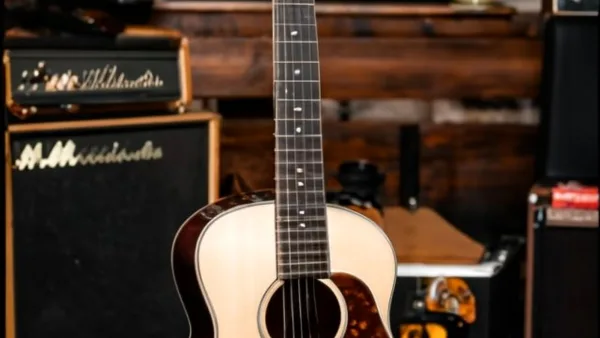

Aston Classical: A Complete Buyer's Guide
Choosing an Aston Classical guitar? This guide covers the decisions that matter: construction level, top wood, neck profile, scale length and what to check before you commit.

Aston Classical for Beginners: A Complete Guide
A beginner's guide to Aston Classical guitars — covering the correct playing position, right-hand and left-hand technique, reading classical guitar notation and the basics of instrument care.


The Best Aston Classicals for the Money
The best Aston Classical for the money is the one with the highest construction quality your budget allows. This guide breaks down where value lies at each tier, from student to all-solid instruments.

Classical Sound and Finish
An aston classical category is suited to players seeking nylon-string tone, comfortable playability and a traditional voice for fingerstyle, folk and repertoire playing. The aston classical range appeals to learners and experienced musicians who want a responsive instrument with a familiar classical feel.
Designed for Comfort and Control
With wider necks, nylon strings and a balanced body shape, an aston classical guitar supports accurate fretting and a soft left-hand touch. That makes it a practical choice for players developing technique, as well as performers who prefer a smooth, rounded sound.
Useful for Practice and Performance
An aston classical instrument can work well in lessons, home practice, ensemble settings and acoustic performance. UK musicians often look for projection, tuning stability and dependable intonation when choosing a classical-style guitar for regular use.
Choosing an Aston Classical Guitar
When comparing an aston classical model, consider scale length, top material and overall finish. The right instrument will offer a comfortable response, clear tone and enough refinement to support both study and performance.

Tanglewood
Tanglewood instruments for UK musicians, with accessible acoustics, basses and versatile options for everyday playing.
1 topic
Tanglewood Guitars
Tanglewood guitars offer accessible, versatile options for UK musicians seeking value, comfort and everyday performance.

Tanglewood Guitar Company
A brand hub for the Tanglewood guitar company, covering accessible instruments for beginners, gigging players and home m...

Chapman Guitar
Chapman guitar models offer modern styling, versatile playability and performance-focused features for UK musicians.

Chapman Stick
The Chapman Stick is a specialist tapping instrument for players who want guitar, bass and harmony in one voice.

Guitar Faith
Faith acoustic guitars are known for musical balance, comfortable playability and a refined feel suited to songwriting a...

Cordoba Guitar
Choose a Cordoba guitar for nylon-string tone, classical feel and dependable performance on stage or in the studio.

Gibson Victory
Distinctive Gibson Victory guitars with a modern feel, reliable playability and strong appeal for collectors and perform...
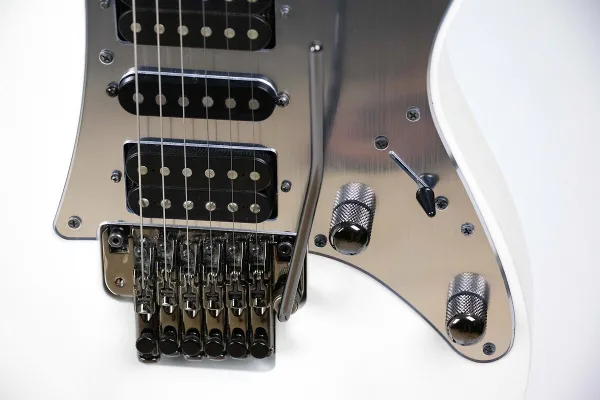
Selmer Guitars
Selmer guitars offer historic acoustic character, distinctive tone and vintage appeal for UK players and collectors.

Casio Guitar Dg 20
The Casio guitar DG 20 is a rare digital guitar-synth hybrid prized by collectors and experimental players.


