


Gibson Sj 200 Guitar roundup
Gibson Sj 200 Guitar: A Complete Buyer's Guide
The SJ-200 name alone doesn't tell you much. Here's what actually matters when you're comparing guitars, from bracing to body size to a vintage inspection.
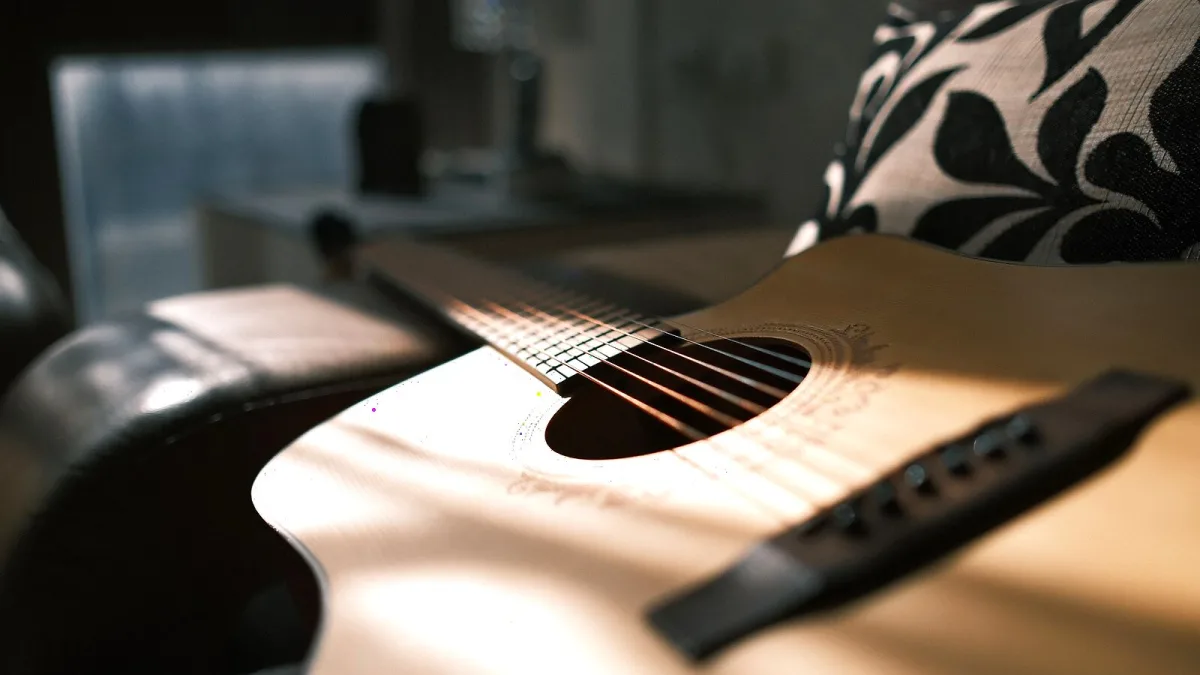
A Gibson SJ-200 is a serious purchase, and the model name alone doesn't tell you much — Gibson has built meaningfully different SJ-200s across nearly nine decades, and even today's range splits into several distinct specifications. Here's what actually matters when you're comparing guitars, rather than just reading the badge on the headstock.
Decide Which Kind of SJ-200 You're After
Start by narrowing the field. Gibson currently offers an SJ-200 Original built around hand-scalloped X-bracing and vintage-style appointments, an SJ-200 Standard aimed at everyday players, Custom Shop and historic recreation instruments built to a specific period's spec, and artist signature models such as the Bob Dylan SJ-200. Used and vintage examples are a separate category again, with their own considerations covered below.
Each of these is genuinely a different guitar to live with, so it's worth being honest with yourself about whether you want vintage-style scalloped bracing and period looks, or a straightforward modern instrument built for gigging.
Tonewoods and Bracing: What's Actually Under the Hood
The top is spruce on every version, though the exact species can vary by model, and top thickness and bracing affect how quickly the guitar opens up and how loud it can get. The back and sides matter just as much. Postwar and modern standard SJ-200s are generally built with maple back and sides, which tends to give a clear, immediate, projecting tone. Earlier and some specialist versions use rosewood, generally associated with a deeper low end and more complex overtones. Bracing — the internal wood lattice under the top — also affects the sound: scalloped X-bracing, where material is carved away from the braces, lets the top move more freely and is a hallmark of the current SJ-200 Original.
Treat all of this as a tendency rather than a rule. Setup, top thickness, strings and the individual piece of wood all play a part, so where possible, play the actual guitar rather than buying on spec sheet alone.
Body Size: The Thing a Spec Sheet Doesn't Convey
At roughly 16⅞ inches across the lower bout, this is one of the largest flat-top bodies Gibson makes, built that way deliberately for strong bass and projection. Photos and spec sheets don't communicate how that feels resting against you, so try the actual size in a shop before ordering one unseen — particularly if you're smaller-framed, have shorter arms, or are used to a slimmer dreadnought.
Neck, Scale and Fingerboard: Getting the Feel Right
The SJ-200 Standard typically runs a 25½-inch scale length with a maple neck, rosewood fingerboard and a 12-inch fingerboard radius, plus a nut width of around 1.725 inches on many examples. None of that is unusual for a Gibson acoustic, but combined with the super-jumbo body it changes how the guitar sits against you — check this in person if you can, particularly if you're smaller-framed or used to a slimmer dreadnought neck.
Electronics: Do You Need to Plug In?
If you'll ever need to run the guitar through a PA, check whether the specific model you're looking at includes onboard electronics — some modern versions use L.R. Baggs pickup systems, while others are strictly acoustic, and virtually every vintage instrument is acoustic-only. This is a meaningful price and spec difference, not a minor extra, so confirm it before you compare prices between two listings.
Finish and Appointments: What Else You're Paying For
Beyond wood and bracing, appointments vary a good deal across the range too: expect gold-plated hardware and an ornate pickguard on many models, with finishes running from natural and sunburst through to custom colours depending on the specific instrument. None of that changes how it sounds, but it does change the price, so it's worth weighing separately from the tonal specification.
New, Used or Vintage: What Changes at Each Level
A new one comes with a known specification and a warranty, which takes a lot of the guesswork out of buying compared with an older instrument. Vintage and well-used examples are a different proposition: repairs, replaced bridges, refinished tops, altered bracing and non-original tuners can all affect both tone and resale value, sometimes significantly. If you're considering a vintage SJ-200 or J-200, get it inspected by a luthier before you commit, and ask for evidence of the guitar's history — a factory order number, original label, and consistent hardware all help confirm what you're actually buying.
A Pre-Purchase Checklist
Whatever condition or age the guitar is, run through the same basic checks:
- Neck relief — sight down the neck for excess bow or back-bow
- Saddle and nut height — too high makes it hard to play, too low can cause buzzing
- Bridge condition — look for lifting edges or old repairs
- Top bellying behind the bridge — a sign of long-term string tension stress
- Neck angle — affects how much saddle height is left to work with
- Intonation — check the guitar plays in tune up the neck, not just open
- Pickup balance, if the model is fitted with electronics
Bottom Line
Buying a Gibson SJ-200 comes down to matching the specification to what you'll actually use it for, then checking that the individual instrument backs up its spec sheet. For the model's background and why the specification has changed so much over time, see our Gibson SJ-200 overview. If you want a shortlist of specific models to compare, our best Gibson SJ-200 guitars round-up is a good next stop, and if this is your first serious acoustic, read our beginner's guide first. Once you own one, our piece on common SJ-200 mistakes covers the setup and care errors worth avoiding.






Comments