


Silent Disco Headphone article
Common Silent Disco Headphone Mistakes to Avoid
Small oversights that only reveal themselves once a room is genuinely full of people. Here's what to check before yours does.
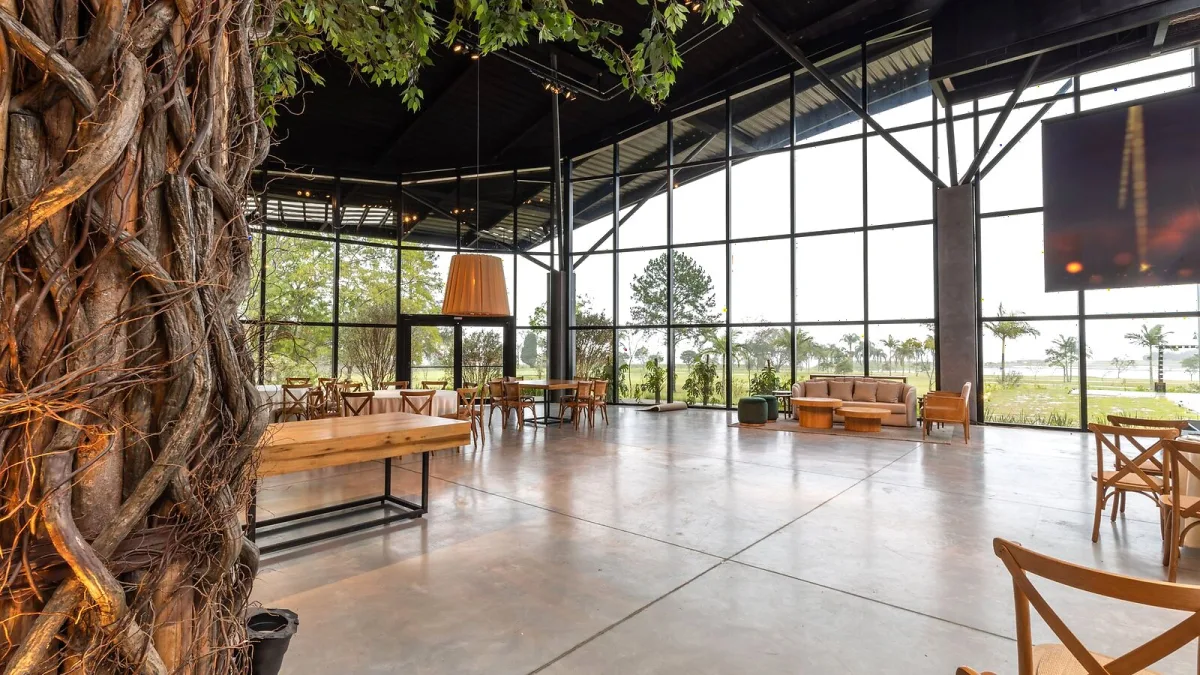
I once watched an outdoor event grind to an awkward half-silence twenty minutes in, because half the headphones had quietly drifted out of range behind a marquee nobody had thought to test. Nobody's fault, exactly — just an easy thing to miss. Most silent disco headphone mistakes are like that: small oversights that only reveal themselves once a room is actually full of people.
Assuming "wireless" means Bluetooth-compatible
This trips up more buyers than anything else. Plenty of proprietary RF and 2.4 GHz systems are described loosely as "wireless" without ever being Bluetooth-compatible, and a headset built for one manufacturer's transmitter usually won't pair with another's. Confirm actual compatibility with model numbers, not marketing language, before you buy or rent anything.
Trusting the range figure on the box
Advertised ranges of 100 to 300 metres are open-air, best-case numbers. Walls, stairwells, dense crowds and general interference all eat into that fast, and the only honest way to know what you'll actually get is testing at the real venue, with people and obstacles present, before the event starts.
Not budgeting for spares
Headphones get dropped, batteries fail early, and someone always walks off wearing one by accident. Running an event with exactly the headcount in headsets and zero spares is asking for a stressful hour of quiet improvisation. A handful of charged spares and a couple of backup cables cost little compared to the alternative.
Charging units one at a time
It sounds like a minor inconvenience until you're doing it at midnight before an early event. A proper multi-unit charging case or rack isn't a luxury purchase — it's the difference between an organised setup and a scramble of individual cables the night before.
Skipping the hygiene plan
If headsets are shared across many wearers over an event, that's a genuine consideration, not an afterthought. Replaceable cushions, wipeable surfaces and an actual cleaning routine between uses matter, especially for anything running as a rental across multiple events.
Treating a 60% volume rule as a safety guarantee
You'll see this figure repeated often as sensible guidance for keeping headphone volume in check, and it's a reasonable rule of thumb. It is not a scientifically guaranteed safe threshold for every listener, every headset and every exposure time. Silent discos reduce sound spilling outward, but they do nothing to protect the wearer's own hearing — that still depends on playback level, exposure time and fit.
Ignoring local regulations around RF transmission
Depending on where you're operating, the frequencies used by RF transmitters can be subject to local regulation. It's an easy thing to overlook when you're focused on the party itself, but worth a quick check before running equipment at scale, particularly for repeated or commercial use.
A quick pre-event check
- Compatibility confirmed by model number, not just "wireless" on the listing?
- Range actually tested at the venue, with people and obstacles present?
- Spare units and cables packed, not just the exact headcount?
- Charging handled as a batch, not unit by unit?
- A real cleaning plan in place for shared use?
Getting the basics right first
If you're planning your very first event, our beginner's guide walks through a simple, forgiving first setup, and our complete buyer's guide covers what to check before you spend anything at all.
The bottom line
Nearly every one of these silent disco headphone mistakes only shows up once a room is genuinely full of people. Test at the actual venue, pack spares, and treat volume guidance as sensible advice rather than a guarantee, and the format looks after itself beautifully.






Comments