


Cort Guitar Company article
Common Cort Guitar Company Mistakes to Avoid
None of these mistakes are about Cort making bad guitars - they're about the assumptions buyers bring that the brand never actually made.
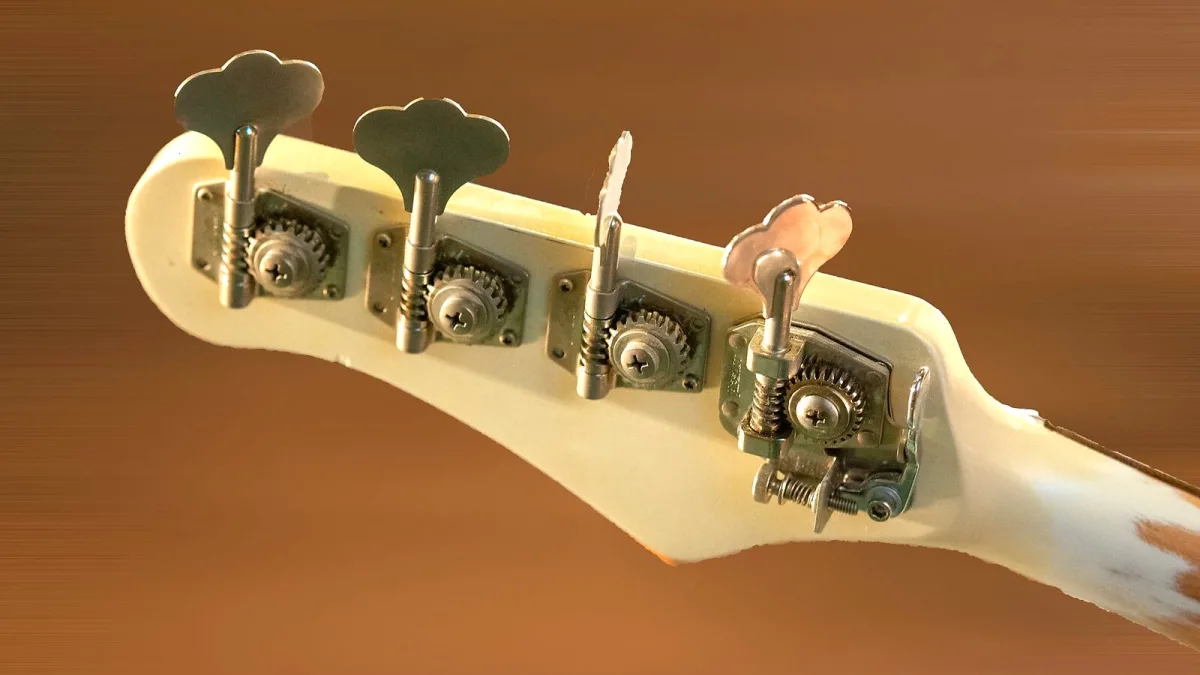
I've watched a few too many people fall for the same traps with this brand, so let's save you the trouble. None of these mistakes are about the Cort Guitar Company making bad guitars — they're about buyers making assumptions the brand itself never actually asked for. Here are the ones I see most often, and how to sidestep each.
Mistake 1: Judging the Whole Brand by One Bad Country-of-Origin Take
Someone online will always tell you Korean-made is "real" Cort and everything since is a shadow of it. It's not that simple. Cort's history does run through South Korea, and current production leans heavily on Indonesia with some Chinese-built models, but factory, production line and individual quality control matter more than a country stamped on a neck plate. Judge the specific guitar in front of you, not a forum consensus about a whole nation's output.
Mistake 2: Assuming "Cort Makes It" Means "It's Identical to a Cort"
Cort's parent company, Cor-Tek, is a major OEM manufacturer, and public sources link its factories to instruments sold under other names, including Ibanez, Squier, Sterling by Music Man, G&L Tribute, PRS SE and .strandberg*. It's easy to hear that and assume those guitars are secretly Corts in disguise. They're not, necessarily — wood selection, hardware, electronics and quality-control targets are all set by the client brand and can differ substantially. Enjoy the trivia, but don't shop on the assumption.
Mistake 3: Skipping the Setup
This is the big one, and it's not unique to Cort, but it costs people the most. A guitar straight from the factory or the shop floor has had a generic setup at best. Neck relief, action height and intonation all drift and all matter, and a cheap Cort with a proper setup will consistently outplay an expensive guitar that's never had one. If you buy nothing else after the guitar itself, budget for this.
Mistake 4: Buying Used Without Getting the Exact Model Name
"It's a Cort" tells you almost nothing on its own — the catalogue runs from entry-level electrics through to specialist Artisan basses, and each has entirely different specs. Before you hand over any money for a second-hand instrument, get:
- The exact model name and, ideally, the series it belongs to.
- Close-up photos of the headstock, pickups and hardware.
- Where and roughly when it was made, if the seller knows.
- Confirmation of any modifications from stock.
If a seller can't or won't answer any of that, treat it as a red flag on the price, not just a shrug.
Mistake 5: Choosing Specs You Don't Need Yet
Extended-range necks, active electronics, exotic bridge systems — all genuinely excellent when you know why you want them, and genuinely unhelpful when you don't. I've seen newer players buy an 8-string because it looked impressive, then barely touch the low strings for a year. Buy for the music you're actually playing now, not the guitarist you imagine becoming. Our beginner's guide to Cort is worth a read if you're not sure where you sit on that scale yet.
Mistake 6: Ignoring the Company's History Entirely
This one cuts the other way — some buyers go in with zero context at all. Cort has a genuinely interesting story, from its start as a piano importer through to becoming one of the industry's biggest manufacturers, and it also has a serious labour-dispute chapter in its Korean history that's worth knowing about rather than glossing over. Buying with your eyes open, in either direction, tends to make for a happier purchase. Our full guide to the Cort Guitar Company covers all of it properly.
Mistake 7: Not Comparing Within the Range Before Buying
People sometimes buy the first guitar they see from the Cort Guitar Company rather than comparing it against a sibling model a tier up or down within its own catalogue. Given how wide the range is, that's leaving options on the table. Our Cort buying guide walks through the actual specs worth comparing before you settle on one.
The Bottom Line
Almost none of these mistakes are about the instruments themselves — they're about the assumptions buyers bring to the Cort Guitar Company that the brand never actually made. Check the specific model, budget for a setup, and buy for where you actually are as a player. Do that, and you'll get a lot more right than wrong.






Comments