


Gibson LP Custom article
Gibson Lp Custom for Beginners: A Complete Guide
It's not the usual first-guitar advice, but if the look is what's pulling you toward playing, here's how to go in with your eyes open.
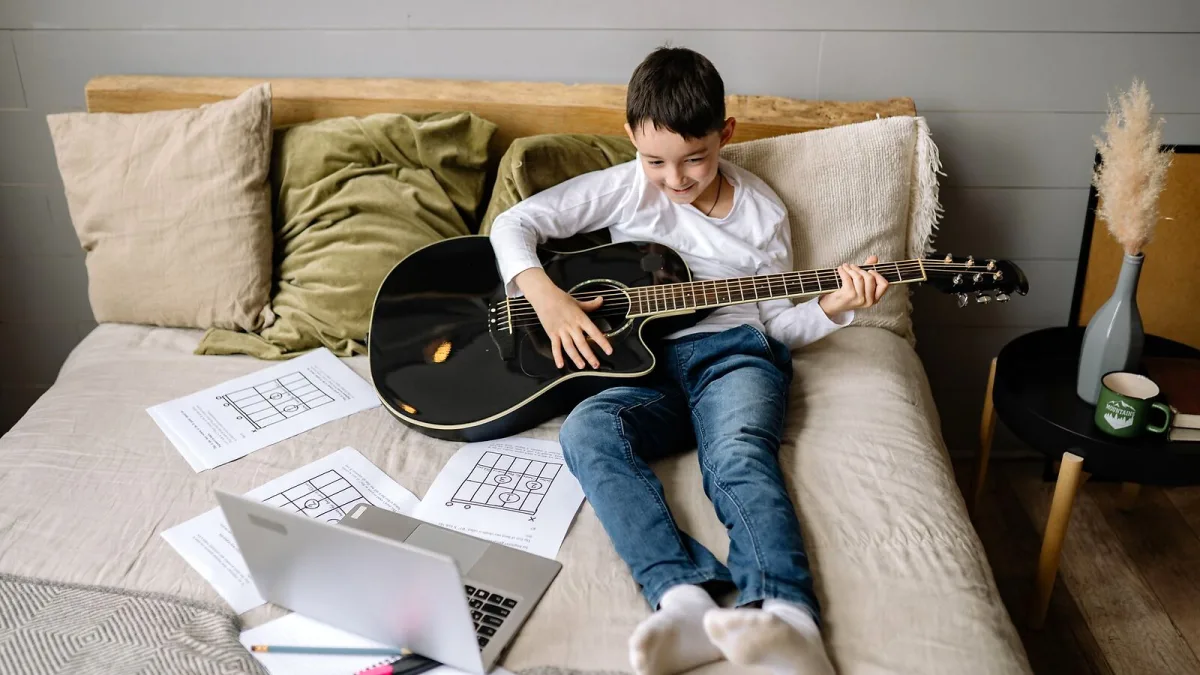
Right, let's be straight with each other: a Les Paul Custom is not the usual "starter guitar" advice you'll get, and there are good reasons why. But if you've fallen for the look and you're wondering whether it's a sensible first electric, here's the honest answer, plus what you actually need to know if you go for it anyway.
Should Your First Guitar Really Be This One?
Most teachers will point beginners toward something simpler and lighter, and that's sensible general advice. But "sensible" and "right for you" aren't always the same thing. If the look and the weight of this guitar are genuinely what's pulling you toward playing in the first place, that motivation matters more than following the standard script. Plenty of players have started here and got on fine — you just need to go in with realistic expectations about what you're taking on.
What a Les Paul Custom Actually Asks of a Beginner
- Weight: a solid mahogany body with a maple top adds up. Try one on properly before buying, ideally sitting and standing, because it feels different both ways
- Cost: genuine Gibson models sit well above typical beginner-guitar prices, though Epiphone makes a proper, much more affordable version of the same idea
- Setup sensitivity: a guitar this well specified deserves a proper setup, and a bad one will make even a brilliant instrument feel disappointing
- Fret access: the single-cutaway shape makes the very highest frets a bit less convenient to reach than on some other designs, though that rarely matters much for a beginner's early repertoire
Start With Epiphone, Genuinely
If you're set on this style of guitar but you're new to playing, I'd point you toward an Epiphone Les Paul Custom rather than the full Gibson straight away. You get the same look, roughly the same feel, and a proper set of humbuckers, without gambling a huge sum on an instrument before you know whether you'll stick with lessons. If you fall in love with it — and a lot of people do — trading up to a Gibson later is a genuinely nice milestone to work toward, rather than a decision you're forced into on day one.
What Comes With It
Two humbuckers, two volume and two tone controls, and a three-way pickup selector — more controls than some simpler beginner guitars, but nothing you can't learn in an evening. Start by leaving both tone knobs fully open and just getting used to switching between the neck pickup (warmer, rounder) and the bridge pickup (brighter, more cutting). You'll naturally start reaching for the tone controls once your ear develops enough to know what you're chasing.
Your First Few Weeks
Don't let the guitar's reputation intimidate you into overthinking your practice. The basics matter just as much here as on any other instrument:
- Get comfortable holding the guitar's extra weight without tensing your shoulder
- Learn basic open chords before worrying about the higher frets
- Get a cheap tuner or tuning app and use it every single time you pick the guitar up
- Play along to slow songs rather than isolated exercises — it keeps things enjoyable
- Book a professional setup early if the shop hasn't already done a thorough one
Things Beginners Worry About Unnecessarily
"Is this guitar too much for a first electric?" — not if you actually want it, though a lighter guitar is a fair backup option if the weight puts you off in the shop. "Do I need to understand all these controls straight away?" — no, you'll pick them up naturally within weeks. "Should I have started on something cheaper?" — only you can answer that, but plenty of players are perfectly happy having started right where their heart pulled them.
What Else You'll Need
The guitar's only half the setup. Budget for a decent practice amp — you don't need anything huge for bedroom playing, just something that lets you hear what your tone controls are actually doing. A wide, padded strap earns its keep fast given the weight we've already talked about; a thin one will dig in after twenty minutes and put you off practising. Add a proper hard case or a well-padded gig bag, since this isn't the sort of instrument you want knocking about loose in a car boot, plus spare strings, because you'll snap one eventually and it's always at an inconvenient moment.
Where to Go From Here
Once you've got a handle on the basics, our full Gibson LP Custom guide is worth reading to understand the history and the different models properly, and if you're weighing up buying decisions in more depth, the complete buyer's guide covers new versus vintage and what to check in person.
Starting on a Les Paul Custom isn't the conventional beginner choice, but it's not a reckless one either — provided you go in with your eyes open about the weight, the cost and the setup it deserves. Play what makes you want to keep picking the guitar up. That's the only rule that actually matters at the start.






Comments