


Gibson Hummingbird article
Gibson Hummingbird for Beginners: A Complete Guide
Iconic and beginner-friendly aren't automatically the same thing. Here's the honest version of whether this is a sensible first guitar.
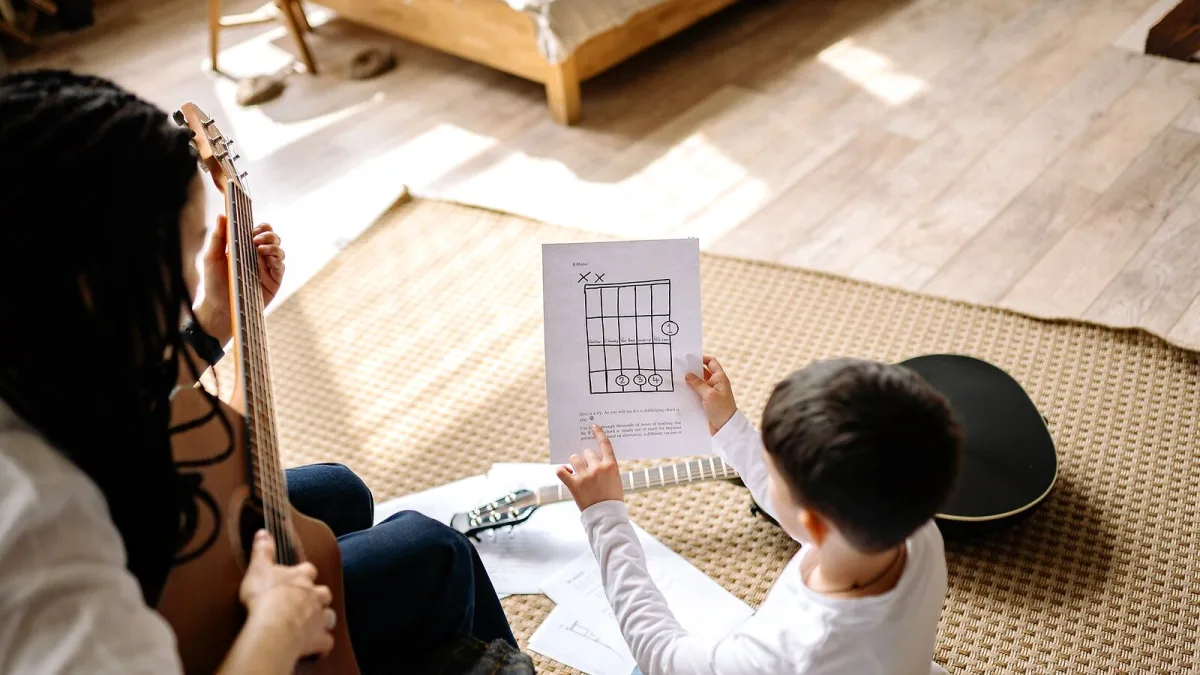
If a Gibson Hummingbird is the guitar that's caught your eye as an actual beginner, first: good taste. Second: let's be honest about whether it's a sensible first purchase, because "iconic" and "beginner-friendly" aren't automatically the same thing. The short version is that it can work brilliantly, provided you go in with realistic expectations.
The Genuinely Good News: Why a Gibson Hummingbird Suits a Beginner
The Hummingbird's 24.75-inch scale length is shorter than a typical dreadnought's, which generally means lower string tension at standard tuning. For a beginner still building calluses and left-hand strength, that's a real, practical advantage — chords simply take less effort to fret cleanly. Combine that with a body designed for strumming power, and you've got an instrument that rewards exactly the kind of playing most beginners start with: open chords and rhythm work, rather than demanding lead technique out of the gate.
The Honest Trade-Off: Cost
A genuine Gibson Hummingbird, even at the entry point of the current range, is not a cheap first guitar by most standards. That's the real question to answer honestly before anything else: are you confident enough that the hobby will stick to justify that outlay now, or would you rather confirm that first? Neither answer is wrong.
A Sensible Way In: Start With Epiphone
This is where I'd point most nervous first-timers. Epiphone's Hummingbird versions get you the shape, a genuinely usable version of the tone, and the same short-scale comfort, at a fraction of the outlay. It's not the same instrument as a Gibson USA model — different factory, different build — but for learning chords, developing technique and working out whether this body style genuinely suits you, it does the job extremely well. You can always move to a Gibson once you know the hobby has stuck.
What NOT to Worry About Yet
There's a lot of detailed history around this model — nut widths that changed across the 1960s, discontinued adjustable saddles, shifting bracing patterns. None of that matters for your first guitar. Buy current production, from either Gibson or Epiphone, and every one of those historical quirks becomes someone else's problem, not yours. Save the vintage rabbit hole for later, once you actually know what you're listening for.
Setting Up for Success From Day One
- Get a proper setup at purchase. Correct action and intonation make an enormous difference to how easy a guitar feels, especially in your first months.
- Start with the strings it comes with. A light phosphor-bronze set, commonly around .012–.053, is a sensible beginner-friendly starting point — don't rush to change gauge before you've built basic technique.
- Keep it humidified properly. Solid-wood acoustics, Gibson or Epiphone, are sensitive to dry conditions. A simple case humidifier is a small investment that prevents a genuinely costly problem.
Learning the Instrument, Not Just the Model
A Hummingbird won't make chord changes easier or barre chords less annoying — no guitar does that part for you. What it will do is reward the strumming, singer-songwriter style playing it was built for, which happens to overlap nicely with what most beginners are working on anyway. For the fuller picture of what makes this specific model tick once you're past the basics, our guide to its history and sound is worth reading, and our buyer's guide covers the fuller decision once you're ready to spend more.
The Bottom Line
A Gibson Hummingbird can absolutely work as a beginner's guitar, thanks to its comfortable short scale and strumming-friendly design — just be honest about the cost, consider starting with Epiphone if you're not certain the hobby will stick, and ignore the vintage-spec history entirely until you're further along. Get those calls right and this is a genuinely rewarding first serious acoustic.






Comments