


Gibson Guitars roundup
The Best Gibson Guitars for the Money
Best for the money is a different question from best guitar. Here's how the real Gibson tiers stack up, and where an Epiphone genuinely wins.
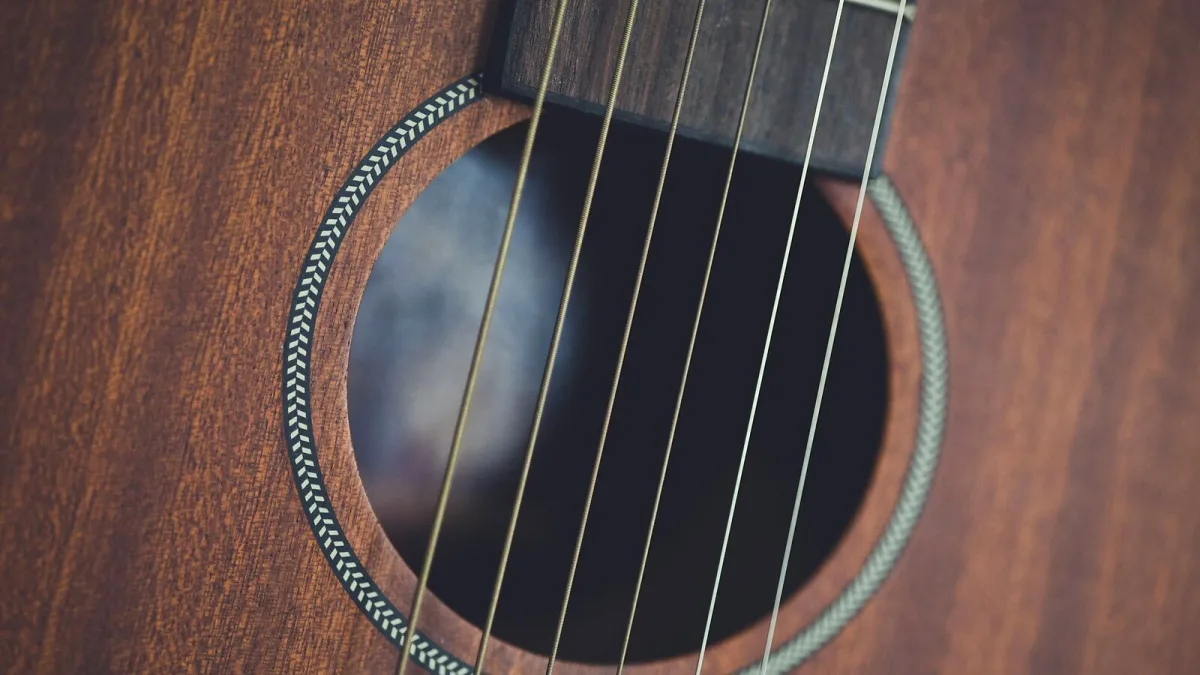
"Best for the money" is a genuinely different question from "best guitar", and it's worth answering honestly rather than just pointing at the most expensive option and calling it a day. Here's how the real tiers of Gibson guitars stack up, which models tend to earn their keep at each one, and where an Epiphone genuinely beats paying full Gibson price.
A Quick Note on How This List Works
Specific prices and stock change constantly, so rather than quote figures that will be out of date by the time you read this, this breaks things down by tier and what you're actually paying for at each one. That's the part that stays useful regardless of when you're shopping.
Best Entry Point: Epiphone
Epiphone is Gibson's own more affordable line, built to the same broad shapes — Les Paul, SG, ES-335, J-45 — at a considerably lower price point. For most players working out which body shape actually suits them, this is genuinely the smartest place to start, rather than stretching for a full-price Gibson before you know whether a Les Paul's weight or an SG's balance actually works for you.
Best All-Rounder Electric: Gibson Original Collection Les Paul or SG
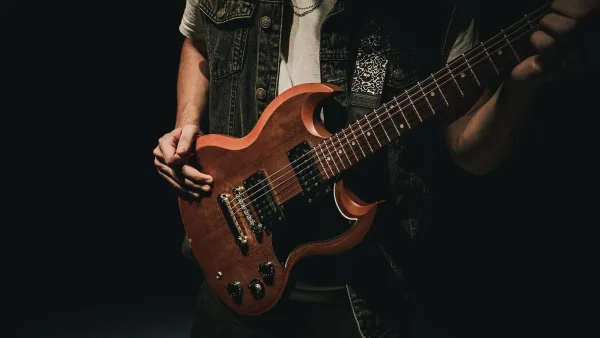
Once you're ready to buy proper Gibson guitars rather than Gibson-shaped ones, the Original Collection sticks close to traditional specifications — mahogany construction, set necks, classic humbucker voicing — without the premium of a Custom Shop instrument. A Les Paul Standard or SG Standard from this range gives you the genuine Gibson sound and construction that everything else in the catalogue is judged against.
Best Acoustic for the Money: The Hummingbird
Gibson's square-shoulder Hummingbird is one of the most recognisable acoustic body shapes the company makes, prized for a punchy, low-end-forward sound that suits strumming and rhythm work particularly well. It sits within the same Original Collection thinking as the electrics above: a genuinely classic design rather than a stripped-back budget model, which is exactly why it's held its reputation for decades. If a round-shoulder sound suits you better, the J-45 covers similar ground with a different tonal balance — worth trying both before deciding.
Best for Contemporary Features: Gibson Modern Collection
If slimmer neck profiles, updated electronics or more contemporary playability matter to you more than historical accuracy, the Modern Collection is where to look. You're paying for genuine usability upgrades here, not just a name change on an old design. For players coming from more modern-feeling instruments, this tier often closes the gap without sacrificing the tonal character that makes people choose Gibson in the first place.
Best for Collectors and Purists: Gibson Custom Shop
Custom Shop and artist-signature instruments sit at the top of the range, and it's worth being honest about what that premium buys you: historically accurate recreations, premium materials and finish detail, and limited-run scarcity — not necessarily a proportional jump in basic playability over an Original Collection instrument. This tier makes most sense for players who specifically want that authenticity, rather than simply the most expensive option available. It's also where you'll find artist-signature instruments built to a specific musician's own specification, which can be a genuinely interesting way to try someone else's exact setup rather than a generic model.
How the Gibson Guitars Tiers Compare
| Tier | Best for | What you're paying for |
|---|---|---|
| Epiphone | Finding out which shape suits you | Familiar designs at accessible pricing |
| Original Collection | The genuine Gibson sound and feel | Traditional specification, classic construction |
| Modern Collection | Contemporary playability | Updated necks, electronics and features |
| Custom Shop | Authenticity and collectability | Historical accuracy, premium materials, scarcity |
Choosing Between Them
If you're not sure where to start, our beginner's guide makes the case for starting with Epiphone or an Original Collection instrument rather than reaching straight for the top tier. Once you know roughly what you want, our complete buyer's guide covers exactly what to check on the specific instrument in front of you, and our overview of the model families is worth reading if the terminology itself is still the confusing part.
The Bottom Line
Value across Gibson guitars isn't about the cheapest option or the most expensive one — it's about matching the tier to what you'll actually use. An Epiphone played every day beats a Custom Shop guitar left in its case, and a Hummingbird bought because it genuinely suits your playing beats either one chosen purely for the badge.





Comments