


Gibson Guitars roundup
Gibson Guitars: A Complete Buyer's Guide
The brand name on the headstock tells you almost nothing on its own. Here's what to actually check before buying a Gibson, in the order to check it.
Right, let's cut through the marketing copy. Buying Gibson guitars is a genuine investment, and the brand name on the headstock tells you almost nothing about whether the specific instrument in front of you is any good. Here's what I'd actually check, in the order I'd check it, before handing over any money.
Decide the Job First
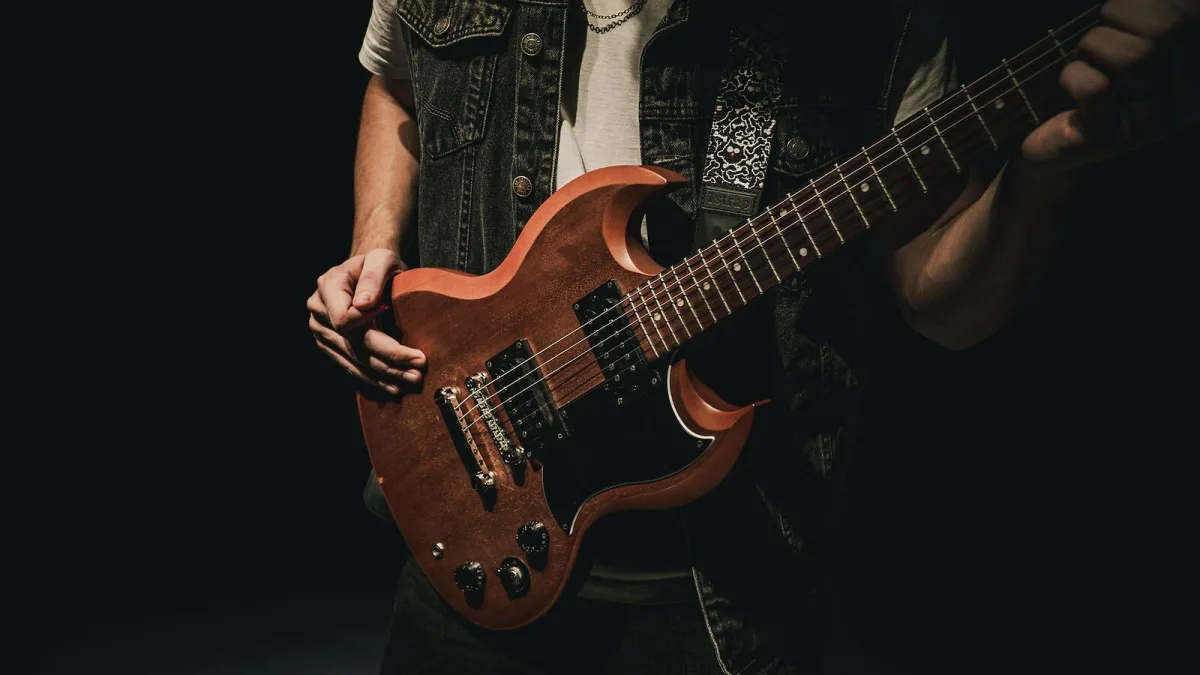
Gibson guitars cover a genuinely wide range of jobs, so work out what you actually want before you look at a single listing. A Les Paul suits players after thick humbucker tones and sustain. An SG prioritises light weight and easy upper-fret access. An ES-335 offers semi-hollow resonance that splits the difference between electric bite and acoustic warmth. A J-45 is built for acoustic accompaniment, while an SJ-200 trades some of that manageability for sheer volume and projection. Buying the wrong shape for the job is the single most common expensive mistake here.
Compare the Exact Spec, Not Just the Model Name
"Les Paul" on its own tells you almost nothing — it could be a Standard, Studio, Modern, Custom Shop reissue, signature model or limited edition, and these differ in body weight, top construction, neck profile, fretboard wood, pickups, wiring, nut width, scale length, bridge, tuners and finish. Get the full specification sheet for the exact model and year, not just the family name, before you compare price against anything else.
Test the Neck and Balance Yourself
Gibson neck profiles range from slim to properly substantial, and that's entirely a matter of personal feel, not a spec you can judge from a photo. SG balance and Flying V seated ergonomics are particularly individual instrument to instrument, so play it sitting down as well as standing before you decide.
Inspect the Setup, Not Just the Badge
A famous name doesn't excuse sloppy fretwork. Check intonation, action, neck relief, nut slots, tuning stability and pickup height on the actual instrument in front of you. A guitar with a poor factory setup can feel far worse than its specification suggests, and a proper setup afterwards can transform one that felt disappointing on the shop floor.
Weight Matters More Than the Spec Sheet Admits
Individual Les Paul examples can vary noticeably in weight even within the same model line. If you're buying in person, actually hold it for a few minutes rather than a few seconds. Buying remotely? Ask the seller for the documented weight before you commit.
Buying an Acoustic? Check the Structural Basics Too
For any Gibson acoustic, look closely at the bridge, check for top bellying, confirm the neck angle is sound, and inspect for fret wear, cracks or signs of prior repair. Humidity damage is a real risk with solid-wood acoustics, and it's far cheaper to walk away from a problem instrument than to fix one after the fact.
New, Used or Custom Shop: Know What You're Actually Paying For
Limited editions, artist models and Custom Shop instruments carry premiums that reflect scarcity, historical accuracy and fine appointments — not necessarily a proportional jump in basic playability. Don't assume price maps neatly onto tone: a lower-priced Gibson, or an Epiphone built to a similar shape, may genuinely suit a particular player better than something several times the cost.
Buying secondhand or vintage Gibson guitars? Verify serial numbers, repair history and any replaced parts, since provenance can materially affect both value and long-term reliability.
Budget Beyond the Guitar Itself
Set some money aside for a professional setup, decent strings, and periodic fret or nut work. These small, unglamorous costs improve how an instrument actually plays far more reliably than chasing a slightly higher spec model.
A Quick Gibson Guitars Buyer's Checklist
- Exact model, year and full specification — not just the family name
- Neck profile and balance, tested in person if at all possible
- Setup quality: intonation, action, neck relief, tuning stability
- Weight, especially on solid-body electrics
- Structural condition and humidity history, for acoustics
- Provenance and serial number, for anything secondhand or vintage
Want the wider picture of the model families first? Our overview of Gibson's guitars and types covers that groundwork, and if budget is the deciding factor, our roundup of the best options for the money breaks down what each price tier gets you.
The Bottom Line
Buying Gibson guitars doesn't need to be complicated, but it does take a bit of patience. Match the shape to the job, check the exact spec rather than trusting the model name, and inspect the instrument itself rather than the badge on the headstock. If you're buying your very first one, our beginner's guide is a gentler starting point, and our list of common mistakes to avoid is worth reading before your card comes out.






Comments