


Gibson Acoustic Guitar roundup
Gibson Acoustic Guitar: A Complete Buyer's Guide
The honest buying guide: choose body size before model name, know your tonewoods, and the checklist for inspecting a used Gibson properly.
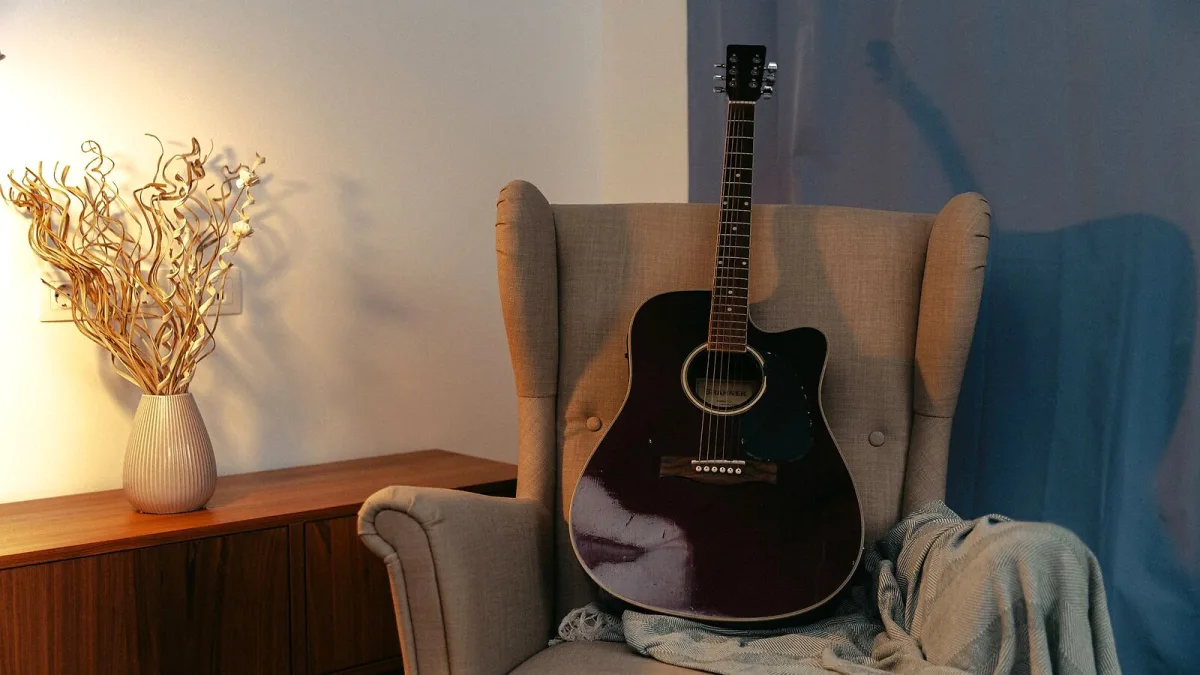
Right, let's cut through the marketing copy. Buying a Gibson acoustic guitar is a proper investment, so it pays to know exactly what you're checking before you hand over your card, whether it's brand new off the wall or second-hand from a classified ad. Here's the honest version, pros and cons included.
Start With Body Size, Not the Model Name
Don't fall into the trap of picking a guitar because you like the name Hummingbird or SJ-200. Work out first whether you actually want a small body, a round-shoulder dreadnought, a square-shoulder dreadnought, or a full jumbo — because that decision affects comfort, volume and tone far more than any specific model badge does. A big jumbo body sounds powerful but can be genuinely hard work for a smaller player to hold comfortably for a two-hour session. A small body is comfortable and focused but won't move the same amount of air as an SJ-200.
The Gibson Acoustic Guitar Tonewood Question
You'll see spruce tops paired with mahogany, maple or rosewood back and sides across the catalogue, and each pairing nudges the sound in a real but not absolute direction:
| Wood | What it tends to add |
|---|---|
| Spruce (top) | Clear attack, dynamic range, projection |
| Mahogany (back/sides) | Warmer, drier, mid-focused |
| Maple (back/sides) | Clarity, separation, common on jumbos |
| Rosewood (back/sides) | Extended bass and treble, longer sustain |
Treat these as tendencies, not guarantees — bracing, body size and setup all matter as much as the wood spec on paper.
Neck and Playability Checklist
Play before you buy wherever possible, and pay attention to:
- Nut width and neck profile — comfort varies more than people expect between models.
- Scale length — shorter scales (common on some small-body guitars) ease string tension and fretting; longer scales can firm up projection.
- 12-fret or 14-fret neck join — affects where the body meets the neck and how far up the fretboard feels comfortable.
- Overall body depth — deeper bodies add air and volume but also bulk against your body while playing.
If You'll Play It Live
An unplugged Gibson acoustic guitar and an amplified one are two different experiences, so if stage use matters to you:
- Test the instrument through the actual amp, PA or preamp you'll be using, not just acoustically in the shop.
- Check for feedback at realistic stage volumes, not just bedroom levels.
- Try the pickup's response across fingerstyle, flatpicking and hard strumming, since electronics don't always respond evenly to all three.
- Don't judge the amplified tone by the unplugged one — they can differ more than you'd expect.
Recent models like the Songwriter Recording Artist range use L.R. Baggs HiFi electronics, which is worth knowing if you're comparing pickup systems specifically.
Buying Secondhand? Check These Before You Pay
Used Gibsons can be excellent value, but do your homework:
- Neck relief and action at the 12th fret, for a sense of how much setup work is needed.
- Fret condition — wear indicates how much it's been played and what refretting might eventually cost.
- Bridge lift and top bellying — both point to structural issues that can be costly to fix.
- Cracks and finish damage, especially around the top and sides.
- Serial number and model designation — confirm it matches what you're being told you're buying.
- Repair history — ask specifically whether it's had a neck reset or bridge work.
For the full model-by-model rundown of what's actually in the current range, our guide to Gibson acoustic guitars covers the shapes and icons in more depth, and our best Gibson acoustics for the money piece can help narrow down a specific model once you know your body-size preference.
One Thing People Forget: Climate
Solid-wood construction, which is standard across Gibson's acoustic range, is genuinely sensitive to humidity. Too dry, and you risk fret ends poking out or the top sinking; too humid, and the action can rise and the top can distort. A calibrated hygrometer and proper humidification aren't optional extras — factor the cost and habit into your ownership plan from day one, not after something's gone wrong.
The Bottom Line
Buy on body size and playability first, wood and electronics second, and always inspect a used instrument properly rather than trusting a good photo. Get that right and you'll end up with a guitar that suits how you actually play, not just one that looked good in the shop window. If you want the mistakes people make after they've already bought one, see our piece on common Gibson acoustic guitar mistakes to avoid.






Comments