


Yamaha Bass Guitar roundup
Yamaha Bass Guitar: A Complete Buyer's Guide
Standing in a shop full of look-alike basses is no fun. Here's the honest, human way to work out which Yamaha is actually right for you.
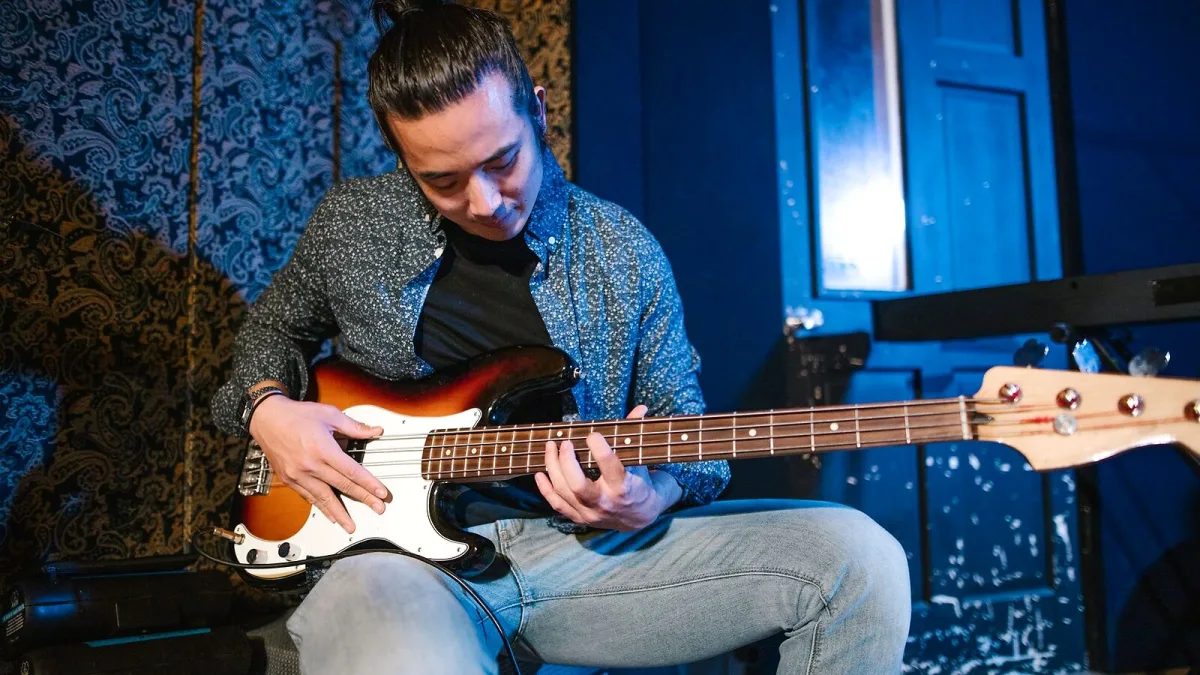
I remember standing in a guitar shop in Denmark Street years ago, completely overwhelmed by a wall of basses that all looked roughly the same to my untrained eye. A patient shop assistant pointed at three different Yamahas and explained why they weren't interchangeable at all. That conversation is basically this guide. If you're about to buy a Yamaha bass guitar and want the honest version rather than a spec sheet, here's what actually matters.
Work Out What You'll Actually Be Doing With It
Before you look at a single model number, be honest with yourself about how you'll use the thing. Are you learning in your bedroom? Joining a covers band that plays everything from Motown to modern pop? Chasing a specific low-end rumble for doom-laden riffs? A Yamaha bass guitar bought for the wrong job will always feel slightly wrong, no matter how well it's built.
Yamaha's own range is deliberately broad for exactly this reason. The BB series is the traditional choice — punchy, direct, built for players who want a bass that just sits right in a mix without fiddling. The TRBX series is more of a modern all-rounder, split into tiers so there's a sensible option whether you're spending your first pay cheque or upgrading a decade-old bass.
Passive or Active — What It Means for You, Not the Spec Sheet
Shops love to throw around "active electronics" like it's automatically the better option. It isn't — it's just a different kind of better. A passive bass runs straight off its pickups, with a simple tone and volume control. There's a lovely honesty to that: the sound comes from you, your fingers, and the instrument, full stop.
An active bass adds a powered preamp, usually with a proper EQ, so you can shape the sound more aggressively — useful if you're recording a lot or playing rooms with wildly different acoustics. Yamaha's BB700 models pair active and passive modes with a three-band EQ, so you genuinely get the flexibility of both. The catch is a 9-volt battery that will, inevitably, die five minutes before a gig if you forget to check it.
- New to bass or want zero fuss: go passive
- Recording, home studio, or playing lots of different venues: active or active/passive earns its keep
- Either way, ask the shop to demo both through an amp before you decide — the difference is obvious once you hear it
New, Second-Hand, or Somewhere in Between
Yamaha basses hold up well, which makes second-hand a genuinely good option if your budget's tight. A used TRBX or BB from a reputable seller can be a smarter buy than a brand-new budget instrument from a different maker, provided you check the neck for warping, the electronics for crackle, and the frets for wear. If you're buying new, you also get the reassurance of a warranty and a setup that hasn't been battered by a previous owner's questionable string choices.
| Buying route | Upside | Watch out for |
|---|---|---|
| New | Warranty, factory setup, latest spec | Costs more for the same tier of instrument |
| Second-hand | More bass for your money | Wear, past repairs, no warranty |
| Ex-demo/B-stock | Near-new at a discount | Limited stock, cosmetic marks |
Scale Length and Whether Five Strings Are Worth It
Most players are perfectly happy on a standard 34-inch, four-string Yamaha, and honestly, that's where I'd start if you're not already committed to a low-B sound. If you do need that extra range — for modern metal, gospel-influenced playing, or just because you love the growl of a low B — Yamaha's TRB five-string models use a longer 35-inch scale to keep that bottom string properly taut rather than floppy. It's a genuine consideration, not a gimmick, but it also means a bigger stretch for your fretting hand, so try one in person before you commit.
Setting a Realistic Budget
Yamaha spreads its bass guitars across a wide price range, and the good news is that quality control stays impressively consistent even near the bottom of it. As a rough guide:
- Entry level: a TRBX170-series instrument — simple, reliable, and genuinely gig-capable once set up properly
- Mid-range: TRBX300/500 or a passive BB — noticeably better hardware and finish
- Higher end: TRBX600, active BB700, or a TRB five-string — professional specification and tone-shaping options
- Signature territory: the Attitude series, built around Billy Sheehan's own playing
If you want a deeper look at the full family tree before you decide, our Yamaha bass guitar explainer breaks down BB, TRBX, TRB and Attitude in more detail, and if you'd rather jump straight to specific recommendations at each price, see the best Yamaha basses for the money.
Questions Worth Asking Before You Hand Over Your Card
A few honest questions save a lot of regret. Does the neck feel comfortable in your hands specifically, not just "fine" in general? Is the setup already dialled in, or will you need a tech visit straight after buying? Does the shop offer a return window if something feels off once you've lived with it for a week? And — the one people forget — do you actually like how it sounds unplugged, since that honesty carries through once it's amplified.
Buying a Yamaha bass guitar doesn't have to be complicated. Decide how you'll play it, be honest about your budget, try before you buy wherever you possibly can, and trust your hands over the spec sheet every time.





Comments