


Yamaha Bass Guitar article
Common Yamaha Bass Guitar Mistakes to Avoid
The same handful of avoidable slip-ups crop up again and again in new bassists. Here's how to sidestep them before they cost you.
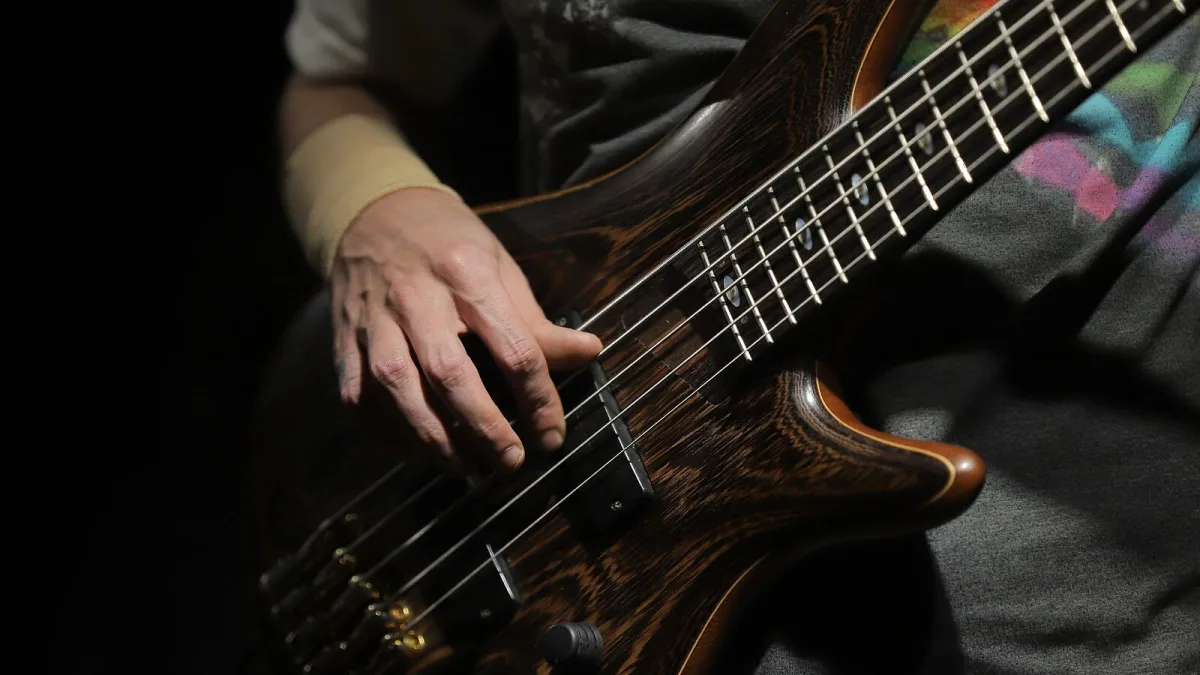
I've watched enough friends buy their first proper bass to notice the same handful of mistakes cropping up again and again. None of them are stupid decisions — they just come from not knowing what you don't know yet. If you're about to buy or already own a Yamaha bass guitar, here are the slip-ups worth sidestepping.
Mistake One: Buying the Wrong Scale for Your Hands
A five-string TRB with its longer 35-inch scale looks impressive, but if you've got smaller hands or you're still building strength, that extra reach can turn practice into a fight before you've even learned a scale. Most players are genuinely well served by a standard 34-inch four-string, and there's no shame at all in staying there. Buy for the music you're actually playing, not the range you might theoretically need one day.
Mistake Two: Ignoring the Setup Completely
A brand-new Yamaha bass guitar can still feel awkward straight out of the box if the setup hasn't been checked for your string gauge and playing style. Neck relief, action height and intonation all drift slightly in transit and with seasonal humidity changes. Yamaha's own guidance points to roughly 0.015 inches of relief at the seventh fret as a starting reference, adjusted gradually and never forced. Skipping this step is the single most common reason a perfectly good bass gets blamed for feeling "wrong".
Mistake Three: Choosing Active Electronics for the Wrong Reason
Active basses with onboard EQ sound impressive on paper, and plenty of people buy one purely because it feels like the "better" option. But an active preamp without a clear reason to use it just means more knobs to accidentally leave in a bad position, plus a battery to remember. If you can't yet describe what tone you're chasing, a passive Yamaha will serve you better and won't die on you mid-set.
| Mistake | Why it bites | Better approach |
|---|---|---|
| Wrong scale length | Uncomfortable reach, slower progress | Match scale to your hands and your music |
| Skipping setup | Buzzing, poor intonation, bad first impression | Get relief, action and intonation checked |
| Active for no reason | Unnecessary complexity, battery anxiety | Start passive, upgrade once you know why |
| Cheap strings and cables | Dull tone, intermittent crackle | Budget for both, not just the bass |
Mistake Four: Forgetting Strings and Cables Are Part of the Instrument
People will happily spend hundreds on a bass and then plug it in with a five-pound lead that's been trodden on twice. A tired cable or old, dead strings will make even a genuinely good Yamaha bass guitar sound flat and lifeless, and it's an easy thing to blame on the instrument instead. Fresh strings and a decent lead cost far less than a second bass bought in frustration.
Mistake Five: Judging the Tone Before It's Properly Set Up
This one catches people constantly. You play a bass in a shop with a dodgy amp and old strings, decide it "just doesn't sound like the reviews said", and walk away from something that would have been great once properly dialled in. Judge an instrument's bones — the neck feel, the fret work, how it resonates unplugged — rather than a snapshot of its tone on a bad day.
Mistake Six: Overlooking the Whole Signal Chain
Your Yamaha bass is only one link in the chain. Pickup selection, tone settings, string choice, your amp, and even the room you're playing in all shape the final sound as much as the instrument itself. Blaming the bass for a bad tone before you've checked every other link is one of the most common — and most easily fixed — mistakes going.
Mistake Seven: Leaving It Leaning Against a Wall
It looks casual and rock and roll, but a bass propped against a wall is one stray knock away from a cracked headstock, and it's a surprisingly common way for a good instrument to meet an early, entirely avoidable end. A proper stand costs very little next to the price of the bass it's protecting. The same goes for storage between sessions — a case in a stable room beats a corner of a cold garage, since sudden temperature and humidity swings can affect the neck, the finish and the glue joints over time far more than most people expect.
Getting It Right From Here
None of this is complicated once you know it, which is exactly why it's worth reading before you spend your money rather than after. If you're still deciding which model to go for, our Yamaha bass guitar buyer's guide covers that groundwork properly, and the full range explainer is worth a read if the model names still feel like alphabet soup. Avoid these handful of slip-ups and you'll get far more out of the instrument, right from the first time you plug it in.






Comments