


Loop Pedal article
Loop Pedal for Beginners: A Complete Guide
That first clean, in-time loop is a genuinely lovely moment — here's a gentle, step-by-step way to get there without the overwhelm.
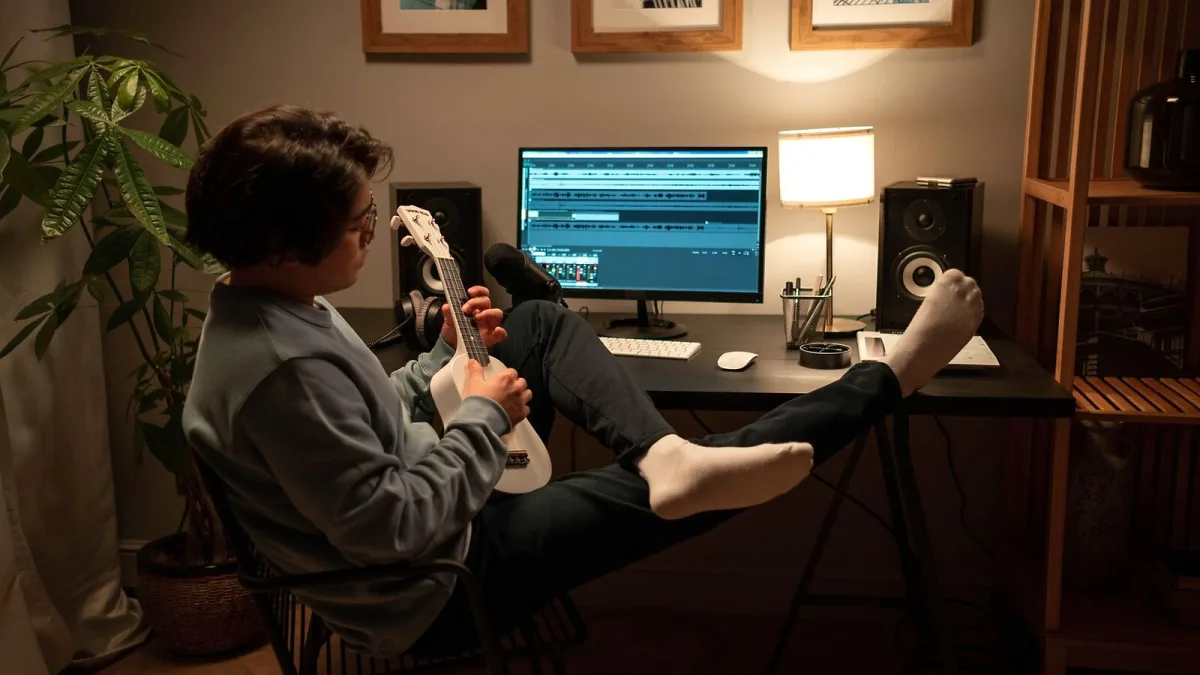
The first time you get a loop to actually work — hear yourself play back over your own playing, in time, without a click or a stumble — is a genuinely lovely little moment. It also trips people up more than it should, mostly because nobody tells beginners that timing, not gadgetry, is the whole game. Here's a gentle way in, one step at a time.
Start Smaller Than You Think You Need To
The temptation with a new loop pedal is to try something ambitious straight away — a full verse, a key change, three layers at once. Resist it. A short, rhythmically simple loop, just a couple of bars long, will show you immediately whether your timing is off, and it's far less frustrating to fix a two-bar mistake than an eight-bar one.
Learning the Controls Without Overwhelming Yourself
Most loop pedals boil down to a small handful of actions, even if the manual makes it look complicated:
- Record — press to start capturing, press again to close the loop.
- Overdub — layer something new on top while it keeps playing.
- Undo — a genuine lifesaver; it removes just your last layer, not the whole loop.
- Stop and Clear — stop pauses playback, clear wipes it so you can start fresh.
On simpler pedals, one footswitch often does several of these depending on how you tap it — a single press, a double tap, a long hold. Spend five minutes just pressing the switch in different ways before you try to make music with it, so the behaviour becomes familiar rather than something you're guessing at mid-song.
Your First Loop, Step by Step
Here's a simple first exercise that works well precisely because it's forgiving:
- Set a slow metronome or a simple drum pattern if your pedal has one, so you've got something steady to lock onto.
- Record a two- or four-bar chord progression, starting cleanly on the first beat.
- Let it loop a few times and just listen — does it feel seamless, or is there a stumble at the seam?
- Add one simple rhythm or muted-percussion layer on top.
- Add a short melody line over that.
- Use undo to remove the melody, just to feel how forgiving the process is.
- Stop, clear the loop, and do the whole thing again until it feels boring rather than nerve-wracking.
That last point matters more than it sounds. Boring means you've internalised it.
Why It Might Sound a Bit Off at First (and Why That's Fine)
If your loop clicks or stumbles at the seam, it's almost always a timing issue rather than a faulty pedal — you started or ended the phrase a fraction early or late. If it sounds thin or muddy compared to what you hear online, that's often the room, your strings, or simply that a professional recording has had far more polish than your first attempt ever will. Neither problem means you're doing it wrong; they're just the normal texture of learning a new instrument.
Building Confidence From Here
Once a simple loop feels natural, try recording just a rhythm part and soloing over it — it's a brilliant, low-pressure way to practise improvising without needing anyone else in the room. From there, experiment with where your other effects sit before or after the loop pedal in your signal chain, since that changes whether they get baked into the loop or applied on top of it afterwards. If you want the fuller picture of how these pedals work and the different types available, our loop pedal overview is a natural next stop, and our piece on common mistakes to avoid will save you from a few habits that are much easier to skip than to unlearn.
The Bottom Line
You don't need to understand every feature to get real enjoyment out of a loop pedal on day one. Keep your first loops short and simple, get comfortable with record, overdub and undo, and let your ear tell you when the timing's right. Everything more advanced builds naturally on top of that.






Comments