


Loop Pedal roundup
Loop Pedal: A Complete Buyer's Guide
The spec sheet stops being marketing noise once you know what it's actually telling you — here's how to choose the right loop pedal for how you play.
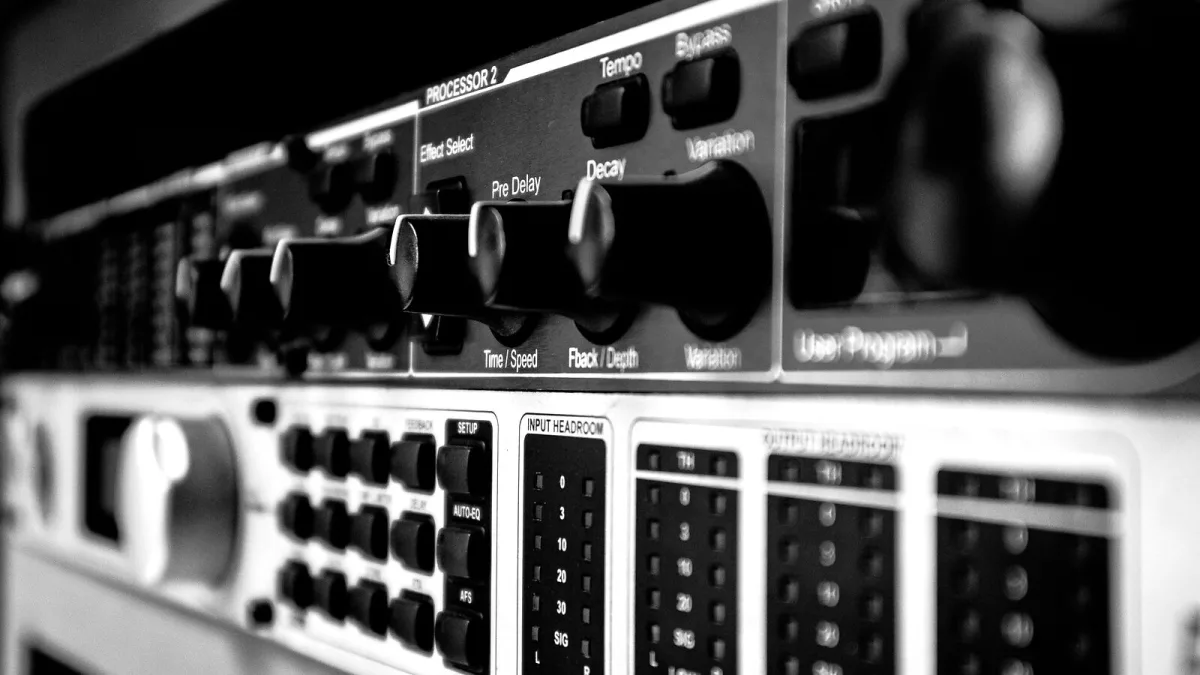
There's a satisfying bit of engineering hiding inside every loop pedal — a small real-time recorder that has to capture, play back and layer audio without introducing a single audible glitch. Understanding roughly how that works makes choosing one a lot easier, because the spec sheet stops being marketing noise and starts telling you something useful. Here's what to actually check before you buy.
The First Decision: What Category Do You Need?
| Category | Strength | Watch out for |
|---|---|---|
| Single-loop stompbox | Cheap, simple, small footprint | Layers usually merge into one combined loop — you can't mute one part later |
| Dual/multitrack floor unit | Independent control over separate parts live | More footswitches to learn, higher cost |
| Tabletop looper | Hand-operated, ideal for vocalists and producers | Less practical if your hands are busy playing an instrument |
Get this decision right first. Everything below is about refining the choice within whichever category actually fits how you perform.
Recording Time and Memory: Read the Fine Print
Manufacturers quote big total-memory numbers, but that figure can be misleading. What you actually need to know is:
- Total recording time — the overall capacity across everything stored.
- Time available per individual phrase — a large total doesn't guarantee a single loop can use all of it.
- Number of phrase memories — how many separate loops you can save and recall.
- Whether loops survive a power cycle — some units lose everything the moment you unplug them.
If you plan to build up a personal library of backing loops for practice or writing, prioritise saved phrase memories. If you just need to loop live and move on, raw per-phrase time matters more.
Inputs: Match the Pedal to What You're Plugging In
A basic guitar-focused unit typically offers just a ¼-inch instrument input and output, which is fine if that's all you'll ever plug in. Once your setup gets more ambitious, check for:
- XLR microphone input — essential for vocalists, and check whether phantom power is supplied if you're using a condenser mic.
- Stereo in/out — useful if you're running a stereo effects chain or keyboard rig.
- Line-level inputs — for mixers, synths or playback devices that shouldn't be treated as instrument-level signals.
- MIDI and USB — relevant if you want the unit to sync with a drum machine, DAW or lighting rig, largely irrelevant if you don't.
Buying MIDI and stereo I/O you'll never use is a common way to overspend, so be honest about your actual rig before paying for connectivity.
Where It Sits in the Signal Chain
This trips a lot of buyers up, so it's worth understanding before you shop: effects placed before a loop pedal get baked permanently into whatever you record, while effects placed after it apply to the loop and your live signal together. A basic chain looks like instrument or microphone into effects into looper into amplifier or mixer. If you want the flexibility to change your tone after a loop is already recorded, buy a unit with effects loop routing or plan your pedalboard order around that constraint from day one.
Stompbox or Full Loop Station: Weighing the Trade-off
Compact single-footswitch pedals from brands like TC Electronic's Ditto line win on price and pedalboard space, and they cover practice and simple songwriting perfectly well. Step up to something like BOSS's multitrack RC-series units or Headrush's Looperboard and you get independent tracks, onboard effects and proper hands-free control — genuinely useful for a full solo set, overkill for noodling at home. Budget ranges from brands such as Pigtronix, NUX, Donner and Lekato can be worth considering too, though it's sensible to check reviews on build quality and long-term support before committing, since feature lists at that price point vary a lot.
Power Draw: The Boring Spec That Actually Matters
A multitrack looper with a colour display draws noticeably more current than a simple single-switch pedal. On a crowded pedalboard sharing one power supply, that difference can genuinely matter — check the milliamp rating against what your supply can deliver before you assume everything will play nicely together.
Verdict: Match the Pedal to How You Actually Play
Buy the simplest unit that does what you genuinely need, not the one with the longest feature list. A guitarist building song ideas at home rarely needs MIDI sync or six independent tracks; a solo performer building a 45-minute live set probably does. Work backwards from your actual use case and the spec sheet stops being confusing. For the fundamentals of how these pedals work before you dig into models, our loop pedal overview is a good companion read, and if you're just starting out, the beginner's guide covers your very first session.






Comments