


Boss Drum Album article
Everything You Need to Know About Boss Drum Album
BOSS drum machines have been a staple of guitarists' practice setups and home studios for decades — this guide explains how they are used to build drum albums from patterns up to full recordings.
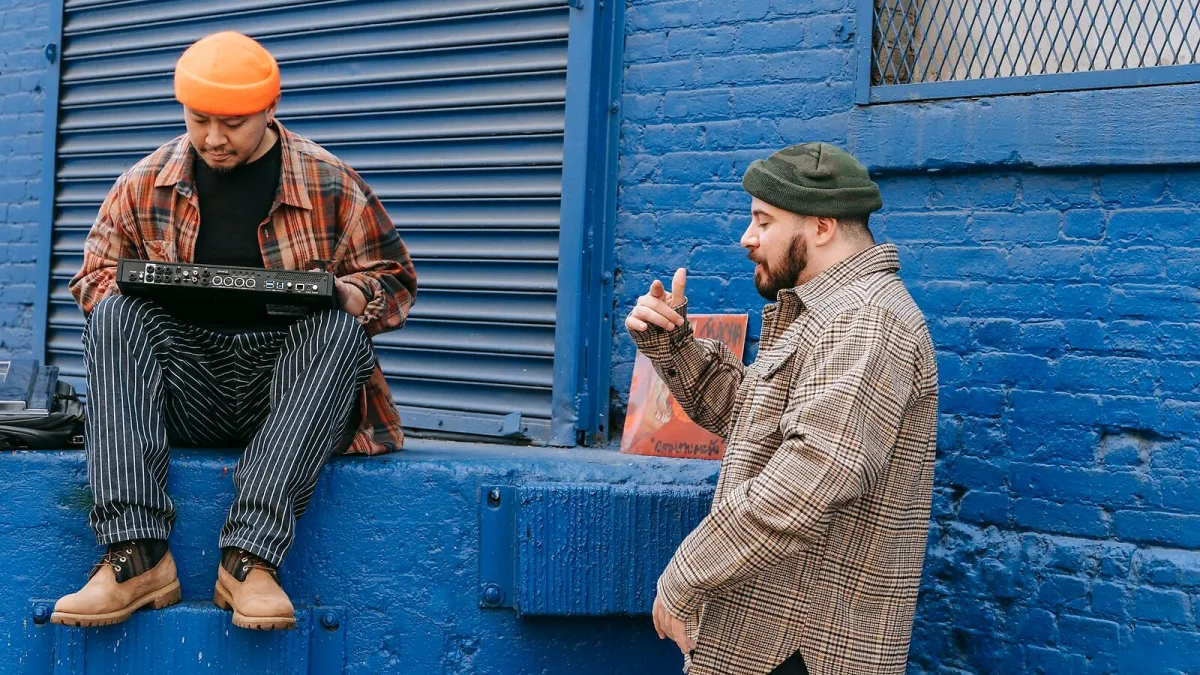
A boss drum album is a collection of drum tracks or rhythm patterns created using a BOSS drum machine — the DR series, the RC series with onboard rhythms, or combinations of the two. Guitarists and home recording enthusiasts use these machines to build full, realistic drum backing tracks without a live drummer, a recording session or a DAW subscription. The result is a set of usable drum recordings that sit under guitar, bass and keys parts in demos, home recordings and practice sessions.
BOSS has made rhythm machines under the Roland umbrella since the 1980s. The DR-55 Dr. Rhythm and its successors established a line of standalone drum machines used in studios and rehearsal rooms worldwide. The current DR-01S Rhythm Partner is the primary standalone unit aimed at individual players; the DR-880 Dr. Rhythm is a more fully featured production-oriented machine with over 400 preset patterns and 440 onboard sounds.
What Goes Into a Drum Album
Creating a boss drum album typically involves three stages: programming or selecting patterns, arranging them into song-length structures, and recording the output. On the DR-880, this is done entirely within the machine — patterns can be chained into full song arrangements and rendered to a stereo output. On the RC-600 Loop Station, drum patterns are layered with live performance material and then recorded as complete tracks. Both approaches produce the same end result: a set of drum recordings ready for overdubbing or mixing.
The practical advantage over using a DAW for drum production is immediacy. A guitarist can power on a BOSS drum machine, select a groove, dial in the tempo and start playing over it in under a minute. The workflow is tactile and does not require a computer. For the same reason, these machines remain popular in rehearsal rooms and live rigs where laptop-based setups are impractical.
Pattern Types and Sounds
BOSS drum machines include patterns covering a wide range of styles: rock, blues, jazz, funk, country, pop, Latin and more. The DR-880 has 200 preset patterns plus 200 user-programmable slots. Patterns can be edited at the individual hit level — velocity, timing, note value — which allows custom grooves to be built from scratch or adapted from presets. The onboard sound library includes multiple kits with different snare, kick and cymbal characters, selectable per-pattern.
The DR-01S has a simpler interface with 60 preset patterns and eight preset kits, targeted at players who want a quick, reliable practice tool rather than a full production machine. It adds a mic input for singing or acoustic instruments over the backing rhythm, which the DR-880 does not provide. Choice between the two depends on whether the goal is quick practice use or more detailed rhythm production.
Recording the Output
For a finished boss drum album, the stereo output of the drum machine goes to a recording interface, a portable recorder or the return of an audio mixer. The DR-880 has separate stereo outs and a headphones jack; the DR-01S outputs via a 3.5 mm stereo jack. Either can feed directly into an audio interface connected to a DAW, where individual tracks can be recorded and later overdubbed. For live use, the output connects to a PA or guitar amplifier via a direct box.
For more on which model suits a particular budget or use case, see our best guide and our buyer's guide. The beginner's guide covers the first steps in practical use.





Comments