


Tabla Drumming roundup
Tabla Drumming: A Complete Buyer's Guide
The set that looks most impressive in a photo is rarely the one that actually holds its tuning. Here's what genuinely matters.
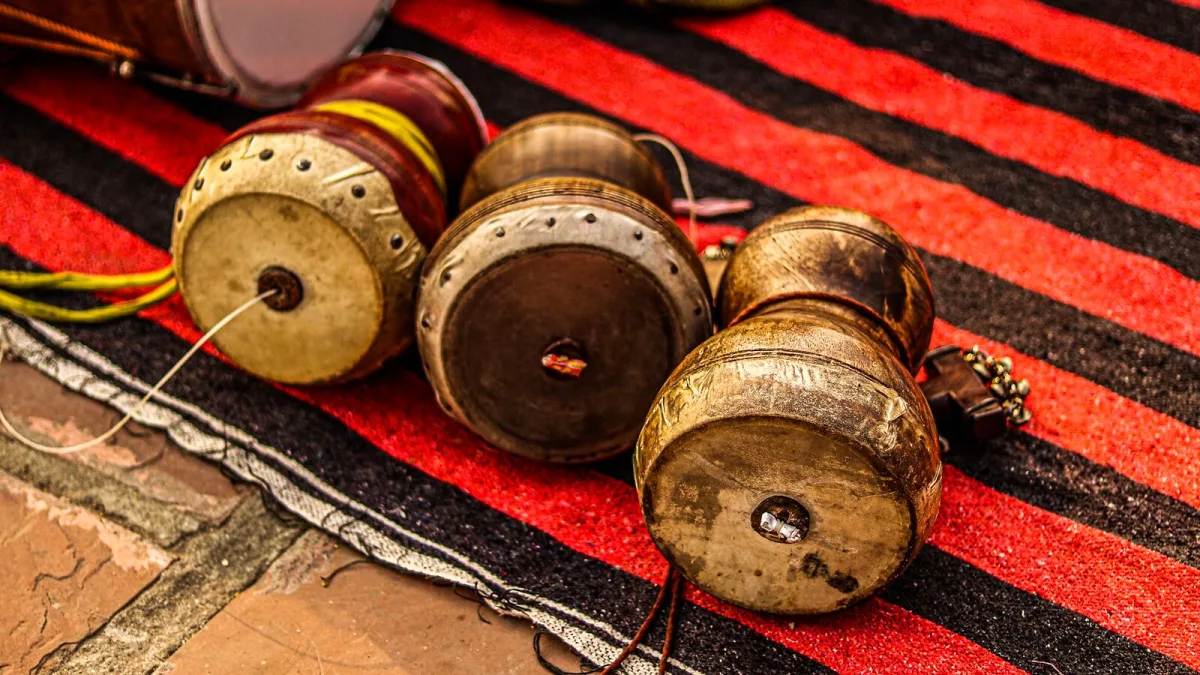
I've watched a beginner fall in love with a beautifully finished tabla set and take it home, only to spend months fighting a drum that simply wouldn't hold its tuning. Buying a tabla is one of those purchases where the thing that looks most impressive in a photograph is rarely the thing that actually matters. Let's talk about what genuinely does.
What you're actually buying: a matched pair
A tabla is always sold as two drums working together — the dayan and the bayan — and they need to be properly matched as a pair, not just two drums that happen to be sold in the same box. A mismatched set can leave you with two instruments that never quite sit together tonally, no matter how well either one is made individually. This is the single biggest reason buying a tabla in person, or from a maker with a real reputation, beats ordering blind from a photo.
Materials matter less than marketing suggests
You'll see plenty of buying guides insisting a particular wood or metal guarantees quality. Treat that scepticism seriously.
| Component | Common materials | What actually matters more |
|---|---|---|
| Dayan shell | Sheesham or teak | Even wall thickness and a properly seated head |
| Bayan shell | Brass, copper or steel | Weight balance and tone, not the metal's marketing reputation |
| Drumheads | Skin, with a central syahi patch | Even tension and syahi consistency across the head |
| Straps | Leather lacing (baddhi/tasma) | Condition and even tension, not just newness |
Claims that copper is inherently better than brass, or that one wood guarantees "professional" tone, are generally player preference and marketing language rather than settled technical fact. What actually separates a good set from a disappointing one is craftsmanship — even tension, a properly applied syahi, a head that hasn't been rushed — not the specific material listed in a product description.
What a genuine beginner set should include
- One dayan and one bayan, sold and evaluated as a matched pair.
- Two circular cushions or rings to seat the drums properly while playing.
- A tuning hammer for the gajara.
- A protective carrying case, since these drums travel less happily than you'd hope.
If a listing is missing any of this, budget for it separately rather than assuming you'll improvise later — a proper cushion in particular makes a real difference to how stable the drum feels under your hands.
Questions worth asking before you buy
- Have the dayan and bayan actually been tested and matched together, or just packaged together?
- Is the syahi evenly applied, without visible cracking or unevenness?
- Does the seller or maker have a real reputation, with reviews beyond generic star ratings?
- Can you hear a sound sample or, better, try the actual instrument before buying?
A word about "best of" buying guides
Plenty of online round-ups rank tabla sets with confident "professional-grade" language that isn't backed by transparent testing. Treat those rankings as a starting point for research, not a final verdict — a maker's actual reputation among players and teachers tends to matter far more than a retailer's marketing copy.
Where to go next
If you're still getting your bearings with the instrument itself, our guide to tabla drumming covers the fundamentals, and once you're ready to compare specific options, our roundup of the best tabla drums for the money breaks it down by budget.
The bottom line
Buying a tabla well means prioritising a genuinely matched pair and honest craftsmanship over wood type, metal choice or a glossy finish. Get that right, and the rest of the decision is far less stressful than the marketing makes it sound.




Comments