


Makala Ukulele article
Makala Ukulele for Beginners: A Complete Guide
The Makala ukulele is a forgiving starting instrument. This beginner's guide covers tuning, holding it correctly, your first chords, and how to practise effectively.
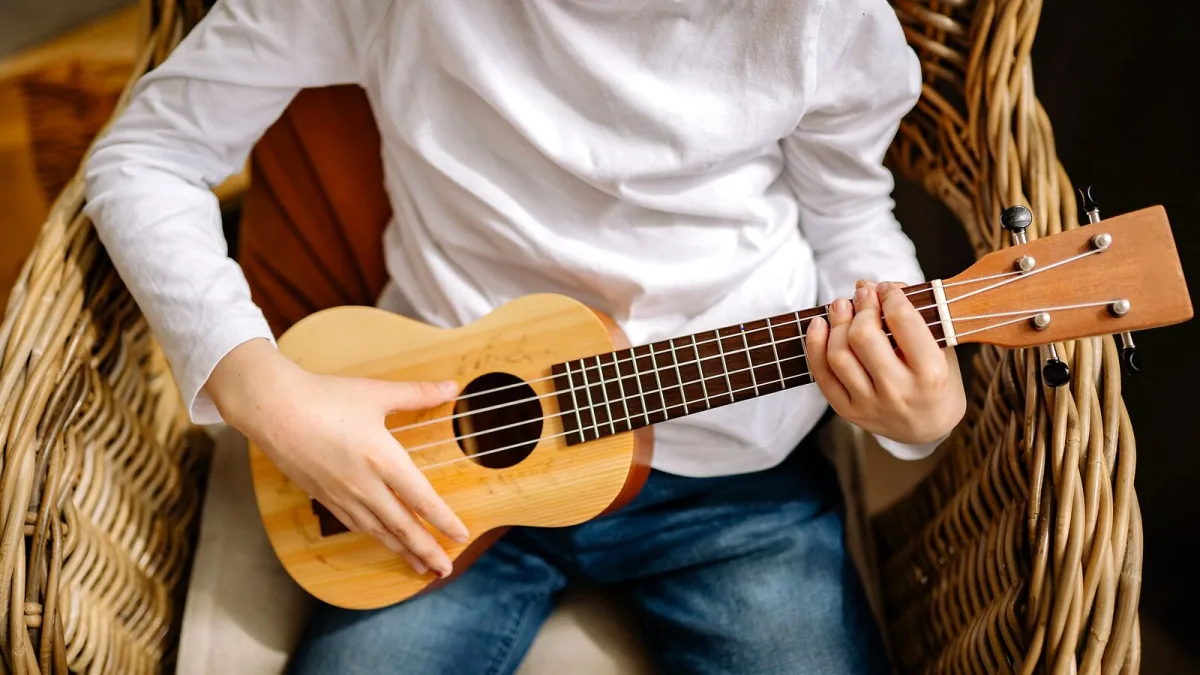
The Makala ukulele is one of the most frequently recommended starting instruments for new players, and there are good reasons for that. It is affordable, it plays reasonably well out of the box, and it's forgiving of the rough handling that comes with being a beginner. Getting started with it is a matter of a few basic things done in the right order.
Tuning First, Always
Ukuleles — and new ukuleles especially — go out of tune frequently while the strings are breaking in. This is normal and not a sign of a defective instrument. Before every practice session, tune the instrument. The standard tuning for soprano, concert, and tenor ukulele is G-C-E-A from top string to bottom (with the G being re-entrant — higher pitched than the C below it, not lower as you might expect from a guitar). A clip-on tuner is the simplest tool for this; clamp it to the headstock and pluck each string until the display shows the correct note. Chromatic tuner apps on a phone work as well and are free.
Holding the Instrument
The body of a Makala ukulele is small enough that holding it can feel awkward at first. The standard approach is to rest the body in the crook of your strumming arm, pressing the top of the instrument lightly against your chest or forearm. The neck runs horizontally to slightly upward. The instrument should feel secure without gripping it tightly — a light pressure from the strumming arm keeps it in place. If the neck keeps drooping toward the floor, a strap (attached to the soundhole or to a strap button) helps considerably.
Your First Chords
Start with C major — it only requires one finger, pressing the first string at the third fret with your ring finger. Strum all four strings down and that's a C chord. F major requires two fingers: index on the second string, first fret; middle on the fourth string, second fret. G major needs three fingers: index on the second string first fret, middle on the first string second fret, ring on the third string second fret. With C, F, and G you can play hundreds of songs. Learn to switch between those three before adding anything else.
Strumming
Keep strumming loose and relaxed — your wrist does most of the work, not your whole arm. A simple down strum on every beat is enough to start. Once that feels natural, try a down-down-up pattern: down on beats one and two, up on the "and" after beat two. Most beginner ukulele songs use variations of this pattern. Don't worry about getting it perfect immediately — rhythm develops with practice, and the important thing early on is to keep moving rather than stopping to start over every time you make a mistake.
Looking After the Instrument
Store it in its gig bag or case when you're not playing. Keep it away from direct sunlight and heat sources — particularly radiators, which can dry out the wood even in a laminate instrument. Wipe the strings down after playing to remove oils and sweat, which extends their life. At the Makala ukulele's price point, the strings are adequate but not exceptional; after a few months of regular playing, replacing them with a quality set (Aquila Nylgut is widely used) makes a noticeable improvement in tone and intonation.
For the full overview of the range, everything you need to know about Makala ukulele covers the models and what to expect. Buying advice is in the complete buyer's guide. Common beginner errors — beyond what this guide covers — are in common mistakes to avoid.
Enjoy the Process
A Makala ukulele rewards consistent short practice sessions more than infrequent long ones. Twenty minutes a day will show faster progress than two hours on a weekend. The instrument is genuinely fun to play, and the early milestones — first clean chord, first song played through without stopping — come quickly enough to keep motivation up. Stick with it past the initial awkward stage and you'll find the instrument becomes second nature.





Comments