


Darbuka roundup
Darbuka: A Complete Buyer's Guide
Egyptian or Turkish, ceramic or metal, natural skin or synthetic — here's how to actually choose a darbuka rather than buying by looks alone.
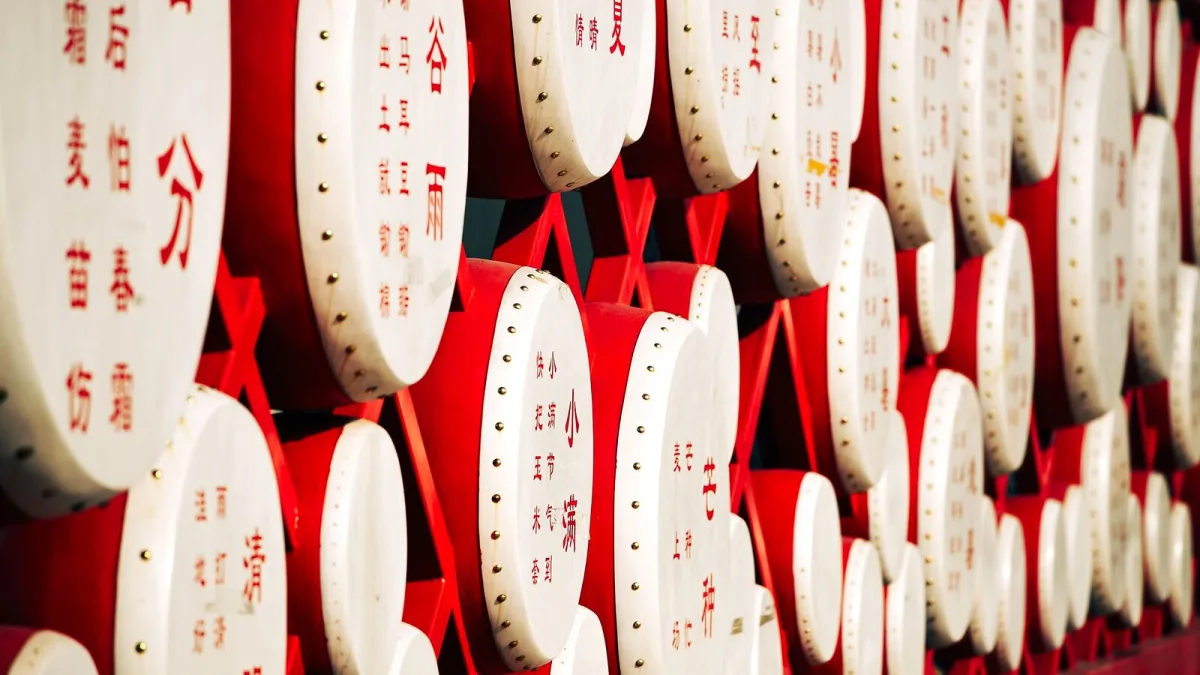
There's a particular kind of hush that falls over a folk session when someone unwraps a darbuka for the first time — everyone leans in a little, curious what that odd goblet shape is about to do. Buying the right one takes a bit more thought than the hush suggests, though, so here's how to choose sensibly rather than by looks alone.
Egyptian or Turkish: Which Suits You?
This is the first real fork in the road. Egyptian-style instruments have a rounded head edge, generally comfortable for a broader range of hand positions and suited to fuller, dance-accompaniment playing. Turkish-style instruments expose the head edge and typically use external tuning hardware, favoured by players chasing fast, crisp finger rolls. Neither is objectively better — it genuinely comes down to which sound and playing feel you're drawn to, and trying both in person, where you can, is worth far more than reading specifications alone.
Shell Material: Ceramic, Metal or Composite
Ceramic shells carry a distinctive, traditional resonance that many players genuinely love, but they're vulnerable to cracking if dropped or knocked, which matters if you're travelling to sessions or gigs regularly. Aluminium is light and durable, a sensible default for anyone who needs to carry their darbuka often. Copper or brass shells lean heavier, with a premium, traditional look that some players value for its own sake. None of these is universally "correct" — the right choice depends on how carefully the instrument will actually be handled and how far it needs to travel.
Natural or Synthetic Head?
| Head type | What to expect |
|---|---|
| Natural skin | Traditional, variable response; sensitive to heat and humidity; may need warming before playing |
| Synthetic | Stable tuning across conditions; easier maintenance; doesn't require pre-warming |
A synthetic head is the more forgiving choice for most players, particularly anyone new to the darbuka or playing in a room where temperature and humidity aren't easily controlled.
Size, Weight and Tuning Hardware
A larger shell generally offers more low-end body in the dum, while a smaller one stays lighter and easier to carry — worth weighing honestly against whether you'll mostly be sitting in one place or moving between venues. If tuning hardware matters to you, check whether the drum uses external tuning lugs or relies on a natural head's own response to heat; a player who needs reliable, repeatable pitch will generally get on better with a synthetic head and proper tuning bolts.
Reading "Authentic" and "Professional" Claims Honestly
Retail language around darbukas leans heavily on words like "authentic," "professional" and "concert quality," and none of them are regulated terms. Treat them as a starting point for further checking rather than a guarantee — look instead at actual shell material, head type, construction quality and, where available, genuine player reviews, rather than taking a listing's adjectives at face value.
Buying New or Secondhand
A secondhand darbuka can be a genuinely good route in, provided you check it properly first. Inspect a ceramic shell closely for hairline cracks, which can be hard to spot in dim shop lighting but will only get worse with playing. On a metal instrument, check the tuning hardware turns smoothly and the head sits evenly all the way round, since an uneven head is far more of a headache to fix than it looks. A well-cared-for used darbuka from a private seller or specialist shop can be excellent value, but anything arriving with visible damage or a musty, damp smell is worth walking away from.
What to Avoid Buying
- A ceramic shell with no protective case, if you'll be travelling with it regularly.
- An instrument with no clear indication of Egyptian or Turkish styling, when that distinction matters to how you intend to play.
- A natural-skin head as a first instrument if you're not prepared for the maintenance that comes with changing weather.
- Anything sold purely on "authentic" branding with no real detail about materials or construction.
My Buying Verdict
For most players starting out, an aluminium shell with a synthetic head strikes the most sensible balance of durability, stable tuning and manageable cost. Once you've got a feel for the instrument, our full explainer goes deeper into the construction details, and our best value picks can help you decide what to upgrade to. Completely new to the instrument? Our beginner's guide is the gentler place to start.
Bottom Line
Buy for how you'll actually use the instrument — where you'll play it, how often you'll carry it, and whether you're chasing a traditional resonance or a stable, low-maintenance response. Get that honest assessment right, and the Egyptian-versus-Turkish and material questions tend to answer themselves.






Comments