


Concert Ukulele roundup
Concert Ukulele: A Complete Buyer's Guide
Laminate, solid top or fully solid? Spruce or mahogany? Here is what each choice means for a concert ukulele in practice.
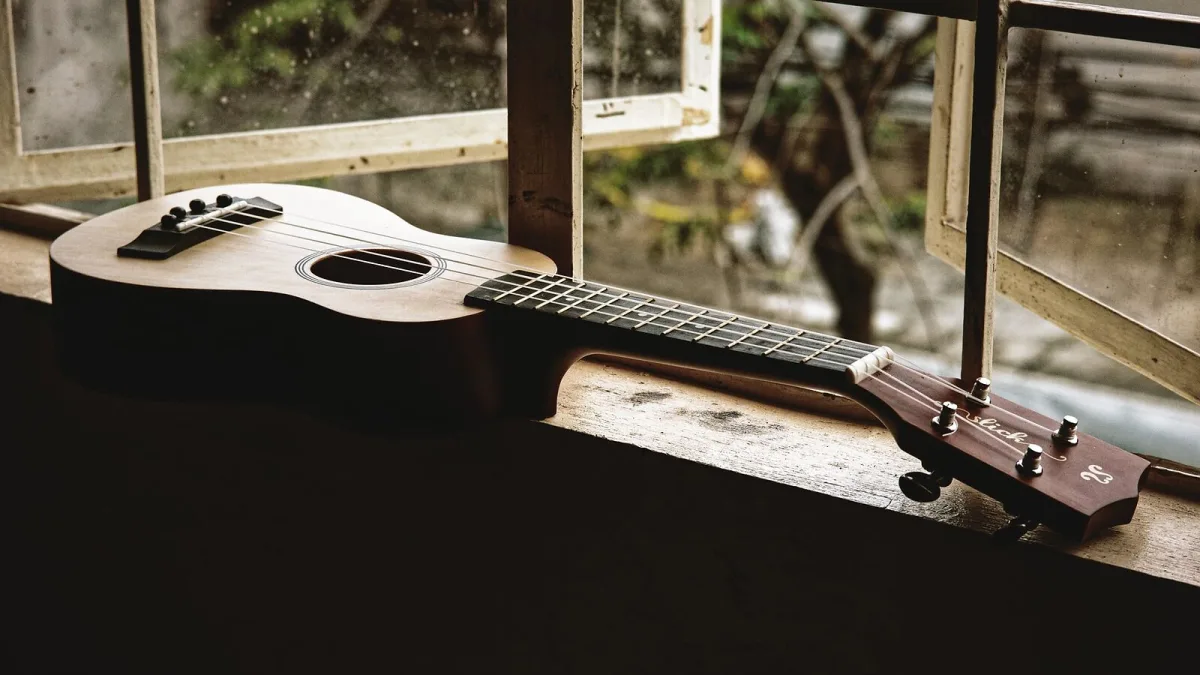
Choosing a concert ukulele is easier once you understand which differences between instruments actually matter and which are cosmetic. The market runs from budget laminate builds aimed at children and first-time buyers to hand-crafted solid-wood instruments intended for serious players. Knowing where to spend and where to save depends on what you plan to do with the instrument.
Construction: Laminate, Solid Top and Fully Solid
The most affordable concert ukulele uses laminate construction — thin layers of wood bonded together. Laminate is resilient, handles humidity and temperature changes well and keeps costs down. The limitation is that the soundboard has less freedom to vibrate, and the tonal character tends to be flatter and less responsive than solid wood. A solid-top instrument — where only the soundboard is solid — occupies a useful middle ground. The soundboard does most of the acoustic work, so a solid spruce or mahogany top offers noticeably more complexity and dynamic response than a fully laminate build, at a lower price than a fully solid instrument. Fully solid construction is rewarding but requires consistent attention to humidity levels to avoid cracking or warping over time.
Wood Species and Tone
Mahogany is common at every price level and is valued for a warm, balanced response with a focused mid-range. Spruce soundboards project more brightly and respond well to lighter touch, which suits fingerstyle players. Koa, associated with Hawaiian ukulele-making, occupies a tonal middle ground and ages attractively. Composite and carbon-fibre instruments are weather-resistant and consistent in tone regardless of conditions — practical for travel, outdoor performance and humid climates. Tone descriptions for wood species are reasonable guides but are not precise predictions; construction quality and setup often matter more than wood choice in practical terms.
Scale Length and Playability
A concert ukulele typically has a scale length of around 15 inches. The nut width and neck profile affect comfort as much as scale length, and both vary between brands. Players with wider fingers or those who prefer a more open fret hand may find a slightly wider nut more comfortable. If possible, try the instrument before buying, or check return policies carefully when buying online.
Electronics
Acoustic-electric models include a pickup system — usually undersaddle or contact-style — and a small preamp with volume, tone controls and a tuner. These are practical if you intend to play amplified regularly, but they add cost, weight and a battery to manage. A purely acoustic concert ukulele miked with a small-diaphragm condenser records well in most room environments. Electronics are worth paying for if you genuinely need amplification; otherwise, save the budget for construction quality.
Setup and What to Check
Before buying, check that the frets do not feel sharp at the edges, that notes ring cleanly at several positions along the neck, and that the instrument holds tuning reasonably well. Action — string height — should allow clean fretting without excessive pressure; very high action suggests the instrument needs a setup before it will be comfortable to play. A basic nut and saddle adjustment from a repair technician is inexpensive relative to the difference it makes to an otherwise capable instrument. For context on how the concert size fits into the wider family, the overview guide covers size, tuning and materials. If you are just starting out, the beginner's guide takes the first session step by step.




Comments