Skip to content

Button Accordion roundup

The Best Button Accordions for the Money
The Best Button Accordions for the Money

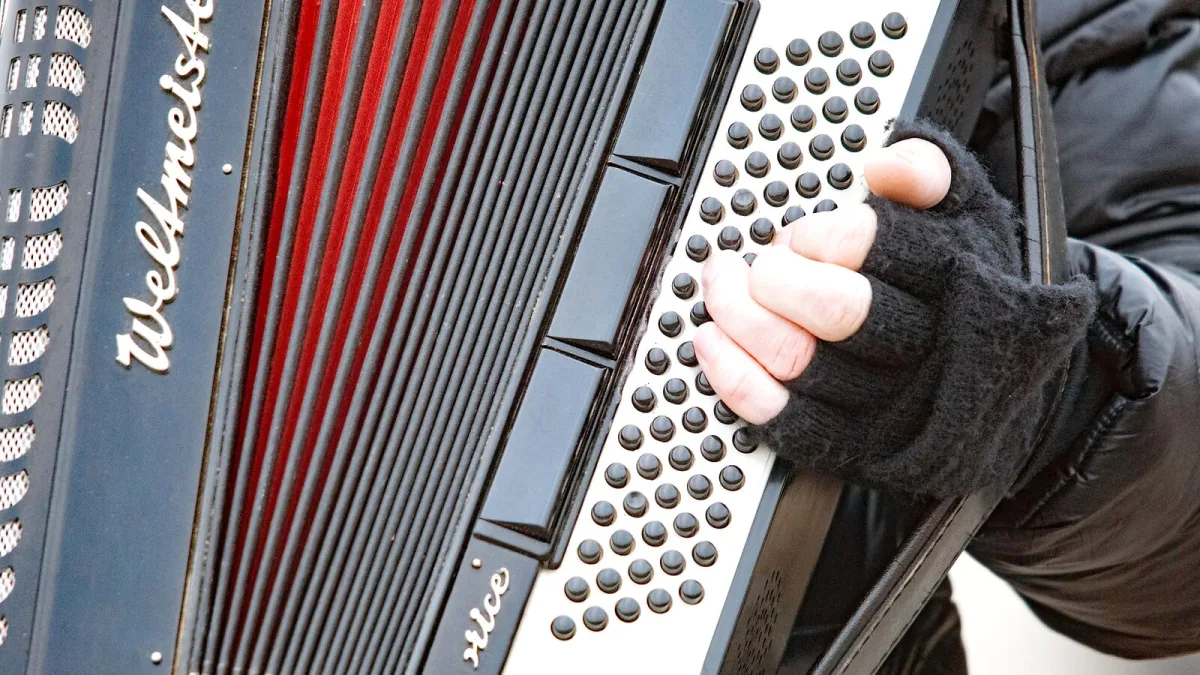
Getting good value from a button accordion purchase means matching the instrument's specification to what you actually intend to play, then spending enough — but only enough — to get reliable reeds, decent bellows and an action that rewards practice. Spending too little usually results in an instrument that discourages progress; spending on features you will not use for years wastes money better saved for lessons.

Entry Level: Under £250

At this price point, you are looking at basic single-row melodeons from Hohner (the Hohner Compadre range) and unbranded Chinese imports. Quality is variable. Hohner's entry models have a long production history and are playable out of the box, though the reed response at soft dynamics is limited compared with mid-range instruments. Chinese imports require careful checking before purchase — some are adequate for early practice, others are not. If buying at this level, use a reputable dealer who offers a returns policy.

Mid Range: £300–£700

This is where the choice significantly improves. The Hohner Corona II and the Weltmeister Achat are well-established instruments at the lower end of this range. Moving up toward the £500–700 mark, instruments from smaller Italian makers begin to appear — notably used Paolo Soprani and Castagnari models, which represent exceptional value when purchased from a specialist dealer or player upgrading to a higher-end instrument. An instrument in this category will last years and rarely needs anything beyond routine maintenance.

Professional Level: £800 and Above

Castagnari's Tommy and Ami models, Saltarelle instruments, and hand-crafted Italian diatonic accordions occupy this territory. For chromatic instruments, quality Weltmeister and Scandinavian-market instruments appear here. At this level, reed quality and consistency, bellows responsiveness and build finish are all significantly above the mid-range. A button accordion at this level suits players who are gigging or recording and need an instrument that performs reliably under repeated use. See the buyer's guide for the full purchasing checklist. The overview article explains all of the key design concepts, and the beginner's guide covers everything a new player needs to know.


Frequently Asked Questions

What is the best button accordion for a complete beginner?

A Hohner entry-level melodeon or a used mid-range instrument from a reputable dealer. The key is spending enough to get reliable reed response — instruments under around £150 are often inconsistent — without over-investing before you have established a practice routine.

Is Castagnari worth the price?

For players who are committed to diatonic folk traditions, yes. The reed quality, bellows responsiveness and long-term durability all justify the outlay. A Castagnari instrument bought new will last decades with normal maintenance, making the lifetime cost comparable to buying and replacing cheaper instruments.

Can I get a good diatonic instrument second-hand?

Yes, and this is often the best value route. Many players upgrade from mid-range instruments when they develop a clear preference for a specific tradition and key. A used Paolo Soprani or lower-end Castagnari from a trustworthy seller often delivers more for less than a new mid-range import.

What about chromatic instruments at lower price points?

Weltmeister produces accessible chromatic instruments with a long track record. Eastern European and Russian makers also supply instruments into the lower end of the market. As with diatonic instruments, used examples from quality builders represent the best value for players on a moderate budget.

How important is reed quality?

It is the single most important factor in an accordion's playability and tone. Reeds that respond poorly at low bellows pressure — which affects quiet playing and dynamic expression — limit what you can do with the instrument regardless of how much you practise. This is the main reason to spend more than the minimum on a first instrument.

Does the number of rows matter when buying a button accordion?

For diatonic players, yes. A single-row instrument is suited to specific traditions (Breton, English country) but limiting in others. A two-row instrument gives a wider harmonic range and is the standard choice for Irish and most modern English folk playing. A three-row adds accidentals and further range, and suits players who want the most flexibility within the diatonic format.

About Thomas Walker

Thomas grew up on the folk and roots music of the North East, where the tradition of Northumbrian tunes runs deep, and has been playing and writing about acoustic music for most of his life. He's drawn to instruments with history and craft. He covers folk, acoustic and traditional music.

Comments

Leave a comment

Comments are read before they appear. Links cannot be published.

Your rating (optional)