


Baritone Ukulele article
Common Baritone Ukulele Mistakes to Avoid
The small, easily-fixed misunderstandings that trip up an awful lot of new baritone ukulele players, said gently but plainly.
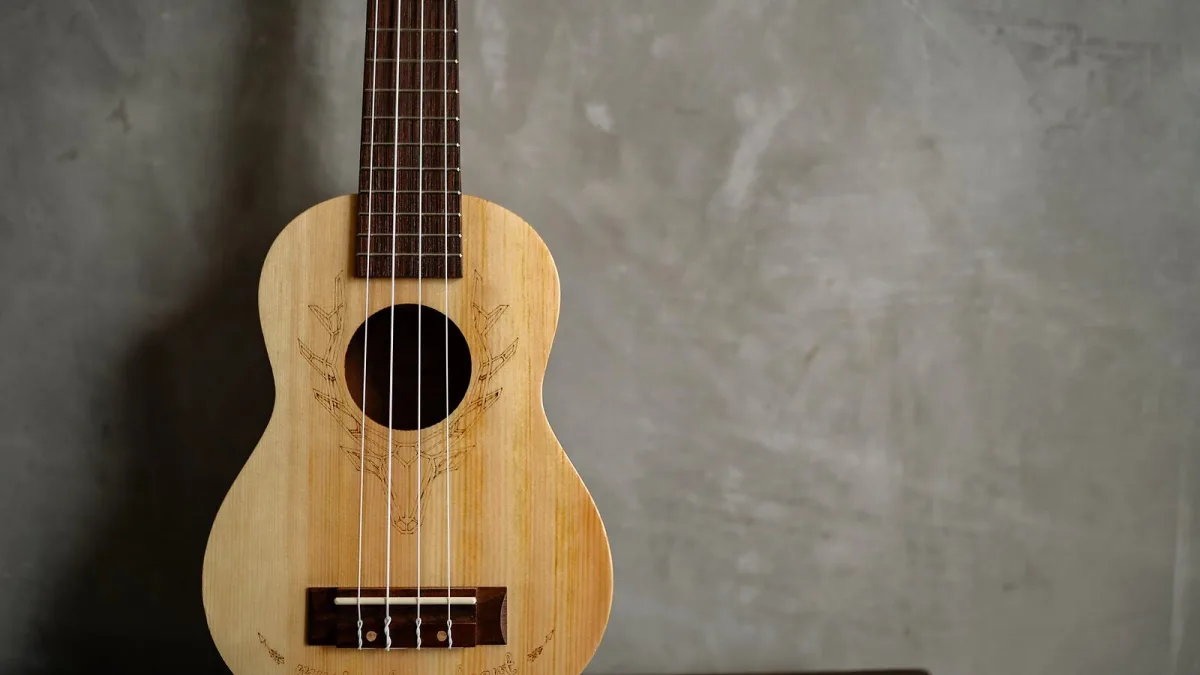
There's a soft, forgiving quality to a baritone ukulele that makes most mistakes easy to fix once you know they're there — but a few small misunderstandings trip up an awful lot of new players before they ever get that far. Here are the ones I see most often, said gently but plainly.
Mistake 1: Assuming Standard Ukulele Chords Transfer Directly
This is the big one. A GCEA chord chart, the kind that comes with most soprano or concert ukuleles, simply won't produce the same chord on a baritone ukulele, because the tuning is different. Reaching for a familiar chord shape without checking a DGBE-specific chart is the single most common source of early confusion, and it has nothing to do with your playing.
Mistake 2: Using the Wrong Strings
Standard ukulele strings aren't designed for this scale length or tuning, and using them can leave an instrument sounding thin, buzzy or simply wrong no matter how well it's otherwise set up. Always confirm a set is labelled specifically for baritone tuning before fitting it.
Mistake 3: Trusting a Generic "Ukulele" Tuner Setting
| Tuner setting | What it assumes |
|---|---|
| Generic "ukulele" mode | Often GCEA, the wrong tuning entirely |
| Chromatic mode | No assumptions — reads the actual pitch |
| Dedicated baritone/DGBE mode | Built for exactly this tuning |
If your tuner has a generic ukulele preset, be careful — it may quietly assume GCEA and lead you to tune every string to the wrong note without ever showing an error.
Mistake 4: Skipping the String Stretch-In Period
Brand-new strings need a few full tuning passes before they properly hold pitch, and it's easy to assume something's broken when a freshly strung instrument keeps drifting. It isn't. Give it two or three careful sessions before worrying that anything's actually wrong.
Mistake 5: Ignoring the Longer Scale When Buying
The roughly 19-inch scale gives more room between frets than a soprano or concert size, which some players love and others find takes a session or two to adjust to. Try one in person where you can before buying blind, especially if you have particularly small hands.
Mistake 6: Mixing Up "Tenor Tuning" and Tenor Size
Older instructional material sometimes uses "tenor tuning" to describe DGBE, which can confuse anyone assuming it refers to the tenor-sized ukulele. They're not the same thing. The physical size and the tuning are two separate questions, and it's worth keeping them apart in your head.
Mistake 7: Blaming Yourself for Every Buzz or Crack
A little fret buzz, a squeak, or an odd note in the first week isn't automatically a sign you're doing something wrong. It's often the strings settling, a setup that needs a small adjustment, or simply the newness of a longer scale and a different tuning than you're used to. Give it time before assuming the fault is yours.
Avoid These and You're Ahead of Most Beginners
For the full picture, our overview explains the tuning properly, and our step-by-step setup guide walks through tuning it correctly from an unstrung instrument onward.
The Bottom Line
Almost every one of these mistakes comes down to one thing: a baritone ukulele looks like a ukulele but behaves, tonally and musically, a little more like a guitar. Once that clicks, most of the early confusion simply falls away.





Comments