


Baritone Ukulele roundup
Baritone Ukulele: A Complete Buyer's Guide
The genuine differences that separate a baritone ukulele you'll love for years from one that'll frustrate you within a month.
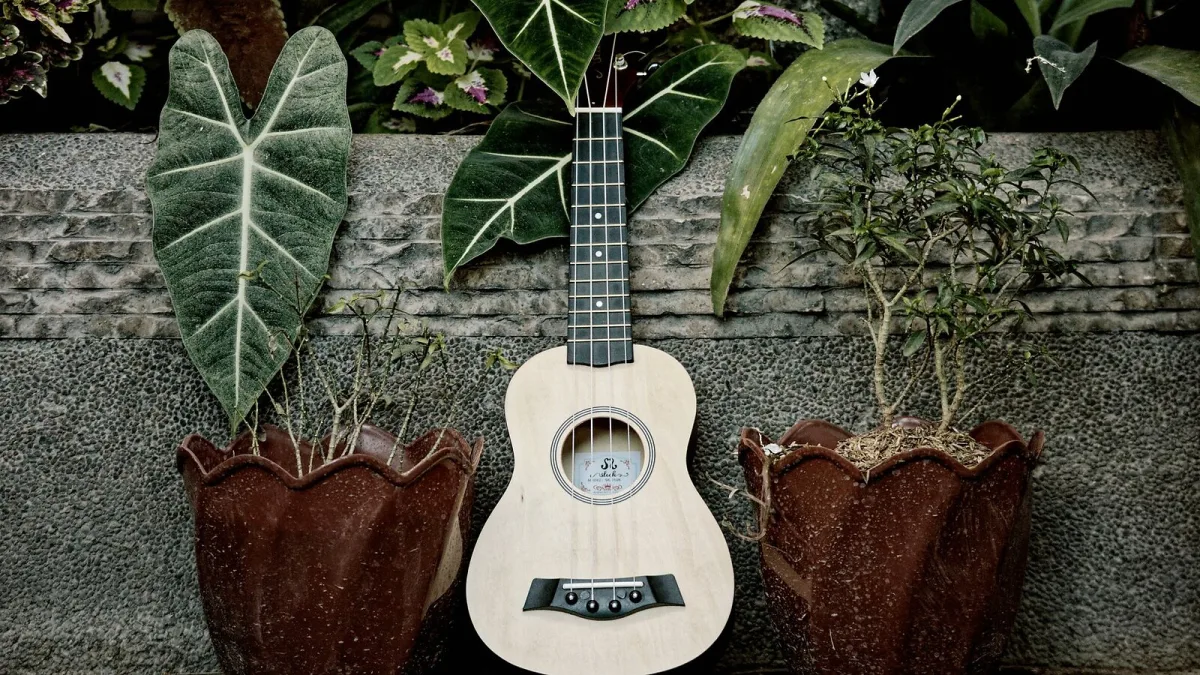
Buying an instrument by post or a shop window can feel like a small leap of faith, so let's take the guesswork out of it. A few genuine differences separate a baritone ukulele that'll serve you for years from one that'll frustrate you within a month, and none of them are about chasing the biggest name on the headstock.
Laminate or Solid Wood?
Laminate bodies are more forgiving of temperature and humidity swings, generally cost less, and make a sensible choice if this is your first one or it'll be travelling with you often. Solid wood tends to open up with age and can offer richer, more complex tone, but it asks more of you in return — proper humidity care, particularly through a dry winter indoors. Neither is the "correct" answer; it's a genuine trade-off worth being honest with yourself about.
Scale Length and Neck Width
Most baritone ukulele models sit around a 19-inch scale, but manufacturers vary, so don't assume every listing matches that figure exactly. If you're coming from guitar, pay attention to neck width and string spacing too — a cramped neck undoes a lot of the comfort this larger format is meant to offer in the first place.
Cutaway: Nice to Have, Rarely Essential
A cutaway body gives you easier access to the upper frets, which matters if you're playing lead lines or reaching for higher chord voicings. For straightforward chordal accompaniment, though, it's a genuine luxury rather than a necessity — don't let its absence rule out an otherwise excellent instrument.
Pickup and Amplification
If you'll ever play in front of more than a living room, an onboard pickup and preamp save you fighting with a microphone stand. Quality varies a fair bit between models, so where possible, plug in and listen before you decide rather than trusting a spec sheet alone.
Strings Matter More Than You'd Think
| Consideration | Why it matters |
|---|---|
| Labelled for baritone tuning | Standard soprano or concert sets aren't a safe substitute |
| Material (nylon, fluorocarbon, wound) | Changes tone, tension and feel noticeably |
| Factory-fitted brand | Shapes your first impression of the instrument's tone |
Buying Secondhand: What to Check
- Neck relief and fret condition — sight down the neck for warping or excessive wear.
- Top cracks or bulging, especially around the bridge on solid-wood instruments.
- Tuning stability — worn tuning pegs slip and won't hold pitch reliably.
- Electronics, if fitted — test the pickup and preamp before you commit.
What to Expect at Each Budget
Entry-level laminate models get you playing without a large outlay and suit anyone still deciding whether this instrument is for them. Mid-range instruments typically add solid tops, better tuners and nicer factory setups. Higher-end, all-solid-wood models reward players who already know they're committed, offering the acoustic complexity that laminate simply can't quite match.
Where to Look Next
For the full picture of what makes this instrument tick, our overview is worth reading first, and once you've bought one, our step-by-step setup guide will get you tuned up and playing properly from day one.
The Bottom Line
Buy the baritone ukulele that suits how you'll actually use it — laminate for practicality, solid wood once you're committed, and always the right strings for the tuning it's designed around. Get those decisions right and everything else tends to follow.






Comments