


Banjo article
The Ultimate Guide to Banjo
The banjo's true history, the difference between five-string and tenor, open-back and resonator, and how to choose your first instrument by the music you want to play.
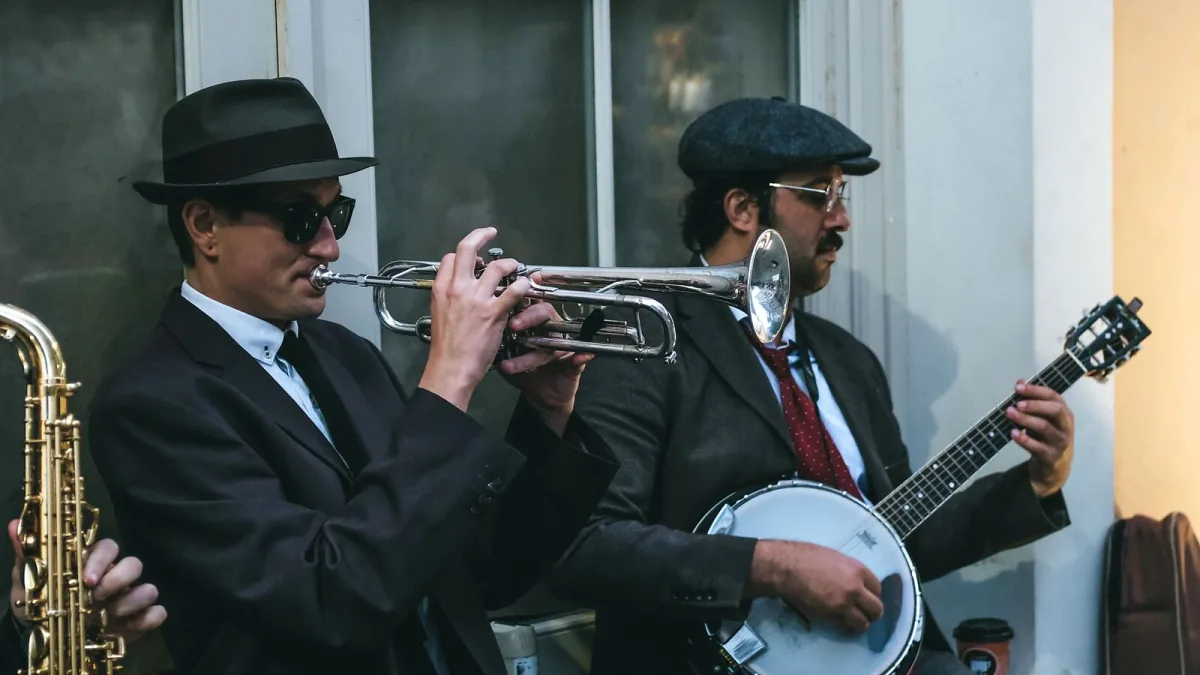
Few instruments carry as much history in their bright, ringing voice as the banjo. It can drive a bluegrass band at full pelt or murmur an old mountain tune on a back porch, and behind that sound sits a long, complicated and deeply human story. Whether you are drawn to it as a listener or thinking of buying your first one, it helps to understand where it comes from and how its different forms actually differ.
A history worth telling honestly
The banjo is not simply a European instrument with a drum bolted on. Its ancestors are West African lutes — gourd-bodied instruments with a skin soundboard and strings — carried to the Americas by enslaved Africans and reshaped through African American musical life. That origin matters, and so does what came next: in the 19th century white minstrel performers took up African American banjo styles and used them in demeaning caricature, which popularised the instrument commercially while obscuring the Black musicians who created its language. A guide that skips this part tells only half the story.
From those roots the instrument was gradually standardised — wooden rims, metal hardware, manufactured heads — and by the early 20th century it had found its way into parlour music, ragtime, jazz bands and, later, the bluegrass and old-time traditions many people picture first today.
Five strings or four?
The single most useful thing to know before buying is that it is really a family, and the split that matters most is between five-string and four-string instruments.
- The five-string banjo is the one most people mean: it has a short fifth string that starts partway up the neck (at the fifth fret) and rings as a high drone. It is the heart of American bluegrass and old-time music.
- The tenor banjo has four strings, a shorter scale and is usually tuned in fifths — the mainstay of 1920s jazz and dance bands, and, tuned GDAE, of Irish traditional music.
- The plectrum banjo is a longer four-string instrument played with a flat pick, again rooted in the jazz age.
Choose the instrument to suit the music, not the other way round. That decision shapes everything else.
Open-back or resonator?
Among five-strings there is a second fork in the road. A resonator has a wooden back plate that throws the sound forward — loud, bright and cutting, exactly what bluegrass needs to hold its own in a band. An open-back has no such plate; it is lighter, softer and woodier, and it is the natural home of clawhammer and old-time playing. Neither is better; they are built for different jobs.
| You want to play… | Look for |
|---|---|
| Bluegrass | Five-string resonator, often with a metal tone ring; fingerpicks |
| Clawhammer / old-time | Five-string open-back, lighter and mellower |
| Irish traditional | Four-string tenor, GDAE, played with a plectrum |
| Jazz / trad | Tenor or plectrum banjo for chordal or melodic work |
The two great techniques
Two approaches dominate the five-string. Clawhammer is a downward, rhythmic style: the nail of the index or middle finger strikes the string on the way down while the thumb catches the fifth-string drone, giving that rolling, propulsive groove behind singing and dancing. Bluegrass (Scruggs-style) picking, named for Earl Scruggs, uses metal fingerpicks and a thumb pick to spin out fast, repeating “rolls” that weave a continuous stream of notes around the melody. Scruggs' playing with Bill Monroe and later Flatt & Scruggs more or less defined the modern bluegrass sound.
The most common tuning to start with is open G (gDGBD) — strum the open strings and you get a G chord for nothing. Old-time players also reach for double C (gCGCD) and sawmill (gDGCD) tunings for different moods.
Buying your first banjo
A banjo lives or dies by its setup — the head tension, bridge position, string height and neck all matter more than the price tag. A modestly priced instrument that has been properly adjusted will out-play a dearer one that has not. Before you commit, check that:
- the neck is straight and stable, with level frets;
- the fifth-string tuner holds its pitch;
- the head has no cracks or tears and the rim is round;
- a professional setup is included, or budget to have one done.
Makers such as Deering (whose Goodtime range is a popular entry point), Gold Tone and Recording King are widely recommended across beginner and intermediate budgets, while names like Huber, Stelling and pre-war Gibson Mastertones sit at the collector end. Treat any “best brand” list as opinion, and always let your own ears and hands decide.
Beyond bluegrass
It would be a shame to box the banjo in. Pete Seeger carried it through the folk revival; Béla Fleck took it into jazz, classical and world music; and artists such as Rhiannon Giddens have brought its African American history back to the centre of the conversation. The banjo has never really stopped travelling — which is part of what makes it such a rewarding instrument to take up.
The bottom line
Decide the music first, and the rest follows: five-string for bluegrass and old-time, tenor for Irish and jazz, resonator for volume, open-back for warmth. Buy the best-set-up instrument you can rather than the shiniest, and give a little thought to the history you are joining when you pick one up. Do that, and it will give back far more than you expect.




Comments