


Tubular Bells article
Tubular Bells for Beginners: A Complete Guide
A gentle, step-by-step route in for anyone standing in front of a set of tubular bells for the very first time, with no experience assumed.
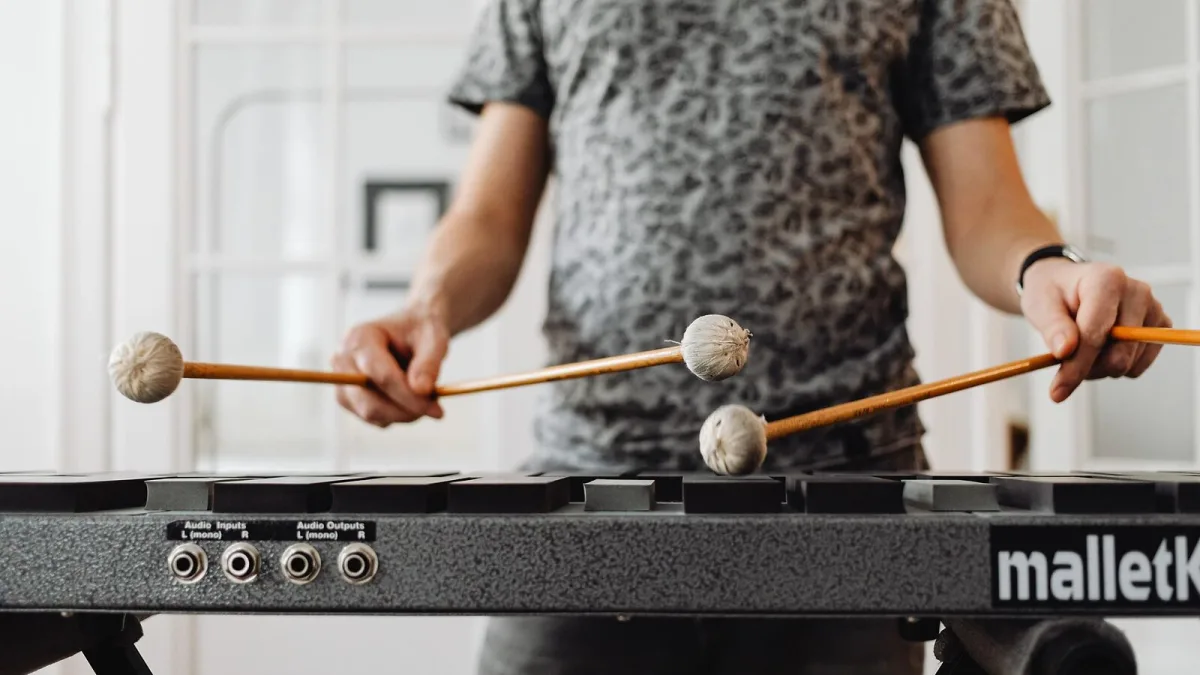
Standing in front of a full set of tubular bells for the first time can feel a bit intimidating — it's tall, it's metal, and it looks like it belongs to someone far more experienced than you. Take a breath. The instrument is far more forgiving than it looks, and this guide will walk you through the easiest way in, one small step at a time, so your first session feels manageable rather than overwhelming.
You Don't Need to Own One to Start
This is the good news first: almost nobody starting out owns their own set. Most beginners get their first hands-on time through a school music department, a local youth or community orchestra, a college percussion room, or a friendly music shop with a demonstration model. If none of those are close by, some percussion specialists hire instruments by the day, which is a perfectly sensible way to try before you commit to anything. Ask before you assume you need to buy.
Get Comfortable Before You Play a Single Note
Before worrying about technique, just spend a few minutes looking at the layout. On most tubular bells, the tubes are arranged in two rows, much like the white and black keys of a piano: the front row gives the natural notes, and a raised back row gives the sharps and flats. Walk along it. Notice how the tubes get shorter as the pitch rises. There's a pedal at the base — don't touch it yet. Simply getting your eye used to where each note lives will make everything that follows easier.
Your First Steps
Once you're oriented, work through these in order rather than rushing ahead:
- Learn the layout by name. Point to middle C, then to the notes either side, until you can find them without hesitating.
- Hold one mallet, correctly, in one hand. A relaxed grip near the end of the shaft gives you far more control than gripping tightly near the head.
- Strike middle C once, near the top of the tube. Aim close to the cap, not halfway down — that's where the clearest sound lives.
- Let it ring. Resist the urge to strike again immediately. Listen to how long the note sustains before it fades.
- Move to a neighbouring note and repeat. Keep every strike deliberate and unhurried rather than trying to play quickly.
- Only then introduce the pedal. Press it after a note to dampen the ring, and get a feel for how much control it gives you over when a note stops.
None of this needs to happen in one sitting. Most beginners spend their entire first session just on the first three or four points, and that's completely normal.
Two Early Habits Worth Avoiding
You don't need a long list of pitfalls yet — that's covered properly elsewhere — but two things trip up almost every newcomer to tubular bells. First, hitting too hard: this instrument is loud even when struck gently, so a heavy swing just sounds harsh rather than impressive. Second, striking too low down the tube: it gives a duller, less focused tone and can damage the tube or mallet over time. Both fix themselves quickly once you're aware of them.
What to Practise First
Keep your early practice simple and slow:
- A single octave, played one note at a time, ascending and descending.
- Short, simple tunes you already know by ear — nursery rhymes work surprisingly well for finding notes by feel.
- One mallet only, until striking accurately near the top feels automatic.
- Damping practice: strike a note, let it ring for a set count, then damp it precisely on the beat.
Speed and two-mallet passages can wait. Accuracy and a controlled strike matter far more at this stage of learning tubular bells than how fast you can move.
Where This Leads Next
Once single-mallet playing across an octave feels natural, the next steps are gradual: adding a second mallet for two-note passages, working on dynamics between soft and hard strikes, and learning to plan pedal changes ahead of time rather than reacting to them. None of it is difficult in isolation — it's simply a matter of adding one new skill once the last one feels secure.
Encouragement for the Road Ahead
Every professional percussionist you've ever heard play tubular bells started exactly where you are now: unsure which tube was middle C. The learning curve is genuinely gentle if you take it in order, and the sound rewards you from the very first correctly struck note. Be patient with yourself, and enjoy how good it feels when a note rings out exactly as you intended.
If you want to understand the instrument itself in more depth, our guide to tubular bells covers the history and mechanics. Thinking about eventually getting your own set? Our buyer's guide and pick of the best options for the money are both worth bookmarking for later. And once the basics feel solid, it's worth reading about the common mistakes that catch out players just past the beginner stage.




Comments