


Timbales article
Timbales for Beginners: A Complete Guide
If you're standing in front of your first timbales feeling a little unsure where to even put your hands, that's completely normal. Let's take it one step at a time.
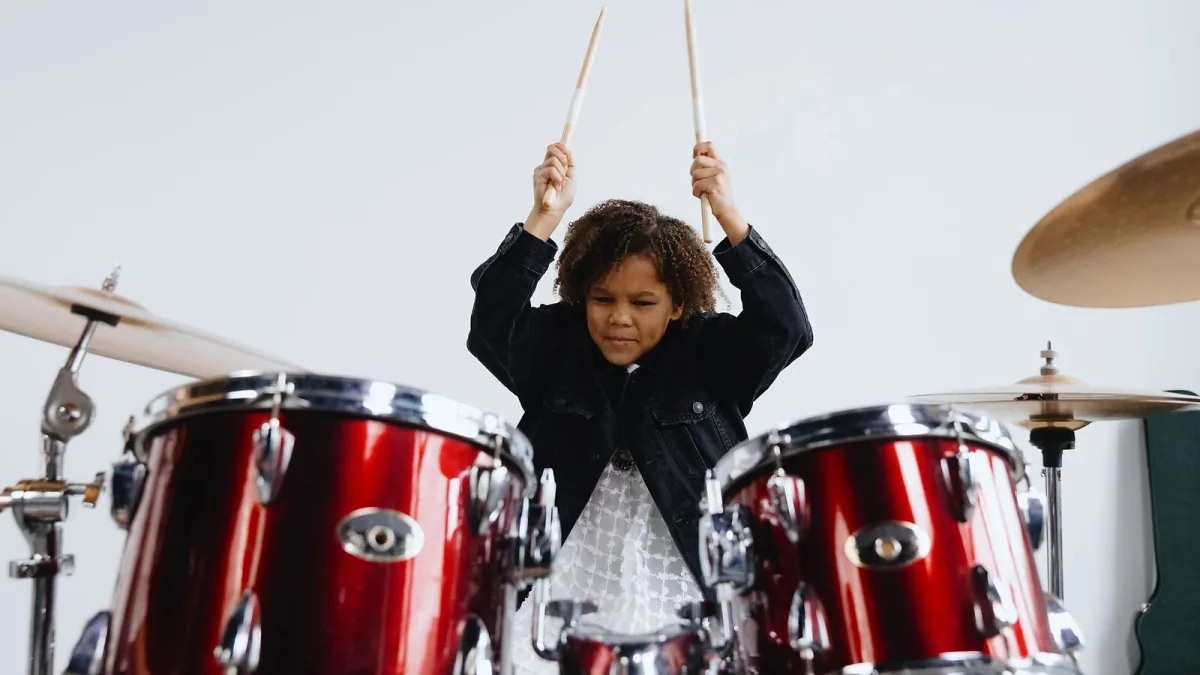
If you're standing in front of your first timbales feeling a little unsure where to even put your hands, that's completely normal. There's a lot going on visually — two drums, a cowbell, maybe a cymbal too — but you only need to learn a handful of things properly before any of it starts to feel comfortable. Let's take it one step at a time.
First, Get to Know Your Timbales
Your set has a smaller, higher-pitched drum called the macho, usually on your left if you're right-handed, and a larger, lower one called the hembra on your right. Spend a little time just tapping each one gently and listening to the difference in pitch. There's no rush here — simply getting your ear used to the two voices is a genuinely useful first step, before you worry about any actual patterns.
Stand, Don't Sit
Unlike a standard drum kit, timbales are almost always played standing up. This isn't a rule to make life harder for you — it actually makes movement between the two drums and the cowbell much easier once your body gets used to it. Set the stand at a height where your forearms sit comfortably level with the heads, and check your stance feels relaxed, not stretched or hunched.
Learn Two Sounds Before Anything Else
Resist the urge to learn everything at once. Start with just these two:
- Open tone — strike the head and let the stick bounce straight back off, letting the drum ring.
- Rimshot — strike the head and rim together for a sharper, louder accent.
Practise moving slowly between these two on just the macho first, then just the hembra, before combining the two drums together. There's no shame in keeping this simple for a good while — a solid, relaxed open tone will serve you for years.
Don't Worry About Cáscara Yet
The shell pattern called cáscara is a wonderful, defining part of the sound, but it's genuinely a technique to grow into rather than start with. Get comfortable moving between the two drumheads first. Cáscara will make far more sense, and feel far less frustrating, once your hands already know their way around the basic strokes.
Add the Cowbell Only Once You're Ready
Most beginner timbales come with at least one cowbell mounted nearby, and it's tempting to want to use everything straight away. Give yourself permission to leave it alone at first. Once the two drums feel natural under your hands, bringing in a simple cowbell pattern is a small, manageable next step rather than one more thing to learn all at once.
A Gentle Practice Plan for Your First Weeks
- Spend five minutes simply listening to the difference between the macho and hembra.
- Practise a slow, relaxed open tone on each drum separately.
- Add the rimshot once the open tone feels steady.
- Move slowly between the two drums using just those two sounds.
- Only once that feels comfortable, bring in a simple cowbell pattern.
Little and often beats one long, frustrating session every time, especially in these first few weeks.
When You're Ready to Learn More
There's no deadline here, but once the basics feel settled, our guide to how timbales are built is a gentle next read, explaining the parts and terms without any pressure to act on it straight away. When you're thinking about your first proper set, or an upgrade, our buyer's guide will be waiting for you.
A Word of Encouragement
Every confident timbalero you'll ever watch started exactly where you are now, tapping tentatively at a drum they weren't quite sure how to approach. Be patient with your hands, and be patient with yourself. Our piece on common mistakes to avoid is worth a look once you're a little further along, simply so you know what to watch for.
The Bottom Line
You don't need to master everything about your new timbales in the first week, or even the first month. Learn the two drums, two sounds, and a gentle sense of standing, relaxed rhythm, and everything else will follow at exactly the pace it should.



Comments