


Stick Bag article
Stick Bag for Beginners: A Complete Guide
A stick bag is not glamorous, but it will save you from losing sticks, scrambling for spares, and arriving at rehearsal unprepared. Here is the no-nonsense guide for new drummers.
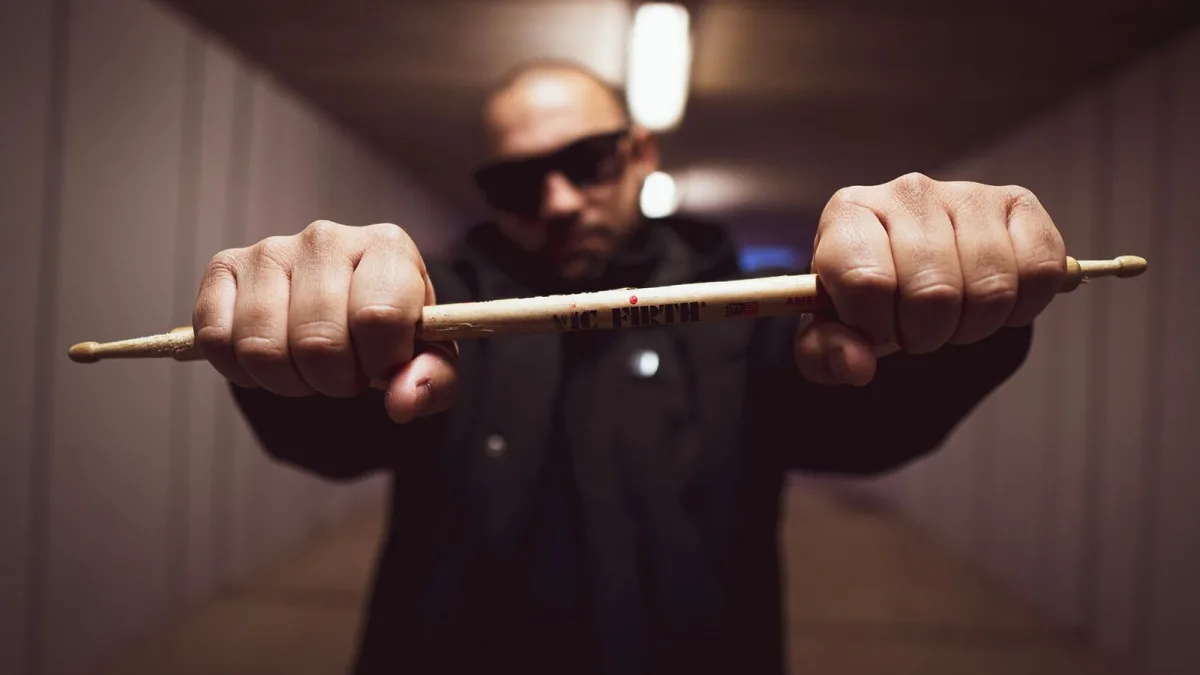
If you are new to drumming, a stick bag is probably one of the last things on your list. But the moment you play your first gig — or even just take your kit to a rehearsal space — you realise pretty quickly that loose sticks scattered around a gig bag are a bad idea. This guide is for players who have never bought one before: what it is, what you actually need, and what to spend.
The Simple Version: What a Stick Bag Is
A stick bag is a purpose-built pouch for carrying drumsticks. It is longer than it is wide, usually made from nylon or canvas, and has one or more tube-shaped compartments that hold sticks upright. Most have a zip pocket for small accessories and a carry strap. That is it.
The point is simple: sticks in one place, easy to carry, easy to get to during a performance. Without a bag, sticks rattle loose in your kit bag, scratch against cymbals, snap under something heavy, or get left at the venue because you could not find them at pack-up.
Do You Actually Need One?
If you only play at home on a practice kit, not urgently. If you rehearse with a band or play any gigs at all, yes — get one before your first real session. The cost is low and the inconvenience of not having one gets old fast. A basic bag from a drum brand costs around £10–£15 and lasts a year or more of regular use. You can upgrade later; the cheap one will do fine to start.
What the Pockets Are For
A standard one has:
- Stick pockets: long tube-shaped compartments, usually two or three. Each holds two or three pairs of sticks. These are the main point of the bag.
- Accessories pocket: a smaller zip compartment for a drum key (the tuning wrench), spare earplugs, a cloth for wiping down cymbals, and anything else small you carry.
You do not need to fill every pocket. Two pairs of sticks plus a key and some earplugs is a reasonable load for most beginners.
What to Look for as a Beginner
Keep it simple:
- At least two stick pockets: one for sticks you are using, one for spares.
- A zip accessories compartment: velcro works but collects debris; a zip is more reliable.
- A carry handle or strap: if you are carrying it alongside other gear, a shoulder strap makes life easier than a handle alone.
- From a drum brand: Vic Firth, Vater, Zildjian and Meinl all make basic bags at low cost. Their stick pocket diameters are sized correctly for standard drumstick widths, which cheaper generic bags sometimes get wrong.
What About a Stick Holder for the Kit?
You may come across something called a stick holder or on-kit stick holder — a different product from a bag. This is a small rack or clip that attaches to a stand on your kit and holds a few spare pairs within arm's reach while you play. It is useful for live performance (broken stick, replacement in hand immediately) but it is not the same as a bag.
For a beginner, a simple bag for carrying sticks to and from sessions is the priority. You can look at on-kit holders once you are playing regularly and working out your live setup.
How Many Sticks to Carry
Start with three pairs: one pair you are actively using and two spare pairs. Sticks break more often than you might expect, especially in the early stages when technique is still developing. Having a spare pair in your bag means a broken stick at rehearsal is a minor inconvenience rather than a session-ender. For gigs, some drummers carry up to five or six pairs. Three is the sensible minimum.
Looking After Your Sticks
Keep matched pairs together — sticks within a pair should have similar weight and feel. Some drummers use rubber bands to keep pairs bundled in the bag. Check your sticks for cracks before playing, particularly around the tip and shoulder area where most breaks occur. A cracked stick is a safety hazard, not just a playing inconvenience.
If you are ready to spend a bit more on a bag that will last longer, the buyer's guide covers what to look for at each price point. The overview article explains the different types available in more detail.
The Bottom Line
A basic stick bag from a drum brand is all you need to start. Two stick pockets, a zip accessories compartment, a carry strap. Spend £10–£20 and you are sorted. The ones from Vic Firth, Zildjian or Vater at this price are simple and reliable — buy from one of those and you will not go wrong.





Comments