Skip to content

Splash Cymbal article

Splash Cymbal Explained: Features, Types and Tips

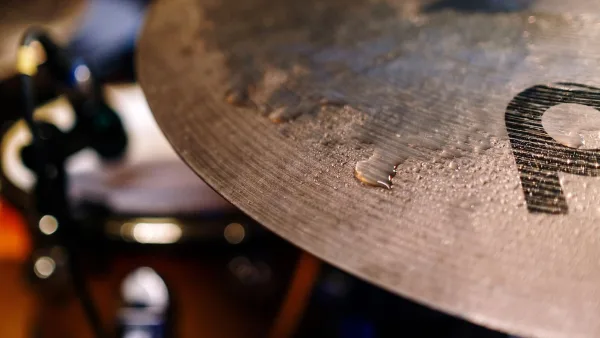
A splash cymbal is a small, thin cymbal — typically between 6 and 12 inches in diameter — designed to produce a short, bright accent sound. The name comes from the characteristic quick burst of high-frequency wash it produces when struck. Unlike a crash, which sustains for a significant time after impact, it decays rapidly, making it suited to quick accents and transitions between other cymbal sounds.

Splash Cymbal Construction and Size

These instruments are manufactured from the same alloys as other cymbals — B20 bronze (80% copper, 20% tin) being the premium standard, with B8 bronze and brass used in entry-level models. The small size and thin profile mean they respond immediately to light strikes and decay quickly. A larger splash cymbal (10–12 inches) produces more volume and a slightly longer sustain; a smaller one (6–8 inches) is brighter, drier and shorter. The choice of size depends on the sound and application required — smaller models for delicate accents in jazz and light pop, larger ones where more cut and volume are needed.

How It Is Used

The primary role in a drum kit is as an accent cymbal — a quick punctuation point between other sounds. Drummers use it for subtle transitions, fast accents during fills, and to add variety to cymbal work without the sustain of a larger crash. In jazz drumming, it provides quick rhythmic accents in ways that would overwhelm a standard hi-hat or ride. In rock and metal, smaller versions add high-frequency texture above the heavier crash and ride sounds. In pop and R&B production, the tight, dry character often appears in patterns where high-end percussive detail is needed without cymbal wash. For purchasing guidance, see the buyer's guide. The beginner's guide covers first steps and technique.

Placement and Setup

Most drummers position it above and between other cymbals — typically angled slightly downward near the hi-hat or above a floor tom. The exact placement depends on the number of cymbals on the kit and the drummer's playing style. Mounting is via a standard cymbal arm with a felt washer, identical to the mounting system used for crash cymbals. A tilter or adjustable arm allows fine-tuning of angle and height to suit different playing positions.

Notable Series

The Zildjian A Custom Splash, Sabian AAX Splash and Meinl Byzance Splash are widely regarded as benchmarks in the medium-to-premium price range. The Paiste 2002 Splash and Zildjian K splash are favoured in jazz and studio contexts for their dark, complex character. Entry-level models from Stagg, Wuhan and Meinl HCS are usable for practice and entry-level gigging but typically lack the complexity and response of professional-grade instruments.

Frequently Asked Questions

What is a splash cymbal used for?

It is used as a quick accent in a drum kit — producing a short, bright burst of sound suited to transitions, fills and sudden dynamic changes. Unlike a crash, it decays almost immediately, making it effective for adding punctuation without sustained wash. It appears in jazz, rock, pop and studio contexts wherever a fast, high-frequency accent is needed without the weight of a crash.

How is it different from a crash?

Size and sustain. A crash typically runs from 14 to 20 inches and sustains noticeably after being struck — it is designed for accents with a full, washing character. A splash is smaller (6 to 12 inches) and decays almost immediately. The result is a sharper, quicker sound that occupies less sonic space, making it suitable for fast accents where a crash would be too sustained and heavy.

What size splash cymbal should I choose?

For general use, an 8-inch or 10-inch model suits most playing contexts. Smaller ones (6 inches) are very short and bright — suited to jazz accents and intricate patterns. Larger ones (12 inches) have more volume and a slightly longer sustain, behaving more like a small crash. Most players start with a 10-inch and adjust based on how it fits their kit's overall sound.

Can I use it in a jazz kit?

Yes — this style of cymbal has a long history in jazz drumming. Jazz drummers use it for quick choked accents and to vary the texture of ride and hi-hat patterns without the volume of a crash. The darker, drier character of professional jazz-voiced models — particularly from the Zildjian K, Paiste 2002 and Sabian HHX series — suits the lower-volume, nuanced context of jazz playing.

How do I mount it on my kit?

It mounts on a standard cymbal arm using a felt washer and wing nut — identical to the system used for crash and ride cymbals. Many drummers position it using a secondary arm on an existing stand to avoid adding another stand to the kit. A tilter arm allows the angle and height to be adjusted precisely for comfortable reach.

Do more expensive models sound noticeably better?

In most cases, yes. Premium B20 bronze models from Zildjian, Sabian, Meinl and Paiste have better response, more complex tonal character and more consistent quality control than budget alternatives. For live performance and recording, the character of a professional-grade instrument is audibly different from budget brass or B8 bronze alternatives. For practice and learning, however, an entry-level model is entirely adequate.

About Katie Anderson

Katie learned the ropes mixing bands in Southampton's pubs and clubs, a port city used to a steady churn of touring acts. Years behind the desk gave her a practical, no-nonsense understanding of how live sound actually works. She writes about PA, live sound and stage gear.

Comments

Leave a comment

Comments are read before they appear. Links cannot be published.

Your rating (optional)