


Practice Pad article
Practice Pad Explained: Features, Types and Tips
A practice pad lets drummers work on technique without volume. Understanding the differences between surface types, sizes, and designs determines whether you get useful practice or just repetition.
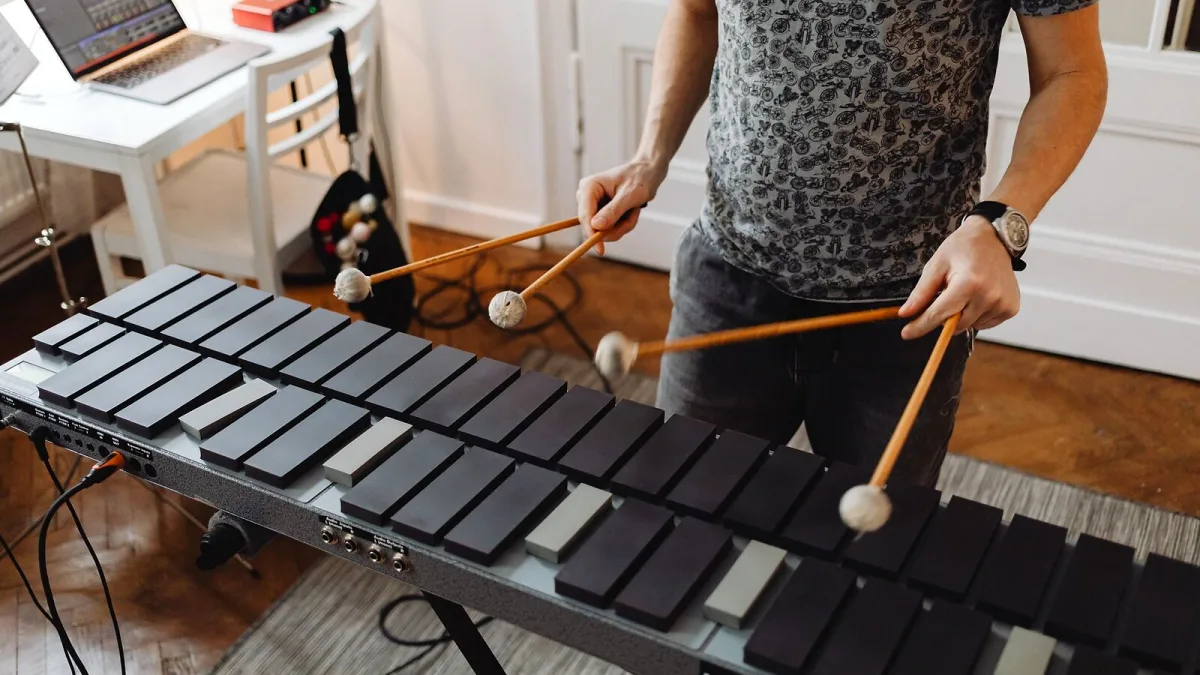
A practice pad is a percussionist's primary tool for developing technique away from a full kit. It provides a surface that responds to sticking — with rebound, resistance, and feel — without the volume of a real drum. Every level of drummer, from a beginner working on rudiments for the first time to a professional preparing for a tour, uses one. The differences between types matter, and they are worth understanding before buying.
What a Practice Pad Actually Does
Drumming technique is built on repetition. Rudiments, grip control, accent patterns, and stroke speed all improve with sustained repetition against a surface that responds accurately to the player's input. A drum kit provides that, but a drum kit cannot be used at midnight, in a hotel room, or on a train journey. A pad provides a quieter, portable alternative that preserves the muscle-memory building that rehearsal requires. It is not a perfect substitute — the resonance, head tension, and acoustic interaction of a real drum kit cannot be reproduced — but for fundamental technique work, it covers most of what the kit does without the volume.
Surface Materials
The surface of a practice pad determines its feel. Gum rubber is the traditional material — used in the Roland and Remo-style pads for decades — and it offers medium rebound with a consistent, smooth feel. Harder rubber surfaces push back more aggressively and suit players who want to build grip strength or work with lower stick heights. Mesh surfaces, like those used in electronic drum kits, provide the softest and most forgiving rebound — the closest feel to a real drumhead with slack tension. Natural rubber compounds sit between gum and mesh in feel.
Single-Zone vs Multi-Zone Pads
A single-zone pad is one surface. A multi-zone pad divides the playing surface into areas that simulate different parts of a kit — a snare zone, a hi-hat zone, a rim or edge area. Multi-zone pads are useful for practising coordination and transitions between kit elements, though for rudiment work and grip development, a single surface is sufficient and typically more practical.
Size and Portability
Practice pads range from six-inch travel pads that fit in a bag pocket to twelve-inch or larger pads designed for desk or stand mounting. Smaller pads are more portable but constrain the playing area. Larger pads give more room for wide stroke patterns and feel more like a full snare head. Many players own a smaller pad for travel and a larger one for home use.
Stand-Mounted vs Freestanding
Most pads sit on a flat surface during use. Many have a non-slip base to prevent sliding. Some are threaded for mounting on a snare stand — useful for players who want to replicate proper playing height and posture during practice sessions. Stand mounting is particularly helpful for technique work that involves full stroke height and proper arm position.
Noise Level
No percussion pad is silent. A rubber surface struck with drumsticks produces a sharp percussive sound — quieter than a snare drum, but clearly audible through a wall or ceiling. Mesh pads are significantly quieter and are the best option for practice in close proximity to other people. Some pads with thicker rubber frames transmit more vibration to the surface they sit on; a pad placed on a table will buzz if the rubber is dense and the strokes are heavy.
Further Reading
For model-by-model recommendations across price points, see the best practice pad for the money. For a structured buying decision, see the complete buyer's guide. And to avoid the most common purchase errors, common mistakes to avoid is worth checking before you buy.





Comments