


Junior Drum Kit roundup
Junior Drum Kit: A Complete Buyer's Guide

Junior Drum Kit: A Complete Buyer's Guide
Choosing a junior drum kit is straightforward if you know what to look for. Ignore the marketing talk about "complete" kits and "everything you need"—most of that's just noise. What matters is fit, sound quality, stability, and whether the kit actually includes what the label says. I've spent years helping players buy gear, and the principle is always the same: understand what you're looking for, check the specs, and don't overpay for bundled extras you'll replace anyway.
Start with Size, Not Age
The single biggest mistake is choosing a kit based on age rather than physical dimensions. A tall seven-year-old will play better on a larger kit than a short nine-year-old. Height and reach matter. Arm length matters. Leg length matters more than birthday.
Measure your child. Have them sit in a chair and check how far their feet reach the floor. Ask them to reach forward with one arm relaxed. These measurements tell you more than any age recommendation. A junior kit with a 14-inch bass drum suits shorter players. 16 inches is more versatile. 18 inches edges toward the full-size range. Most retailers provide shell dimensions in the specifications—use them.
Decide on Three-Piece or Five-Piece
A three-piece kit—bass drum, snare, one tom—costs less, takes less space, and teaches fundamentals well. It's the right choice for most beginners under eight years old and for any family with limited room.
A five-piece kit adds another tom and a floor tom. This gives your child more sounds and feels more like a "real" drum kit. But it needs more space, costs more, and can encourage awkward reaching. Buy five-piece only if your child is nine or older, taller than average, has already played for a year or so, or your space genuinely allows it. Starting small is not a limitation—it's practical.
Understand What "Complete" Actually Means
Retailers use the word "complete" loosely. A "complete junior drum kit" should include a bass drum with pedal, snare drum with stand, one or more toms, hi-hat with stand, crash or ride cymbal with stand, drum throne, and drumsticks. But not all kits include all of these. Some are shell packs—just the drums—and you buy hardware, cymbals, and throne separately. Some include a pedal but no throne. Some include cheap cymbals and a flimsy throne you'll replace immediately.
Read the product description carefully. Look for a bulleted list of what's included. If the description says "complete" but doesn't list cymbals, stands, pedal, or throne, it's not complete—it's a partial kit sold with a misleading label. Check product images and retailer pages. If you can't tell what's included, email the shop or manufacturer before buying.
Prioritise Hardware Quality
The hardware—pedals, stands, lugs, tension rods—is where cheap kits cut corners. A flimsy bass-drum pedal makes the kit unplayable. Weak stands tip over or slip. Poor tension rods mean the drum heads won't stay tuned. This isn't about luxury; it's about function.
Expect metal pedal components, not plastic. The pedal board should feel solid underfoot. The springs should have tension and return smoothly. Check that the bass drum has spurs—feet on the bottom—or at least a textured contact surface to keep it from sliding when the pedal is played. Look for double-braced or solid stands. A single-braced cymbal stand is cheap but wobbles; your child will be frustrated.
The throne should adjust smoothly and hold height without creeping. Some cheap thrones lock via a simple friction collar that loosens during play. Look for a screw-thread or gas-cylinder adjustment that holds. Your child shouldn't have to stop playing to hike the throne back up.
Cymbals and Their Limits
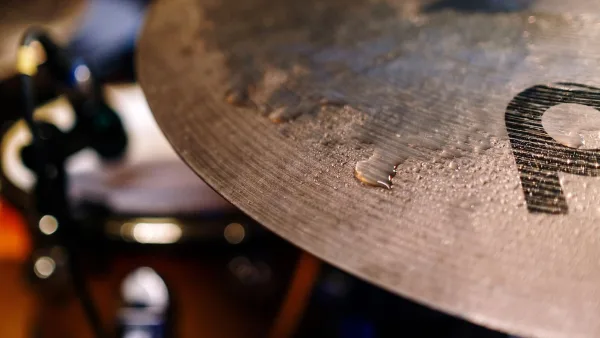
Bundled cymbals are usually thin, brassy, and crash quickly. They're not rubbish—they work—but they don't inspire playing. If the kit includes cymbals, listen to product videos or demo clips before buying. If they sound thin or harsh, plan to upgrade them within a year or so. Most players replace bundled cymbals first.
The kit should include at least one crash and one hi-hat pair, or a combined crash-ride cymbal. Size matters: 12 to 14 inches is typical for junior sets. A 16-inch cymbal is too large for a small player to reach safely.
What You'll Probably Replace
Save money by accepting that some bundled items won't last or won't satisfy your child as their playing improves. The first upgrades are usually the bass-drum pedal, snare drum head (by year two), cymbals, and throne. These items get heavy use and improve tone and playability significantly. Bundled hardware often performs adequately; bundled cymbals and pedals usually don't.
Don't overspend on a premium pedal or throne with the first kit. Buy a solid mid-range option that functions well. When your child's playing justifies it, you can upgrade.
Popular Models: What to Look For
Yamaha Junior Kits are designed with stability in mind. The bass drum has wide legs to resist sliding. The components integrate well. They're not the cheapest, but they're reliable. Gear4music and Guitar Center classify junior kits by shell sizes and can be helpful for finding kits in different price ranges. Equipboard and Melodics publish buying guides that compare current models—read a few and note which features and brands appear across recommendations.
Local music shops often have junior kits you can see and test. An afternoon at a shop is worth more than hours online. Your child can sit at the kit and try it. You can assess stability in person and ask questions about warranty, durability, and upgrade paths.
Price and Value
A solid junior kit costs £250 to £500. Cheaper kits exist but often have weak hardware or thin shells that sound poor. More expensive kits aren't necessarily better for beginners—they often include features a young player doesn't need. The "sweet spot" for value is where hardware is solid, shells are reasonable quality, and the kit actually includes what the label says.
Factor in maintenance costs. Drum heads need replacement every two years or so (£10 to £30 per head). Cymbal stands and hardware can be replaced as needed (£20 to £100 each). These are normal costs of instrument ownership, not signs of a poor purchase.
Final Advice
Buy from a retailer with a good return policy. See the kit in person if possible. Verify exactly what's included before paying. Prioritise hardware quality over bundled extras. Accept that some components will be upgraded as your child progresses. And remember: a mid-range junior kit played regularly beats an expensive set gathering dust. The best drum kit is the one your child will actually play.



Comments