


Istanbul Agop Cymbals article
Istanbul Agop Cymbals Explained: Features, Types and Tips
Istanbul Agop cymbals combine traditional Turkish hand-hammering with B20 bronze to produce a dark, warm, characterful sound that has made them a favourite in jazz and studio settings.
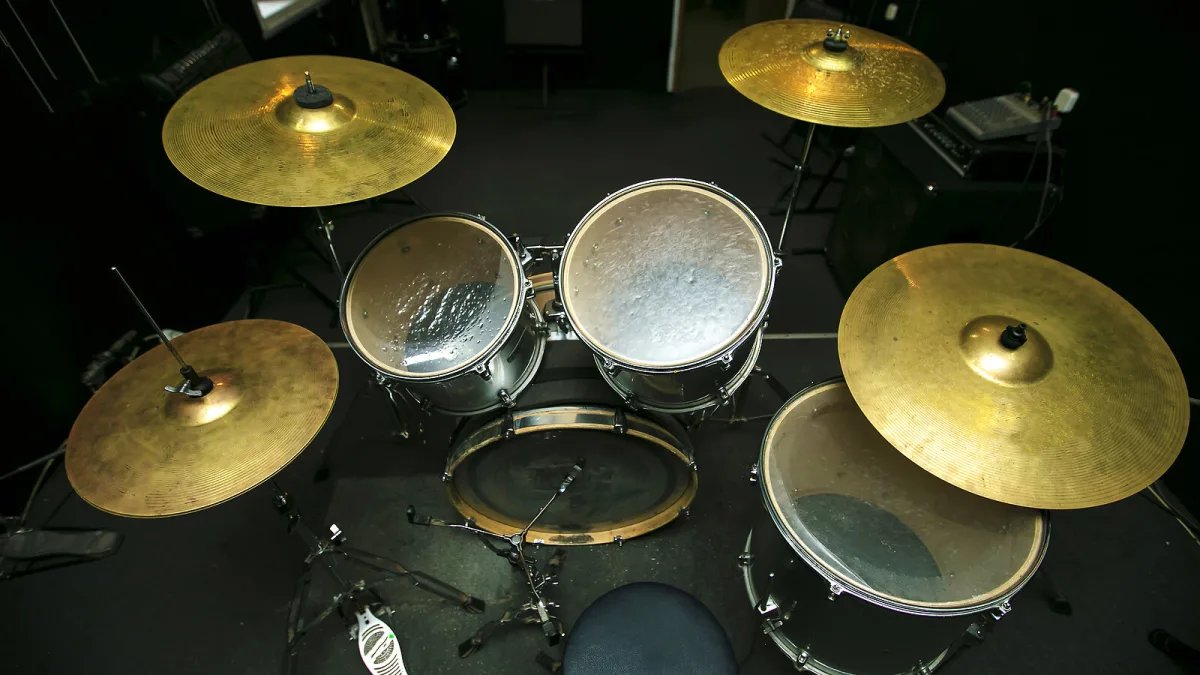
Istanbul Agop cymbals come from a lineage that is both old and specific — hand-hammering techniques refined over decades in Istanbul, applied to a B20 bronze alloy that has been the Turkish cymbal standard for generations. If you are trying to understand what makes them distinctive, or whether they belong on your kit, this breakdown covers the essentials: the company's background, the key series, what to listen for, and how they fit different playing styles.
A Brief History of Istanbul Agop
The Istanbul Agop story begins with Agop Tomurcuk, who co-founded Istanbul Cymbals in 1977 alongside his brother Mehmet. The brothers built the company into an internationally respected cymbal maker drawing on traditional Turkish craftsmanship. The partnership dissolved in 1996: Mehmet Tomurcuk founded Istanbul Mehmet Cymbals, while Agop continued under the Istanbul name before the brand settled on Istanbul Agop.
The company remains headquartered in Istanbul and continues to produce cymbals using both traditional hand-hammering and modern manufacturing methods depending on the series. This split approach means the range spans affordable entry-level options to hand-crafted professional instruments.
Materials and Construction
All models are made from B20 bronze — an alloy of 80% copper and 20% tin that is the established standard for high-quality cymbals. B20 is prized for its rich, complex harmonic response and its ability to sustain without becoming harsh. The specific character of each Istanbul Agop cymbal comes from the combination of this alloy with the finishing process — whether that involves machine hammering, hand hammering, lathing patterns, or unlathed bell and bow sections.
Hand-hammered cymbals tend to have more tonal complexity, irregularity in the sustain, and a warmer, more organic feel. Machine-hammered cymbals are more consistent and predictable — useful properties in studio settings or for players who want a specific, repeatable sound.
Key Series to Know
Xist Series
The Xist line is Istanbul Agop's entry-level range. Machine-made and more affordable than the hand-crafted options, Xist cymbals deliver a cleaner, more defined sound suitable for players who want the Istanbul Agop name without the premium price. They come in a bright finish and cover the standard types: hi-hats, crashes and rides. For the cost, they represent good value and are a reasonable starting point for those curious about the brand.
Sultan Series
The Sultan series sits in the middle of the range — hand-hammered, but at a price point below the flagship Traditional line. These are darker and more complex than the Xist cymbals, with a more uneven, characterful wash. Jazz and fusion players in particular tend to find the Sultan series a good match for its controllability and musical response.
Traditional Series
The Traditional line represents Istanbul Agop at their most authentic and expensive. These are hand-hammered, hand-finished cymbals in the Turkish tradition — dark, warm, complex and often slightly unpredictable in ways that experienced players find appealing rather than problematic. Each cymbal is individual. The Traditional series includes rides, crashes, hi-hats and splash cymbals, and is the range most associated with the brand's reputation in jazz circles.
30th Anniversary Series
Released to mark the company's thirtieth year, the 30th Anniversary series is among the most tonally sophisticated in the catalogue. These cymbals are unlathed in places, giving them an exceptionally dark and dry sound. They suit playing contexts where brightness is unwanted — jazz trio settings, brush work, low-volume playing.
Artist and Signature Series
Istanbul Agop has produced artist collaboration models for a range of professional players. These are typically based on specific tonal requests from the endorsing artist and offer a window into the bespoke customisation the company is capable of. Availability varies and some models have limited runs.
Sound Character
The consistent thread across all these ranges — particularly the hand-crafted ones — is a dark, warm, complex tone with relatively quick decay and what players often describe as a "musical" rather than "bright" quality. They cut through without harshness. They work well in low-volume contexts because they respond readily to lighter touch without becoming muddy. In high-volume rock settings, the Traditional and Sultan ranges are less suited than the Xist line or than cymbals designed specifically for that context.
Who Plays Istanbul Agop?
Istanbul Agop has a strong association with jazz drumming. Many leading jazz drummers have used them as part of their professional setups — the dark, warm character of the hand-hammered lines suits the needs of small-group jazz particularly well. The cymbals also appear in fusion, ambient, and experimental percussion settings where tonal complexity and character are valued.
If you are trying to decide whether Istanbul Agop is the right choice for your style and budget, the complete Istanbul Agop buyer's guide covers what to look for at each price point. Beginners can find a more accessible starting point in the Istanbul Agop cymbals beginner's guide.
The Bottom Line
Istanbul Agop cymbals offer a clear and consistent identity: traditional Turkish craftsmanship, B20 bronze, and a sonic character that prizes warmth and complexity over brightness and uniformity. The range is broad enough to suit players at very different budgets, but the brand's real strength lies in the hand-crafted lines that have made its reputation in professional jazz and studio settings.






Comments