


Hi Hat Cymbals roundup
Hi Hat Cymbals: A Complete Buyer's Guide
Choosing the right hi-hat cymbals takes more than picking a famous brand name. This guide breaks down every variable and tells you what actually matters for your playing.
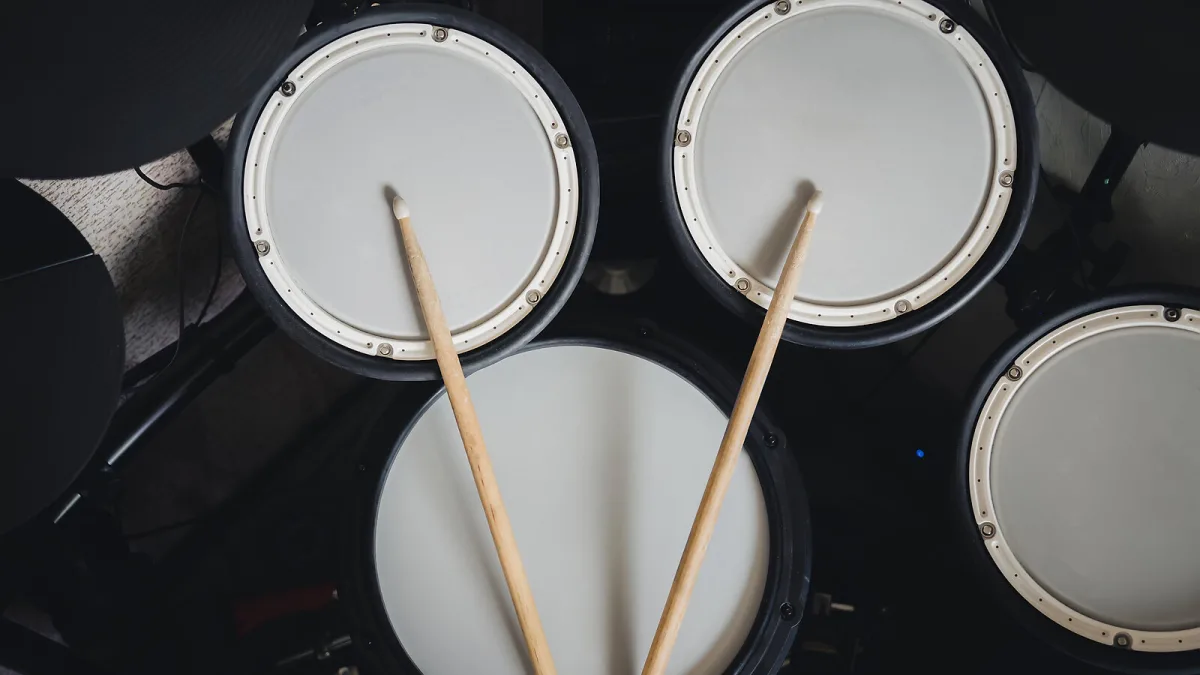
Buying hi-hat cymbals is one of the more nuanced gear decisions a drummer makes. Unlike sticks or heads, they're rarely replaced often — a decent pair can last years — so getting the right match for your playing style and budget matters. This guide covers what to weigh up before spending.
What to Look for First: Your Playing Context
Before looking at specs, be honest about where and how you play. A drummer who plays quietly in a jazz ensemble has very different requirements from one who plays loud, aggressive rock. Genre and volume are the most important filters you can apply before comparing any other variable.
Context also determines whether you can test cymbals in person. Buying new from a specialist retailer and playing a few pairs back to back is the best approach whenever possible. If you're buying online, read reviews from players in your genre rather than relying on blanket recommendations.
Size: Start at 14 Inch Unless You Have a Good Reason Not To
The majority of drummers use 14-inch hi-hats, and for sound reasons: they offer a workable balance of volume, weight and response. Unless you have a specific reason to go smaller (faster jazz feel, lighter rig) or larger (more power in a loud band), 14 inch is the sensible default. Don't second-guess it without a clear musical reason.
Bronze Alloy: The Quality Foundation
The alloy tells you a great deal about the ceiling of what a cymbal can offer. B20 bronze (80% copper, 20% tin) is the professional standard: a richer, more complex sound with genuine harmonic depth. B8 bronze (92% copper, 8% tin) is found in mid-range and student-level cymbals: functional and bright, but less nuanced. Entry-level kits often include brass sheet hi-hats — serviceable for learning, but worth replacing once you're committed to drumming.
At a practical level: if you're serious enough to buy separately, start at B8 as a minimum. B20 pairs are the target for anyone looking for a long-term instrument.
Weight: Thin, Medium or Heavy?
Hi-hat weight describes thickness relative to size. Each weight has a purpose:
- Thin — fast response, lower pitch, sensitive feel; suits jazz and quieter styles.
- Medium — the all-rounder; works across most genres without specialising too far either way.
- Heavy — more volume, cuts harder through loud mixes; favoured in rock and metal.
Manufacturers sometimes pair a lighter top with a heavier bottom to get a sound between two weights — this is common practice and often works better than matching weights.
Finish: Brilliant vs Natural
The surface treatment affects both appearance and sound. A brilliant finish (polished to a mirror shine) produces a bright, cutting sound. A natural finish (lathed surface with visible grooves) tends to be drier and darker. Hand-hammered or machine-hammered surfaces add surface irregularity, which increases complexity and helps the sound integrate in a mix. For recording or jazz, a darker, drier pair often works better; for live projection, a brighter finish cuts more clearly.
Key Brand Lines Worth Considering
Rather than brand names alone, look at specific lines:
- Zildjian A Series — industry-standard B20 pair; suits rock, pop and session work. The A Custom adds a brilliant finish for more brightness.
- Zildjian K Series — darker, more complex; preferred in jazz and recording contexts.
- Sabian AAX and HHX — clean, modern sound; the HHX is hammered and more refined.
- Meinl Byzance — hand-hammered Turkish-style; excellent B20 at strong value for the quality.
- Paiste 2002 — bright, precise and powerful; a long-running professional choice for live work.
For a look at specific price tiers and what delivers the most for the money, see the best hi-hat cymbals for the money.
Budget: What You Get at Each Level
| Budget range | What to expect |
|---|---|
| Under £100 | Brass or basic B8 pairs; fine for beginners, not ideal for long-term use |
| £100–£250 | Decent B8 bronze pairs; practical and reliable; mid-range entry point |
| £250–£450 | B20 bronze entry; Zildjian A, Sabian AAX, Meinl Classics Custom |
| £450+ | Professional B20; Zildjian K, Meinl Byzance, Sabian HHX, Paiste 2002 |
The Verdict
When buying hi-hat cymbals, resist the urge to buy the cheapest option available if you're past the absolute beginner stage. A mid-range B20 pair will outlast and outplay a cheap brass pair by enough of a margin to make the extra cost worthwhile. Set your budget, narrow by genre and volume, test in person where possible, and prioritise the alloy. For a full technical explanation of how hi-hats work before you shop, the complete overview covers all the fundamentals.




Comments