


Hand Drum article
Hand Drum for Beginners: A Complete Guide
Picking up a hand drum for the first time is genuinely forgiving. Here's a calm, practical start.

Picking up a hand drum for the first time is genuinely one of the more forgiving ways to start making music. There's no reed to learn, no strings to tune before you can play a note, and the barrier between "I want to make this sound" and actually making it is about as short as it gets. Here's a calm, practical start.
Choosing Your First Hand Drum
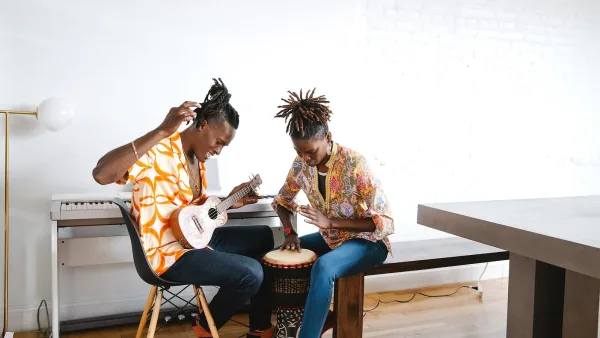
Pick based on the music you actually want to play, not on what looks most impressive. A djembe is a genuinely sensible first choice for a lot of newcomers — it's versatile, widely taught, and produces a satisfying range of tones without demanding much in the way of specialist technique straight away. If you already know you're drawn to Afro-Cuban rhythms, a conga is just as reasonable a starting point. Whichever you choose, a synthetic head and mechanical or simple tuning will be easier to live with while you're still learning than a natural skin that needs careful attention from day one.
Setting Up to Play
- Find a stable position — most hand drums are played seated, gripped between the knees or resting on a stand.
- Check the tuning is roughly even; an unevenly tuned head will feel and sound inconsistent no matter how you strike it.
- Relax your shoulders and keep your wrists loose rather than locked straight.
- Rest your hands lightly on the head before playing anything, just to get a feel for its response.
- Start with simple, slow alternating strokes rather than reaching for speed.
That's genuinely the whole setup. Everything from here is about developing sound, not adding equipment.
Learning the Basic Tones
Most hand drum traditions build from the same handful of sounds, even if the names differ:
- Bass — struck near the centre with a relaxed, full hand for a deep, rounded tone.
- Open tone — struck nearer the edge, letting the head ring out.
- Slap — a brighter, sharper sound made with the fingers and a controlled hand shape.
- Mute — struck while part of the hand stays on the head to dampen the ring.
Practise these separately, slowly, before trying to string them together. It's tempting to chase a rhythm you've heard online straight away, but clean, consistent individual tones will get you there faster than rushing.
Protecting Your Hands
This matters more than most beginners expect. Let the hand rebound naturally off the head rather than forcing the stroke into it — volume should come from efficient technique and the instrument's own resonance, not from hitting harder. Build up playing time gradually; sore hands early on are a sign to stop and rest, not to push through. A short daily session beats one long, punishing one, especially in your first few weeks.
Learning Rhythms the Right Way
It's worth saying plainly: the rhythms associated with hand drums like the djembe or tabla come from specific, living musical traditions, not a generic "world beat" grab-bag. Learning from a qualified teacher, a reputable course, or culturally informed material will get you playing patterns properly and respectfully, rather than picking up habits you'll have to unlearn later. It also tends to be more musically satisfying, because you're learning the actual logic behind a rhythm rather than just copying a pattern by rote.
What "Good Enough" Actually Sounds Like
Early on, it's easy to compare yourself to a recording by someone who's been playing for twenty years and feel discouraged. Don't. In your first few sessions, "good enough" simply means your bass, open and slap tones are starting to sound distinct from each other, and your timing stays roughly steady without speeding up or dragging. Tone quality and consistency come first; speed and complicated patterns come much later, and rushing that order is the single most common reason beginners plateau or get frustrated.
A Simple Daily Routine
You don't need long sessions to make real progress. A short, focused routine beats an occasional marathon: a couple of minutes of loose, relaxed strokes to warm up, a few minutes practising each basic tone on its own, then a few minutes trying to combine two of them slowly and cleanly. Recording yourself occasionally on your phone is genuinely useful here — it's much easier to hear inconsistency in your tone or timing played back than it is in the moment.
Your First Few Weeks
Don't worry if your hands feel clumsy at first, or if your bass, open and slap tones sound suspiciously similar to begin with — that gap closes faster than most beginners expect with regular short practice. Once the basics feel comfortable, our guide to common hand drum mistakes is worth reading so you can skip a few frustrating detours, and our full overview explains how the different families and materials compare if you're curious. Still deciding what to buy? Our buyer's guide covers exactly what to check.



Comments