


Guiro article
Guiro Explained: Features, Types and Tips
The dry, ratchety scrape behind salsa and son, explained: how a guiro is built, the main types you'll find, and where it earns its keep.
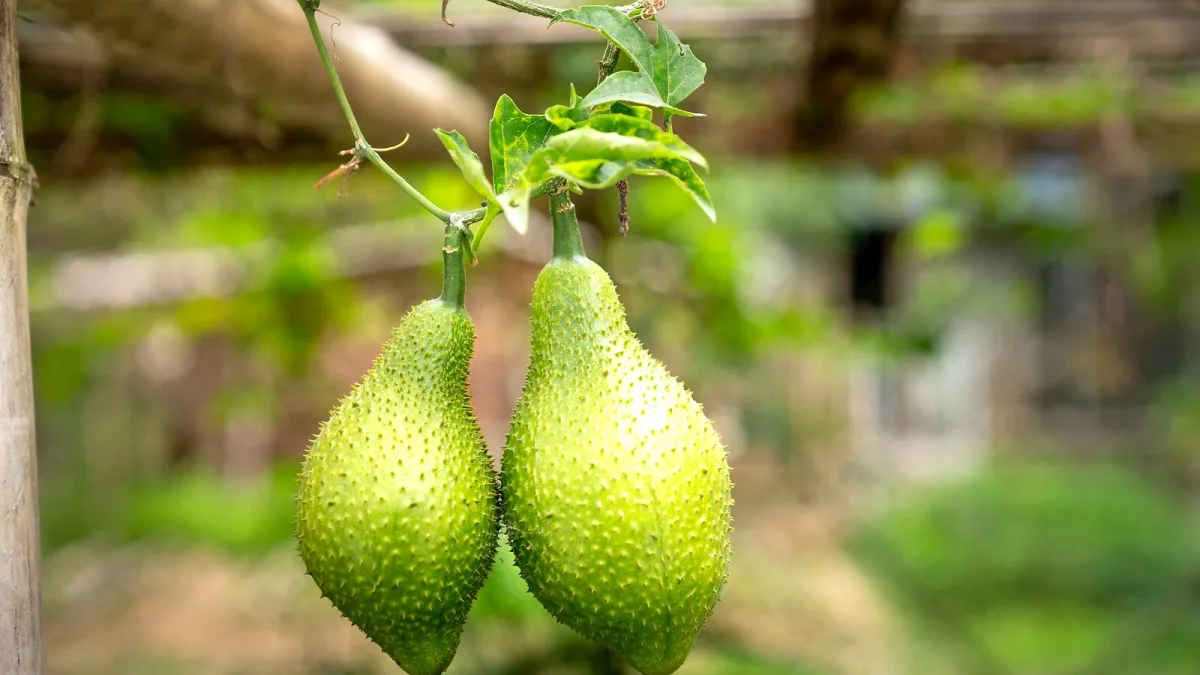
The guiro is one of those instruments everyone has heard and half the room can't name. It is the dry, ratchety scrape underneath a salsa record, the sound a percussionist's stick makes running up and down a ridged shell. Simple to look at, genuinely useful once you understand how it fits into a group, and — good news — cheap enough to try without much risk. This guide covers what it actually is, how it is built, the main types you will come across, and where it earns its keep in Latin music.
What Is a Guiro?
Strip away the Spanish name and a guiro is a scraped idiophone — a term for an instrument that makes its sound from the vibration of its own body, rather than a stretched skin or a string. You run a stick, pick or comb-like scraper across a row of parallel ridges cut into a hollow shell, and the friction produces that unmistakable dry rasp. No tuning, no reeds, nothing to break in — just a shape and a surface.
Traditionally that shell was a dried gourd from the higuero tree, hollowed out and notched by hand, which is one reason every old-school one sounds slightly different from the next. Modern makers have since branched into wood, bamboo, fibreglass, plastic and metal, all chasing a steadier, more repeatable tone.
How a Guiro Is Built
However it is made, it is built around the same handful of parts:
- A hollow resonating body — this is what actually gives the scrape its volume and character.
- Parallel ridges or notches cut into one face, spaced to suit a particular tone and stroke speed.
- A grip point — finger holes, a cut-out handle, or just enough shell to hold comfortably without muffling the cavity.
- A separate scraper, usually wood, plastic or a stiff wire comb, dragged across the ridges to do the actual work.
That is it. There is no amp, no reed and no moving parts to service beyond keeping the scraper and the ridges in decent nick.
The Main Types You Will Come Across
Walk into any decent percussion section and you will find a handful of builds, each with a slightly different character:
| Type | Sound | Best suited to |
|---|---|---|
| Gourd | Organic, variable, slightly softer | Acoustic sets, folk and traditional playing |
| Wooden | Warm, dry | Rehearsal rooms and classroom percussion |
| Plastic | Bright, consistent | Schools, touring, anywhere it needs to survive a gig bag |
| Fibreglass | Strong projection | Stage and ensemble work |
| Metal (guira) | Bright, cutting, louder | Merengue and other loud, amplified settings |
None of these is objectively "better" — a small gourd model that sounds gorgeous in your front room will vanish under a full salsa band, while a bright metal one might feel harsh played solo at home. It is a case of matching the instrument to the room, which we go into properly in our full buyer's guide.
Shaping the Tone
A guiro is more expressive than it looks. The scraper's speed, pressure and stroke length all change the result before you touch anything else:
- More pressure gives a louder, rougher attack; less pressure keeps things soft and controlled.
- A longer stroke sustains the rasp; a short, sharp stroke gives a crisp rhythmic accent.
- Faster movement thickens and brightens the texture; slower movement opens it up into a grainier scrape.
Learning to blend those variables, rather than just scraping harder, is what separates a part that sits in the groove from one that fights it.
Guiro vs Guira — Not Quite the Same Thing
You will see "guiro" and "guira" used almost interchangeably, and while they are close cousins, they are not identical. The guira is the metal-bodied Dominican version, usually played with a stiff wire comb rather than a wooden stick, and it is the backbone of merengue specifically. A gourd, wood or plastic one, by contrast, turns up across son, salsa, bolero and cha-cha-cha. If someone hands you a metal one played with a comb, you are most likely holding a guira.
Where the Guiro Earns Its Keep
This is not a lead instrument — it is a timekeeper. In a salsa or son arrangement, the guiro locks in with the clave, congas, bongos and timbales to define the groove rather than carry a melody. Longer strokes fill out slower passages with a sustained rasp; short, sharp strokes accent the beat in faster sections. A common starting pattern taught to newcomers is "long-short-short", though working players adapt it constantly to fit the tempo and the style — cha-cha-cha tends to sit on the downbeat, while faster son and salsa patterns often lean into the pickup just before it.
Historically, scraped gourd instruments like this are documented as pre-Columbian and are widely associated with Indigenous Caribbean cultures, though — and it is worth being honest about this — no single, definitive origin story is settled beyond dispute. What is clear is that it has stayed a working instrument for centuries, not a museum piece.
Picking Up the Basics
You do not need to overthink your first few sessions with a guiro. Hold the body steadily, keep most of the movement in the scraping hand, and start slow so you can feel how much resistance the ridges give back before you try to play in time. We have written a proper walk-through for exactly this stage in our beginner's guide, and a separate rundown of the mistakes most new players make so you can skip a few of them.
Bottom Line
The guiro is unglamorous, unfussy and genuinely useful — one of the easiest ways to add authentic Latin groove to a percussion section without months of practice. Get comfortable with the construction and types above, then have a look at the best guiros for the money when you are ready to buy one.





Comments