

Dw Drum Kit article
Dw Drum Kit for Beginners: A Complete Guide
DW is not a beginner's first kit in the typical sense, but some players arrive at DW earlier than others. Here is what to know about starting at this level.
A DW drum kit is not a beginner's first instrument in the typical sense — the price point alone makes that clear. But drummers arrive at DW from different directions: some are moving up from a starter kit after years of serious practice; others are returning to drumming as adults with the budget to buy right the first time. Understanding what DW offers at the beginner level, and what it demands, is worth thinking through before spending.
Is DW Right for a Beginner?
If you are learning to play drums for the first time, DW is probably not the right starting point. A proper beginner kit — something like a Pearl Export, Tama Imperialstar, or Ludwig Accent — costs between £300 and £600 and is purpose-built for learning the basics without breaking when dropped, stored badly, or subjected to beginner-level playing force. Starting on DW costs significantly more and exposes a premium instrument to the kind of treatment that beginners subject their gear to. The right time to move to DW is when you have outgrown a starter kit and know what you want from a professional instrument.
The Exception: the DW Design Series
The Design Series is DW's entry-level line, and it does bring the price down into a range that an intermediate player could justify. It uses birch shells rather than maple, but the hardware is genuine DW quality, and the build is meaningfully better than a typical starter kit. If you have been playing for two or three years on a beginner kit, understand how to tune drums, and are ready to move up, the Design Series is a reasonable step up without spending full Performance Series money. Treat it as a second kit rather than a first.
Setting Up for the First Time
A DW shell pack comes unassembled. Setting up the kit requires fitting the toms to their mounts, fitting the bass drum legs and head, threading tension rods into the lugs, and mounting hardware. Nothing about this is technically difficult, but it takes time and requires a systematic approach to get the kit level, stable, and in a sensible playing position. Work through one piece at a time. The bass drum goes down first, then the snare stand, then toms. Get the basic geometry right before starting to tune.
Tuning a DW Kit
A DW drum kit uses True Pitch tension rods, which make tuning more precise and consistent than on most other drums. The principle is straightforward: each tension rod should be tightened to the same tension across the drum head. Work in a star pattern across the head — opposite lugs rather than going around the circle — to keep the head even as you tighten. Strike the head near each lug and listen; when all the pitches around the head match, you have an even tension. Tighten the batter (top) head and resonant (bottom) head to different tensions to shape the drum's sustain and resonance.
What Comes Separately
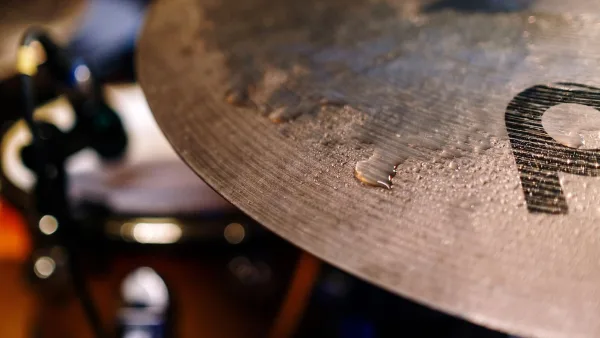
A shell pack does not include cymbals, and the hardware pack may or may not be included. Budget separately for: a bass drum pedal, hi-hat stand, snare stand, at least two cymbal stands, a throne, and cymbals. A basic set of cymbals suitable for a new DW owner — hi-hats, a ride, and one or two crashes — adds substantially to the total. Quality cymbals at this level run from £400 to £1,000 or beyond depending on brand and selection.
For a complete overview of the brand and its range, the complete guide covers the history and product lines. For buying advice before committing, the buyer's guide covers new versus used and what to check. For specific model recommendations, the best DW kits guide has the breakdown. Common mistakes new owners make are in mistakes to avoid.
Invest in Lessons
The best use of the money saved by not buying DW immediately is lessons with a good teacher. Technique — grip, stroke mechanics, coordination — developed correctly at the start avoids ingrained bad habits that hold players back for years. A DW drum kit rewards good technique; it does not create it. Get the technique sorted first, upgrade the kit when you have outgrown what you are playing on.




Comments