


Drum Cases article
Drum Cases Explained: Features, Types and Tips
Drum cases range from lightweight padded bags to heavy-duty ATA flight cases. This guide explains the types, what each offers, and how to match the right case to your situation.
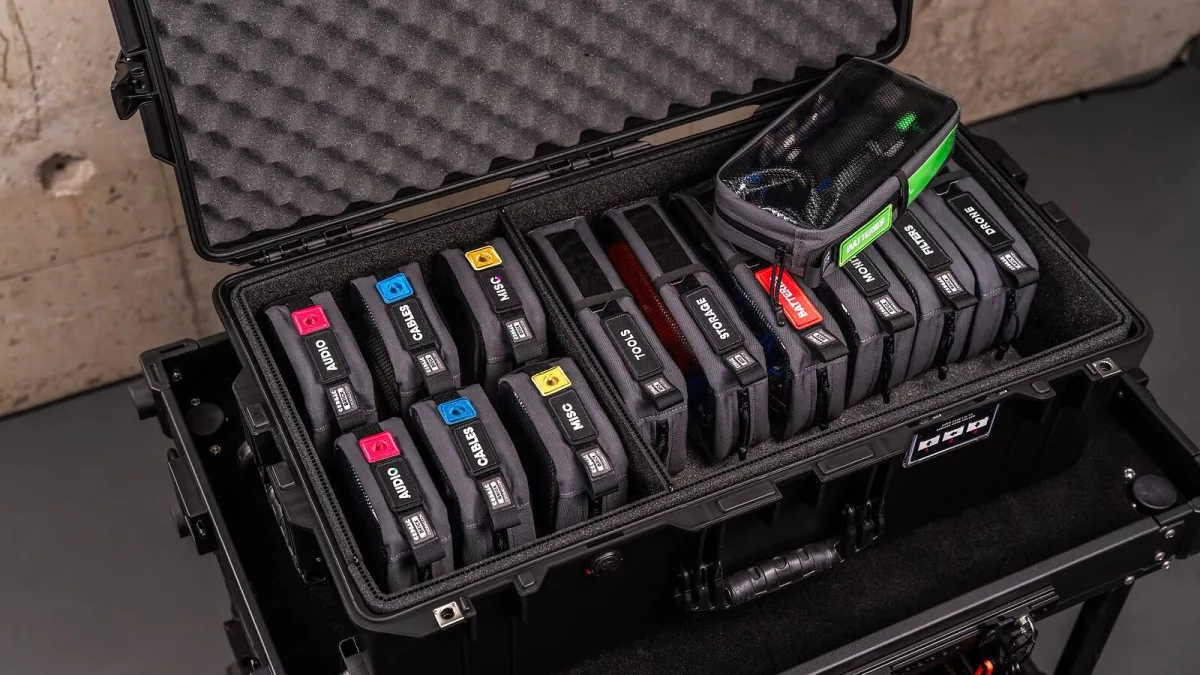
Getting your kit from one place to another without it arriving dented, cracked, or with a shell full of hardware scraps is the basic job of a drum case — and doing it well requires more thought than simply buying whatever fits. The type of protection you need depends entirely on how far you're travelling, how your gear is being handled, and what you're protecting. Here's how to understand the options.
What Drum Cases Actually Do
A drum case protects shells, hardware, and cymbals from the things that reliably destroy them: physical impact, moisture, and the pressure of being stacked or crushed in a van. The level of protection varies enormously between case types — a padded gig bag and a flight case are both "drum cases" in name, but they offer very different things. Matching the protection to the actual risk is what makes the difference.
Types of Drum Case
Gig Bags
Soft-sided bags made from nylon or padded fabric. Lightweight, easy to carry, and much cheaper than hard cases. They protect against scratches and minor knocks, which is often all you need for short van journeys to local gigs. They're not designed for rough handling, stacking under other gear, or any scenario where the drums might be dropped. The Ahead Armor and Protection Racket ranges are well-regarded in this category.
Hard Cases
Rigid shells, typically made from moulded ABS plastic or wood, lined with foam. These offer significantly better protection than bags — they hold their shape under load, resist impact, and keep moisture out. They're heavier and bulkier, and moving a full drum kit in hard cases requires good organisation. For regular gigging where gear is loaded and unloaded frequently, hard cases are the sensible middle ground.
Flight Cases (ATA Cases)
Heavy-duty cases built to ATA 300 Category 1 specification — the standard required by airlines for checked luggage that will be handled by automated systems. Made from aluminium or fibreboard with reinforced corners, butterfly latches, and foam interior, these are what you need if your kit is flying in the hold. Brands like SKB and Humes & Berg make respected options. Flight cases are heavy, expensive, and more than most drummers need for local transport — but irreplaceable when touring by air.
Cymbal Cases
Cymbals have their own dedicated case types — flat padded bags, zip-around pouches, or rigid cases with dividers. Most drummers transport cymbals separately from shells. A padded cymbal bag (Protection Racket, Mono, Gator) protects against the edge chips and surface scratches that occur when cymbals are stacked loose in a bag or bag compartment.
Hardware Cases
Hardware — stands, pedals, cables — needs its own case. A hardware bag or case keeps heavy metal components from rattling against shells and damaging them in transit. Typically made from nylon with a cylindrical or rectangular form, often with wheels for easier movement.
What to Look for in a Case
The interior foam matters as much as the shell. Pick-and-pluck foam (which you remove in sections to create a custom-fit cavity) is common in harder cases and offers better protection than loose egg-crate foam. Interior dimensions must match the drum — a case that's too large lets the shell move around; one that's too small won't close properly. Latches should be secure without being fiddly; hinges should be reinforced; handles should be stitched or bolted, not glued.
For larger cases, wheels or casters make a significant practical difference. A bass drum case with good wheels is manageable solo; one without can be a two-person job.
Matching Protection to Context
For a drummer who rehearses locally and drives their own van, well-padded gig bags provide adequate protection and save a lot of weight. For a working gigging musician loading and unloading gear regularly, hard cases are worth the investment. For anyone flying with their kit, ATA flight cases are not optional — airlines handle hold luggage roughly, and a cracked shell discovered at the destination is expensive and time-consuming to resolve.
Where to Go Next
For a detailed purchasing walkthrough, the complete drum cases buyer's guide covers every decision. If you're just starting out, the beginner's guide keeps things practical. And for what to avoid, common mistakes is worth a read.






Comments