


Double Bass Pedal article
Double Bass Pedal for Beginners: A Complete Guide
Learning to use a two-footboard bass drum mechanism is a process that rewards patience. This guide covers setup, early technique and the exercises that build consistent results.
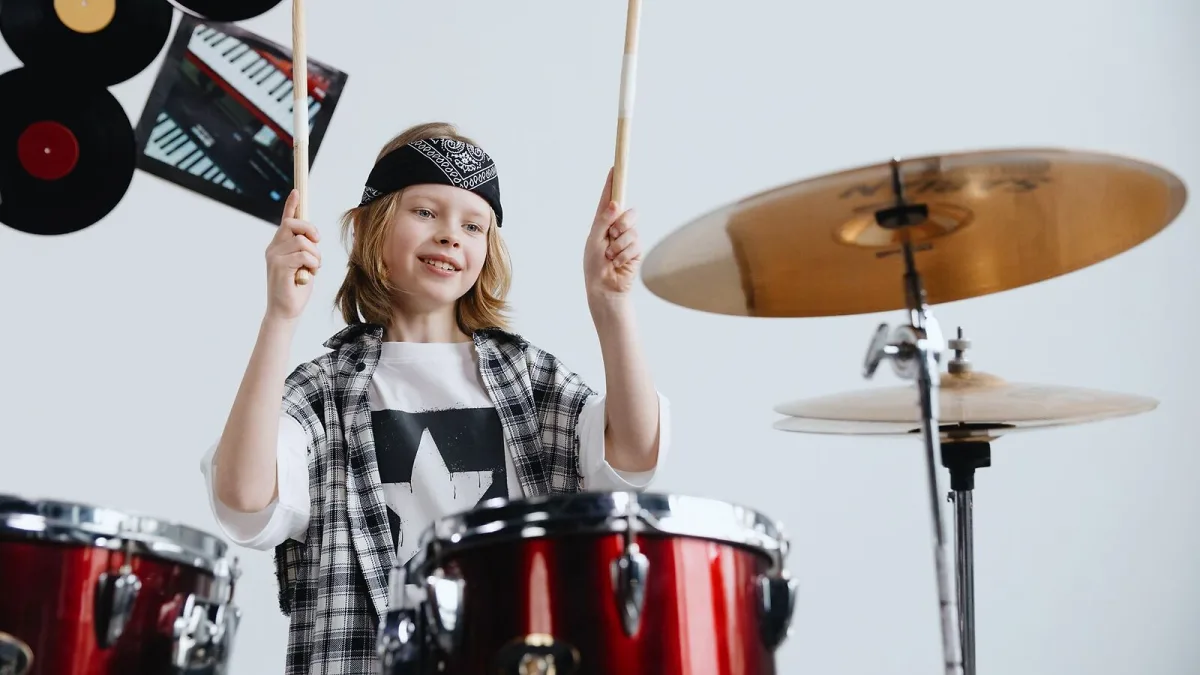
A double bass pedal adds a second beater to the bass drum, operated by the left foot, which typically controls the hi-hat pedal. Starting with one changes how you divide your feet's work and requires adjustments to existing technique. This guide covers setup, how to approach the first practice sessions and what to realistically expect from the early stages.
Setting Up the Pedal
Begin by mounting the primary footboard to the bass drum hoop as you would a single pedal — the clamp attaches to the hoop rim. Then position the slave footboard to the left and connect the drive shaft or cable. The slave should sit at a comfortable angle relative to your left foot, approximately where the hi-hat pedal would normally be. If you play with a hi-hat, you will need to adjust its position further to the left to accommodate both pedals. Spend time on this positioning before playing — discomfort or cramped positioning now will create problems later.
Start with the Right Foot Alone
Before using both feet, establish consistency with the primary pedal. This sounds obvious but is genuinely important: any unevenness in your right foot technique will be amplified when you add the left. Practice single strokes at slow tempos (60–80 BPM) until each stroke is even in volume and timing. A metronome is essential here — the ear alone is not a reliable guide to consistency at the early stage.
Introducing the Left Foot
Begin with simple alternating patterns: right-left-right-left at a slow tempo. The double bass pedal demands that the left foot produce strokes of matched volume and timing to the right, which is unnatural at first for most players. Start with the beater resting lightly on the head and focus on producing clean, even strokes. Avoid the temptation to increase tempo before the alternating pattern feels controlled. Two weeks of slow, deliberate practice at this stage will give better long-term results than rushing to speed.
Common Starting Exercises
Three exercises that build the fundamental patterns: (1) alternating single strokes (R-L-R-L), practised at 60, 70 and 80 BPM until clean; (2) double strokes (R-R-L-L), which develop the ankle technique needed for fast passages; (3) foot ostinato — maintaining a steady sixteenth-note bass drum pattern while playing a groove with the hands. The third exercise is the most immediately applicable to playing in context and reveals quickly where the left foot is losing consistency under the demands of hand coordination.
Managing Fatigue
The left foot and ankle will fatigue quickly in early sessions because the muscles are being used in a demanding way for the first time. Keep early sessions short — 15 to 20 minutes of focused practice is enough for the first few weeks. Practising through significant fatigue builds bad habits rather than useful technique. As conditioning develops over several months, session length can increase. The mistakes guide covers the errors that slow progress at this stage.




Comments