


Congas Drums article
Everything You Need to Know About Congas Drums
Congas drums have a specific origin, a precise construction and a technique that takes real time to develop. Here's everything you need to know about the instrument.
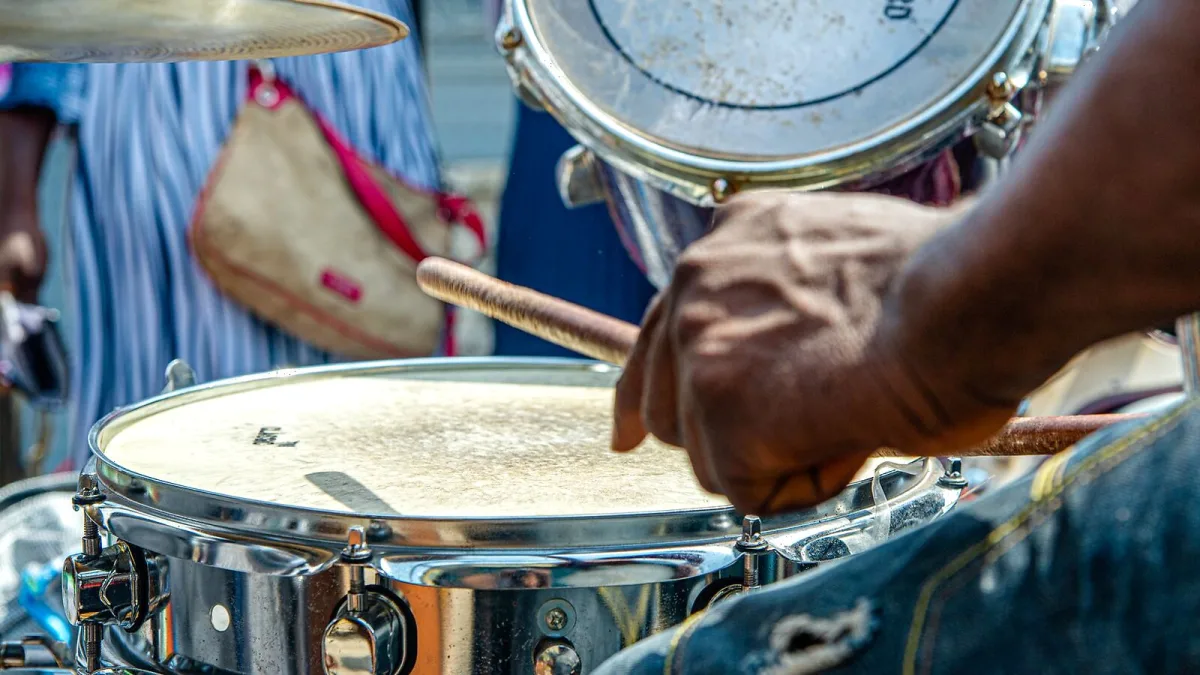
Congas drums are among the most widely played hand percussion instruments in the world — present in Latin music, jazz, funk, pop and countless hybrid forms. They have a specific origin, a precise construction and a technique that takes considerable time to develop properly. This guide covers the essentials: what they are, where they came from, how they work and what you need to know before you start playing or buying.
What Are Congas Drums?
Congas are tall, single-headed drums with a barrel-like wooden or fibreglass shell. They are played with the hands and fingers, producing a range of tones depending on where and how the head is struck. A standard set consists of three sizes: the quinto (smallest, highest pitch), the conga (middle), and the tumba (largest, lowest pitch). Many players use just two — a conga and a tumba — as their primary setup, while solo and ensemble percussionists often work across three or more drums. Each size produces a distinct pitch range, so a full three-drum set gives the player a wide melodic and textural palette to work with.
Origins and History
The instrument has its roots in Central Africa and was brought to Cuba through the Atlantic slave trade. It developed within Afro-Cuban religious and secular traditions before becoming central to Cuban popular music forms including son, rumba and mambo. By the mid-twentieth century, congas drums had crossed into North American jazz and popular music, carried in part by the Cuban music boom of the 1940s and 1950s. Mongo Santamaría and Cándido Camero are among the players who helped establish the instrument in mainstream jazz contexts. From there it moved into rock, funk and studio recording — today it is a regular presence across commercial sessions, live performance and teaching contexts worldwide.
Construction
The shell is traditionally made from hardwoods — oak, mahogany, ash and sycamore are common choices — though fibreglass and stave-constructed shells are also widely used. The head is made from animal skin (typically cow or buffalo hide on traditional instruments) or synthetic materials on modern versions. The head is tensioned using metal hardware around the rim, with tuning lugs that allow the pitch to be adjusted within a range. Head tension determines the pitch and tone character of the drum, and the relationship between head tension and shell resonance gives each individual instrument its particular voice. Higher tension produces brighter, more articulate tones; lower tension produces a warmer, more resonant sound.
Technique Basics
Playing congas drums involves four primary tones: the open tone (a resonant, full-bodied strike near the edge of the head), the muted tone (similar position but the palm rests on the head to stop resonance), the slap (a sharp, high-pitched strike achieved with curved fingers), and the bass tone (a low, full sound produced by the whole hand striking the centre). Developing these four basic sounds and combining them fluidly is the foundation of conga technique. This takes real time — the slap in particular requires a precise hand shape that most beginners take weeks to develop. Afro-Cuban rhythms such as tumbao and rumba clave are the traditional starting point for building facility and independence on the instrument.
Musical Contexts
Congas are versatile enough to appear in an enormous range of musical settings. In their traditional Latin context, they provide the polyrhythmic foundation for salsa, cumbia, merengue and related forms. In jazz, they add textural complexity alongside the drum kit. In pop and funk recording, they are often used to add warmth and rhythmic detail to groove-based music. Their ability to produce a wide dynamic range — from delicate finger work to loud, percussive accents — makes them useful in both acoustic ensemble and amplified stage settings. The instrument is also widely used in educational contexts: its physical responsiveness and accessibility as a hand instrument make it a useful teaching tool for rhythm and coordination development.
Choosing Your First Set
For a first purchase, a two-drum set (conga and tumba) in a mid-range price bracket gives you enough to learn without overcommitting. Entry-level sets use synthetic heads and less refined hardware; mid-range instruments are better constructed and respond more predictably to technique development. For those buying used, checking head condition and the integrity of the tuning hardware is essential — damaged hardware is expensive to replace. The buyer's guide covers specific product recommendations in full, and the beginner's guide addresses what to expect from the first weeks of practice.




Comments