


Bodhran roundup
Bodhran: A Complete Buyer's Guide
A practical guide to buying a bodhran: understand budget ranges, compare goatskin vs synthetic heads, consider tuning systems and frame sizes, and find value at every price point.
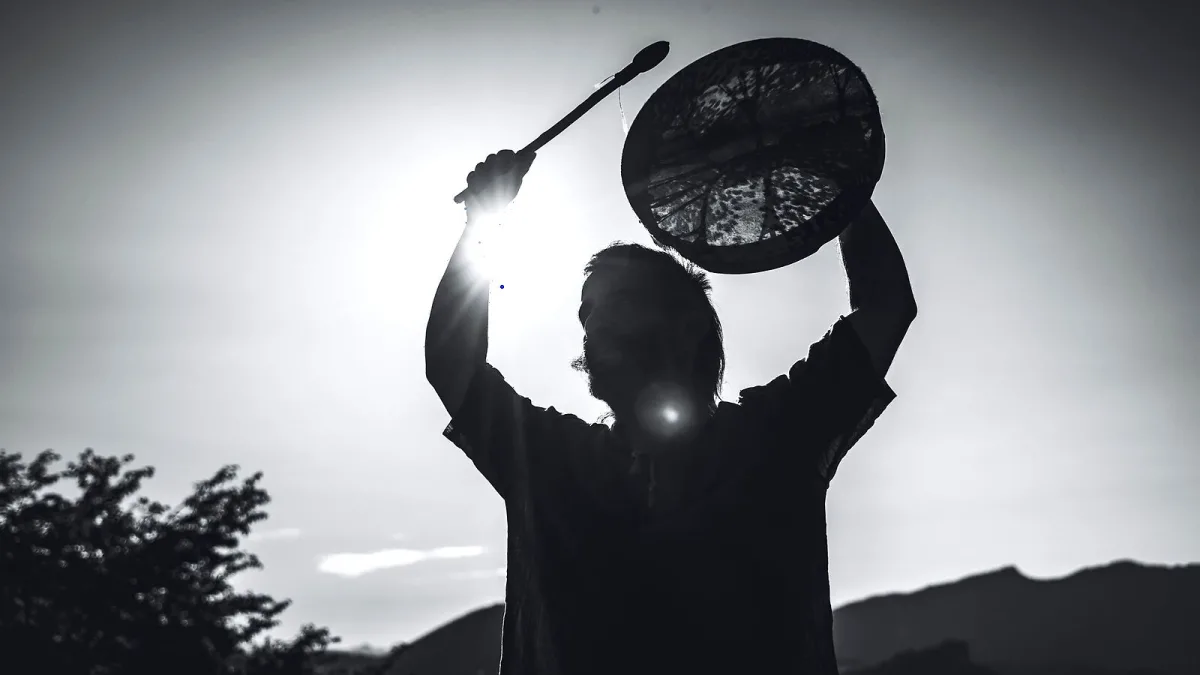
Buying your first bodhran is straightforward if you know what to listen for and what trade-offs to expect at different price points. You don't need to spend a fortune to get something that plays well, but understanding what you're paying for helps. This guide takes you through the practical considerations: what affects playability, what to test before committing, and where to find value.
Budget Ranges and What You Get
Entry-level bodhrans (£30–70) are genuine instruments with synthetic heads and basic tuning. They're lightweight, easy to handle and forgiving for learning fundamentals. The frame is usually decent wood; the head responds predictably. You won't get the tonal depth or hand-feel refinement of a premium drum, but you absolutely can learn on one and enjoy playing traditional sessions.
Mid-range bodhrans (£70–150) step up noticeably. The frame wood is often selected for tone, the head is usually higher-quality goatskin or engineered synthetic, and tuning systems are more precise. Hand response improves: the skin feels more alive under your fingertips, and you get better control over pitch bend and dampening. Most serious players settle here—it's the sweet spot for mixing playability with reasonable cost.
Premium bodhrans (£150–400+) are handcrafted by specialist makers. The frame might be chosen from premium wood species; the head is often goatskin from a specific supplier; construction tolerances are tighter. You're paying for consistency, tonal refinement, and craftsmanship. If you play regularly in sessions or performance, the investment pays dividends in how the drum responds and projects.
Head Material: The Single Biggest Factor
Goatskin heads deliver the traditional sound—warm, organic, slightly unpredictable in how they respond to humidity and temperature. They mature with age, developing character. The downside: they're temperature-sensitive, they require care, and they can crack if mistreated. If you play primarily indoors in stable conditions and enjoy maintenance, goatskin rewards you with superior tone.
Synthetic heads (Kevlar, polyester, or similar) are the practical choice. They sound bright and articulate, they're consistent regardless of weather, and they shrug off bumps and heavy playing. The trade-off is a slightly less "warm" or "woody" tone compared to goatskin. For gigging, outdoor festivals, or if you travel with your drum, synthetic is the smart choice. Modern synthetic heads sound excellent—it's not a second-class option.
Frame Considerations
The wood species matters subtly. Ash is common and versatile, offering balanced tone. Oak is heavier and warmer. Beech is lighter and brighter. At entry level, the difference is small; at mid-range and above, you'll notice the tonal character. Listen to recordings or demos and pick what appeals to you rather than obsessing over the material name.
Depth affects how the drum feels and sounds. Shallow bodhrans (2–3 inches) are faster and brighter, easier to carry, quicker to set up. Deeper frames (4–5 inches) offer richer resonance and project further in a group session. For a first drum, shallow to mid-depth (3–4 inches) suits most players.
Tuning System: Fixed vs Adjustable
Fixed-pitch bodhrans have no tuning mechanism; the head is glued or simply stretched tight. They're lighter, simpler, cheaper, and sound authentic. The catch: you're locked into one pitch, and if the head loosens over time, you can't adjust it easily.
Single tuning bar (one or two simple bars on the back) lets you gradually tighten or loosen the head. It's straightforward: rotate the bars to change pitch. Response is slower than a geared system, but for traditional players, it's fine.
Geared tuning systems use machine screws or levers to adjust pitch quickly and precisely. They're louder to turn and cost more, but they let you switch key during a session and maintain consistency. If you play in multiple keys or perform on stage, a geared system is worth the investment.
Size and Portability
Sixteen to eighteen inches is compact and light—ideal if you walk to sessions, play frequently, or prefer a faster response. Twenty to twenty-four inches is the most common size; it balances projection, playability and portability. Twenty-eight inches is a statement drum: it projects significantly, but it's unwieldy to carry and feels different under your hands.
Pick a size that fits your hand span comfortably and that you can reasonably transport. If you're borrowing someone else's drum to try before you buy, note its diameter—it might influence what you ultimately choose.
Playing Feel and Response
The best way to decide is to play one. If you're buying online, ask if the seller or maker will send a video demo or answer specific questions about response. If you're in a shop or at a maker's workshop, spend time with the drum: strike it at different points, test the hand dampening response, see how the pitch shifts under pressure.
Good playability means the head responds quickly to the tipper, hand dampening is smooth and intuitive, and the pitch bends cleanly. Poor playability might mean the head feels sluggish, dampening is unpredictable, or tuning is inconsistent across the head. A well-made drum at any price point should feel pleasant to play.
Where to Buy
Specialist percussion shops or bodhran makers are your best bet. They can often provide guidance, let you try drums, and stand behind their stock. Online retailers like Thomann and Amazon stock entry to mid-range bodhrans. If you're after a custom or premium drum, research individual makers—Bodhrán makers in Ireland, Wales and the UK often have websites and can make to order.
Avoid buying blind unless you're confident about the maker's reputation. A bodhran is a physical instrument; how it feels and sounds matters. If possible, play one first or buy from a seller with a good return policy.
Hidden Costs and Aftercare
Budget for a beater (tipper) if one isn't included—£5–20 depending on quality. Some players prefer heavier or lighter tippers, so you might end up buying a couple. A basic drum stand or holder costs £15–30 if you want to display or quickly access your drum.
Goatskin heads occasionally need replacement (£20–50 depending on quality). Synthetic heads last longer but do eventually wear. Tuning adjustments are free if you do them yourself; a maker can do it for a fee if you prefer.
Bottom Line
For your first bodhran, pick a size that feels comfortable, decide between goatskin (warmer, higher maintenance) and synthetic (practical, consistent), and set a budget you're happy with. A mid-range synthetic-head bodhran from a reputable maker will serve you well whether you're learning in your living room or playing in sessions. You don't need to spend a fortune to get something genuinely playable and enjoyable.





Comments